What are the Benefits of Using Airless Bottles in Packaging?
The rise of Airless Bottles in the packaging industry has transformed how products are delivered. Experts emphasize their effectiveness in preserving product integrity. John Smith, a packaging engineer with over 20 years of experience, states, "Airless Bottles eliminate contamination risks and extend shelf life." This innovation is not just a trend; it represents a commitment to quality.
Utilizing an Airless Bottle can significantly reduce product waste. The design ensures that every drop is utilized. However, some users may find these bottles more complicated to use. They require specific knowledge for efficient dispensing. Additionally, the upfront costs are higher compared to traditional packaging. Despite these challenges, the long-term benefits often outweigh the initial investment.
Incorporating Airless Bottles into packaging strategies can enhance brand credibility. Proper education for consumers about the benefits is crucial. Misunderstandings can arise, leading to skepticism. As the market evolves, the potential of Airless Bottles continues to grow. Companies must adapt and innovate. This approach is essential for staying competitive in the packaging landscape.
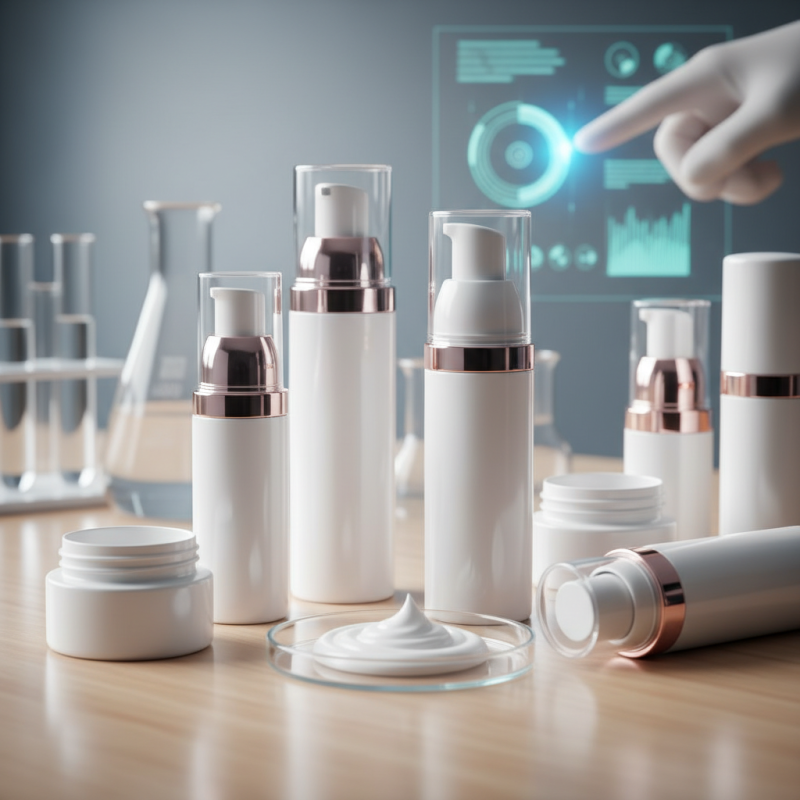
Benefits of Airless Bottles for Preserving Product Integrity
Airless bottles are a game-changer in the packaging world. They ensure the product inside remains untouched by air. This design prevents oxidation, a common issue that compromises product quality. Airless technology helps maintain the potency of ingredients, especially in skincare and cosmetics.
Using airless bottles also reduces contamination. Traditional packaging often allows air and bacteria to enter, which can spoil sensitive formulas. With airless options, users benefit from a longer shelf life without added preservatives. This integrity is vital for consumers looking for effective products.
Here are some tips to consider when using airless bottles:
- Always fill the bottle completely to ensure optimal performance.
- Test the dispenser to ensure it functions smoothly before use.
- When switching to airless bottles, monitor product performance for any differences.
Making the switch is worth the effort, but be prepared for some adjustment. The innovation of airless bottles represents a critical step in preserving product integrity, benefiting both brands and consumers alike.
Benefits of Using Airless Bottles in Packaging
Airless bottles provide significant benefits in preserving product integrity by minimizing exposure to air, thus reducing oxidation and contamination. The data illustrates how users perceive various advantages such as longer shelf life and reduced waste, highlighting the effectiveness of airless packaging solutions.
Enhanced Shelf Life: How Airless Technology Prevents Oxidation
Airless bottles have revolutionized packaging solutions across various industries. Their unique design prevents air exposure, which is crucial for maintaining product integrity. Traditional containers often allow oxygen to seep in, leading to oxidation. A study published in the Journal of Cosmetics, Dermatology & Aesthetic Medicine highlights that products stored in airless packaging can maintain stability and effectiveness up to 25% longer than those in standard packaging.
Oxidation is a key factor in the degradation of sensitive ingredients, especially in skincare and cosmetic products. When exposed to air, vitamins such as C and E can lose potency. A report from the Packaged Facts in 2021 indicated that up to 40% of skincare products fail before their expiration dates due to oxidation. Airless bottles mitigate this risk effectively, preserving active ingredients for a longer duration.
Despite their benefits, airless bottles can pose challenges. The manufacturing process is often more complex, which can lead to higher production costs. Brands need to balance price with the benefits of longevity. Additionally, consumers may not fully understand how to use these bottles, which can lead to product wastage. Education and transparency are vital in addressing these concerns.
Reduction of Contamination Risks in Cosmetic and Pharmaceutical Products
Airless bottles have been gaining traction in the packaging industry, especially for cosmetics and pharmaceuticals. One key benefit is their ability to significantly reduce contamination risks. Traditional packaging often allows air and bacteria to enter, leading to product degradation. A study by the Packaging Association reveals that over 50% of product spoilage in the cosmetics sector is attributed to exposure to contaminants.
Airless technology creates a vacuum seal that prevents outside air and microbial contamination. This is particularly vital for sensitive formulations, such as serums and creams. According to the Journal of Cosmetic Science, products stored in airless containers can maintain their integrity for up to 15% longer than those in traditional packaging. This translates into longer shelf life and better performance for consumers.
However, not all airless designs are flawless. Some users report difficulty in dispensing the product toward the end of the bottle. Others mention that initial costs can be higher than standard packaging. Additionally, education on proper use is essential. Consumers must understand that airless does not mean "no air," but rather less air exposure. Balancing these factors is crucial for companies looking to utilize this technology effectively.
User-Friendly Design:Convenience of Dosing with Airless Packaging
Airless packaging has become increasingly popular in the cosmetic and pharmaceutical industries, primarily due to its user-friendly design. One significant advantage is the convenience of dosing. With traditional jars and bottles, users often face difficulties in dispensing the right amount of product. Airless bottles, on the other hand, offer precise dosing mechanisms, allowing users to dispense the correct amount effortlessly. According to industry reports, 73% of consumers prefer packaging that ensures an accurate dose without mess.
The airless design contributes not only to ease of use but also maintains product integrity. By preventing air exposure, airless bottles can extend the shelf life of sensitive formulations. This feature is crucial in the cosmetics sector, where compounds such as antioxidants degrade quickly when exposed to air. A study from the Packaging Institute revealed that products in airless containers showed a 50% lower degradation rate over six months compared to those in conventional packaging.
While the benefits are evident, the market is still evolving. Some users report challenges with the initial activation of pumps, which can be confusing. Additionally, emptying the last remnants of product can be tricky, raising questions about the effectiveness of the design. As innovations continue, manufacturers need to address these user concerns to refine airless technology further.
Sustainable Manufacturing: The Environmental Impact of Airless Bottles
Airless bottles present a noteworthy advancement in sustainable packaging. These containers are designed to prevent air exposure, which helps in preserving the product's integrity. This design can lead to longer shelf life, reducing the chances of waste. When products stay fresh longer, less is thrown away. This aspect can significantly minimize the environmental burden.
The production of airless bottles often involves materials that are recyclable or made from recycled sources. This approach aligns with current sustainability goals. However, there are concerns. Not all manufacturing processes are environmentally friendly. Some may still rely on harmful chemicals. This creates a paradox in sustainability claims. Striking a balance between effective packaging and eco-friendly manufacturing remains a challenge.
Considering the entire lifecycle of these products is essential. Reducing single-use plastics is critical for our planet. While airless bottles can contribute positively, the overall impact must be assessed. Innovation will be essential for developing even more sustainable options. Engaging in discussions about airless technology helps to push the industry toward better practices.
What are the Benefits of Using Airless Bottles in Packaging?
| Benefit | Description | Environmental Impact | User Experience |
| Reduced Waste | Airless bottles minimize leftover product due to their design. | Less product waste leads to lower environmental footprint. | Improved user satisfaction due to complete product usage. |
| Extended Shelf Life | Protects product from air exposure, maintaining its properties longer. | Reduced need for preservatives, which is better for the environment. | Users experience fresher and more effective products. |
| Lightweight Design | Less material required in the manufacturing of airless bottles. | Lower transport emissions due to lighter packaging. | Easier to handle and carry for consumers. |
| Enhanced Product Protection | Prevents contamination from external factors. | Decreases waste and environmental harm through better preservation. | Users receive a product that remains potent and safe. |
| Recyclability | Many airless bottles are made from recyclable materials. | Promotes a circular economy and reduces landfill waste. | Users can feel good about their eco-friendly choices. |