Best Transfer Tape Options for Your Projects Are You Choosing Right
When embarking on your next crafting or DIY endeavor, selecting the right Transfer tape is crucial. Transfer tape is essential for applying vinyl and other materials smoothly. The variety of options available can be overwhelming. How do you choose the right one for your project?
Each type of transfer tape offers distinct advantages. Some provide a strong grip for larger projects, while others offer delicate adhesion for intricate designs. Understanding your project's requirements is vital. A mismatched tape can lead to frustrating outcomes, such as peeling or tearing your materials.
In this guide, we will explore the best transfer tape options available. We aim to equip you with insights for making informed choices. While each option has its strengths, personal preference and project needs play a significant role. Reflecting on past experiences can enhance your understanding. Choosing transfer tape doesn’t have to be daunting, but it does require thought and consideration.
Understanding Transfer Tape: Types and Uses
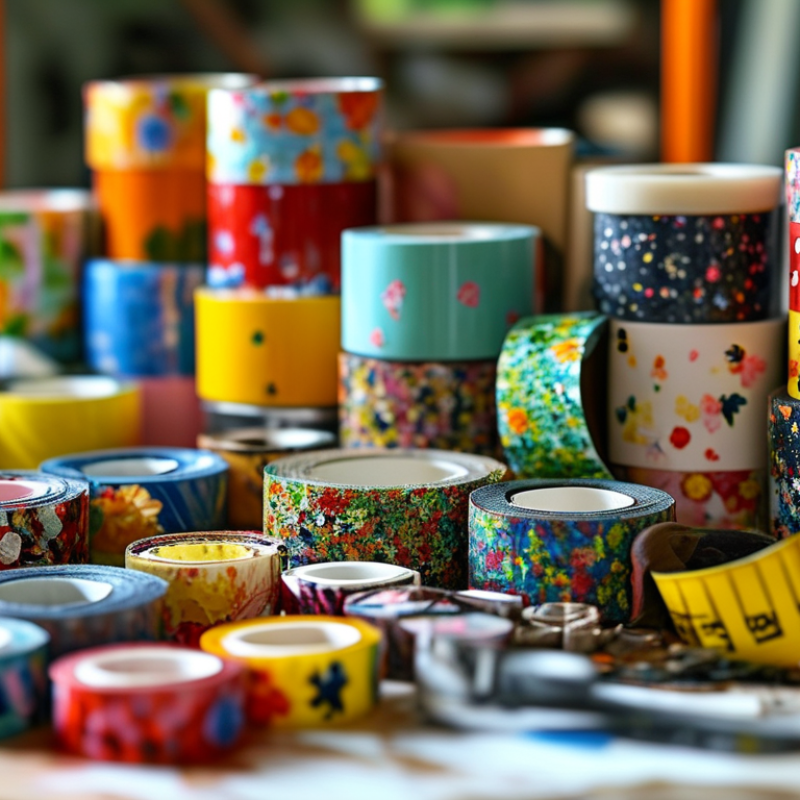
Transfer tape plays a crucial role in crafting and DIY projects. It acts as a bridge, helping you move designs from one surface to another smoothly. Understanding the different types of transfer tape is essential. There are clear tapes for delicate materials, paper-based options for rougher surfaces, and specialty tapes for intricate designs.
Choosing the right tape can be tricky. Clear transfer tape allows for precise placement, making it great for small projects. On the other hand, paper transfer tape is often more forgiving, especially with larger applications. It can be less sticky, which might lead to misalignment during transfers. Some users find themselves battling bubbles and wrinkles, which can frustrate the process. A softer adhesive might work better for certain materials, like fabric or textured surfaces.
Adhesive strength is another aspect to consider. Some tapes release easily, while others may leave residue behind. Experimentation is key. A wrong choice can lead to wasted materials and time. When in doubt, trying different options on scrap materials can save you from larger headaches. Understanding your project's specific needs will guide your choice effectively.
Factors to Consider When Choosing Transfer Tape
When selecting transfer tape for your projects, several factors play a crucial role. The right tape enhances adhesion and durability. Understanding your material type is vital. Different surfaces require different adhesive strengths. For instance, delicate materials may need a lighter touch. Studies show that 70% of users encounter issues due to mismatched tape types.
Choosing the right adhesive is essential. Do you need a permanent or removable option? Permanent adhesives bonds strongly but may damage surfaces upon removal. Removable types allow adjustments but might not hold heavy items securely. According to industry data, 60% of users have reported better results with adhesive strength suited to their specific applications.
**Tips:** Always do a test application. A small area can save you from major setbacks later. Check for temperature tolerance and moisture resistance, especially for outdoor projects. Sometimes, the best choice is not the most popular; consider your unique needs. Reflect on your previous experiences with different tapes—it can guide your decision-making process.
Best Transfer Tape Options for Your Projects
| Transfer Tape Type | Adhesive Strength | Material Compatibility | Thickness | Best Used For |
| Standard Transfer Tape | Medium | Vinyl, Paper | 3 mil | General Crafting |
| Clear Transfer Tape | Strong | Vinyl, Adhesive Decals | 2 mil | Detailed Designs |
| Paper Transfer Tape | Low | Paper, Cardstock | 4 mil | Basic Applications |
| High Tack Transfer Tape | Very Strong | Heavy-duty Materials | 6 mil | Outdoor Projects |
| Transfer Tape for Glitter | Medium | Vinyl with Glitter | 3 mil | Crafting with Sparkle |
Top Recommended Transfer Tape Brands for Different Projects
Choosing the right transfer tape can significantly impact your project outcomes. Various brands offer unique features tailored for specific needs. For intricate designs, a low-tack tape may provide better control. It gently lifts the vinyl and helps position it precisely. An ideal choice for delicate applications.
For larger projects, a medium-tack transfer tape is often more effective. It balances stickiness and removal ease. This type prevents bubbles, ensuring a smooth finish. When tackling wood or canvas, look for papers that utilize a stronger adhesive. These provide better adhesion to rough surfaces. Be cautious; some tapes may leave residue.
Testing different types can be enlightening. Unexpected results may arise, leading to adjustments in your technique. Each project can demand a different approach and learning from failures is part of the journey. Embrace the trial and error as you discover what best fits your project needs.
Application Techniques: How to Use Transfer Tape Effectively
When using transfer tape, technique is key. Start by preparing your surface thoroughly. Clean and dry the area where you will apply your design. Dust or moisture can cause the transfer tape to not adhere properly. A clean surface allows for a smoother application, minimizing errors.
Next, position your transfer tape accurately. Lay it gently over your design, ensuring no bubbles form. Use a squeegee to smooth it out. This step requires patience. Rushing can lead to misalignment. If you notice air pockets, don’t panic; use the squeegee to push them out slowly.
After securing the tape, carefully peel it away from the backing. Make sure the design sticks to the surface as you remove it. If parts lift, stop and press them back down. This reflection is essential. Mistakes can happen, but they also offer learning opportunities. Take your time and adjust as needed.
Common Mistakes to Avoid with Transfer Tape Selection
Choosing the right transfer tape can significantly impact your projects. However, many make common mistakes when selecting it. One frequent pitfall is not considering the specific material of the project. For instance, the adhesion level required can differ if you're working with vinyl, paper, or fabric. According to industry reports, improper tape selection can cause up to 30% of project failures.
Another mistake is ignoring the tape's release characteristics. A too-sticky tape can damage your substrate, while a tape that is not sticky enough can lead to poor adhesion. Estimates indicate that about 25% of users struggle with transfer tape because of this factor. This can lead to wasted materials and time.
Tip: Always test your tape with sample materials before committing to a large project. This ensures the tape behaves as expected.
When selecting transfer tape, remember that not all tapes are created equal. Some have a low-tack adhesive that works well for delicate surfaces, while others are designed for sturdier materials. Assessing your project's requirements is vital.
Tip: Keep an eye on environmental factors, such as humidity and temperature, as they can affect tape performance. Understanding these nuances can make a difference in the overall outcome.