Why is a Cardboard Box Machine Essential for Modern Packaging Solutions?
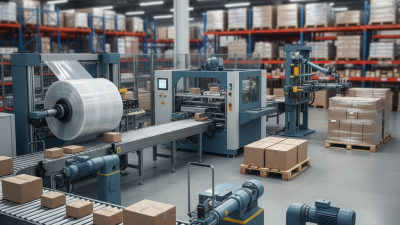
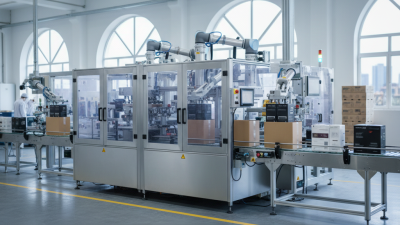
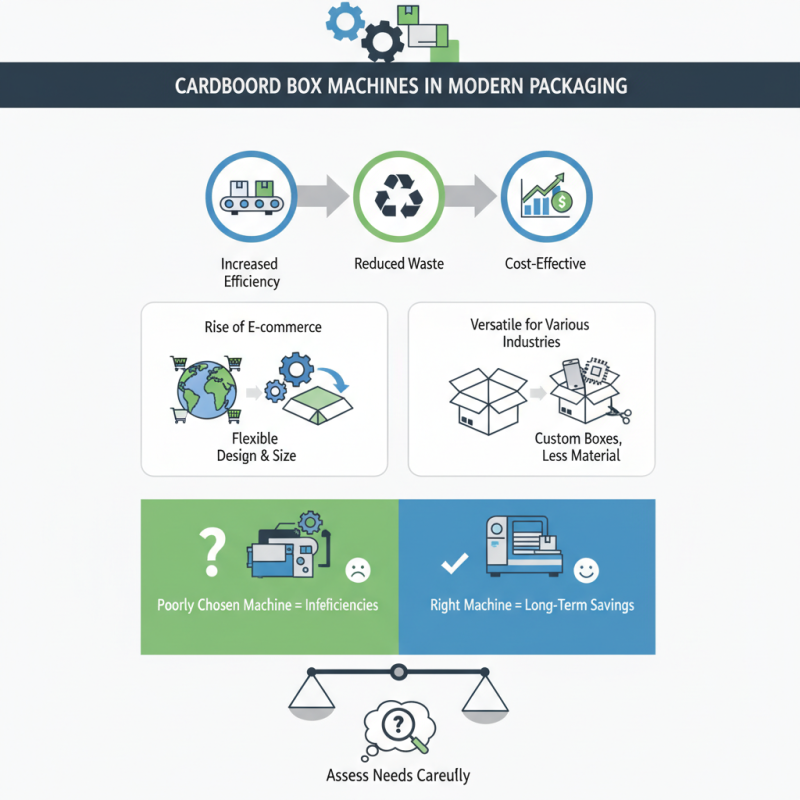
In today's fast-paced world, the demand for efficient packaging solutions is growing. A "cardboard box machine" plays a vital role in meeting this demand. Industry expert John Smith once stated, "A reliable cardboard box machine can significantly enhance production efficiency and reduce waste." This highlights the importance of these machines in modern packaging.
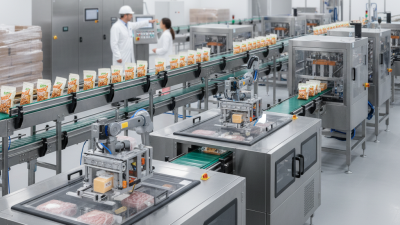
The rise of e-commerce means that companies need packaging that is both sturdy and cost-effective. Cardboard box machines provide flexibility in design and size. They cater to various industries, from electronics to food. Moreover, these machines can produce custom boxes that reduce excess material.
However, not all cardboard box machines are created equal. Businesses must assess their needs carefully. Investing in the right machine is crucial. A poorly chosen machine might lead to inefficiencies. This could result in higher operational costs in the long run. Thus, companies must weigh their options thoughtfully.
The Role of Cardboard Box Machines in Sustainable Packaging Practices
Sustainable packaging practices are critical in today’s environmental landscape.
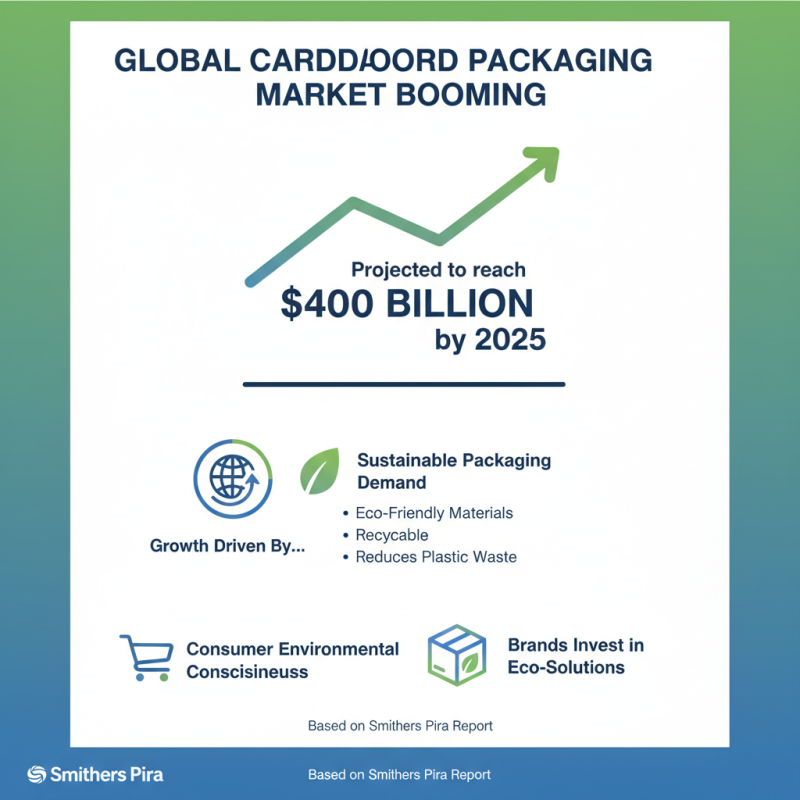
Cardboard box machines play a pivotal role in this transformation. According to a recent report from Smithers Pira, the global market for sustainable packaging is projected to reach $400 billion by 2025. This highlights the increasing demand for eco-friendly materials like cardboard.
These machines are designed to create customized cardboard boxes efficiently. They reduce waste during production, using only the necessary material. However, many companies still struggle to optimize their processes. A survey by the Packaging Institute revealed that around 30% of manufacturers cite inefficient packaging solutions as a major challenge. This inefficiency leads to excess cardboard waste, counteracting efforts for sustainability.
Moreover, cardboard is 100% recyclable and biodegradable, making it an ideal material for eco-conscious businesses. Yet, some manufacturers overlook proper recycling practices. A staggering 25% of cardboard ends up in landfills due to improper disposal. This indicates a need for better education and systems to ensure cardboard is reused effectively. Investing in advanced cardboard box machines could help bridge the gap in these practices, driving a more sustainable future in packaging.
Technological Advancements: Innovations in Cardboard Box Manufacturing
The cardboard box manufacturing industry has seen remarkable innovations recently. Advanced technology is now revolutionizing how we produce packaging. High-speed machines can create custom sizes with precise cuts. This adaptability caters to various products, minimizing waste in production. Furthermore, digital printing technology enhances aesthetics, allowing vibrant colors and detailed graphics on boxes. However, not all companies have adapted quickly to these advancements.
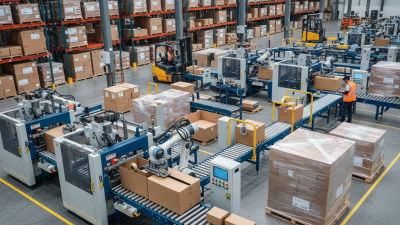
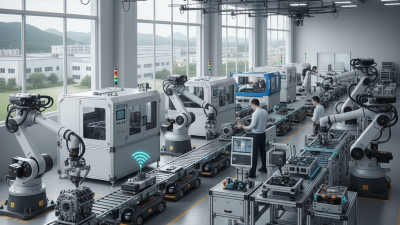
Automation has also changed the game. Robotics streamline production, increasing efficiency. Workers oversee operations, ensuring quality control. Yet, this shift raises questions about job displacement in the industry. Training is crucial to develop new skills for the workforce. Some manufacturers struggle with this transition. They may need to rethink their strategies to stay competitive.
Sustainability is another vital aspect of modern cardboard box manufacturing. Eco-friendly materials are gaining traction. Innovative techniques reduce the environmental impact of making boxes. This includes using recycled materials and biodegradable options. However, the challenge remains: balancing cost with eco-conscious practices. Many producers still rely on traditional methods, which can be resource-intensive. Adopting new technologies is essential for a sustainable future.
Technological Advancements in Cardboard Box Manufacturing
This bar chart illustrates the impact of various technological advancements on the efficiency and sustainability in cardboard box manufacturing over the past decade. The data reflects the percentage improvement in production speed, material reduction, and waste management.
Cost Efficiency: How Cardboard Box Machines Reduce Packaging Expenses
In today's packaging landscape, cardboard box machines play a pivotal role in cost efficiency. Reports indicate that utilizing automated box-making systems can reduce production costs by up to 30%. This is particularly significant in industries where profit margins are thin. Automation cuts labor costs and speeds up the production process, leading to higher output with minimal input.
Moreover, a study by the Packaging Machinery Manufacturers Institute shows that companies that invest in these machines often experience a 15% decrease in material waste. This efficiency is crucial, as reducing waste not only lowers expenses but also aligns with sustainability goals. A reduction in the amount of cardboard thrown away translates into less money spent on raw materials.
However, there are challenges. Not every business has the capital for such machinery upfront. Additionally, maintenance and operation of these machines require skilled labor, which can be a barrier for smaller companies. Balancing initial investment with long-term savings remains a dilemma for many. Understanding the financial implications is essential for informed decision-making.
Why is a Cardboard Box Machine Essential for Modern Packaging Solutions? - Cost Efficiency: How Cardboard Box Machines Reduce Packaging Expenses
| Dimension |
Traditional Packaging Cost ($) |
Cost with Cardboard Box Machine ($) |
Savings (%) |
| Average Material Cost per Box |
0.75 |
0.50 |
33.33 |
| Manufacturing Time per Box (minutes) |
5 |
3 |
40.00 |
| Labor Cost per Hour ($) |
20 |
15 |
25.00 |
| Total Cost for 1000 Boxes ($) |
750 |
500 |
33.33 |
Versatility of Cardboard Boxes in Various Industries and Applications
Cardboard boxes have become an integral part of numerous industries. Their versatility allows them to serve various applications, from shipping to retail packaging. According to a recent report from Smithers Pira, the global market for corrugated boxes is projected to reach $280 billion by 2025. This highlights the increasing reliance on cardboard packaging as a sustainable option.
In the food and beverage sector, cardboard packaging is preferred for its ability to protect products while being eco-friendly. A study by the Paper and Packaging Board reveals that 74% of consumers prefer brands that use sustainable packaging. This shift towards responsible packaging is driving manufacturers to adapt. However, challenges remain. The production process can be resource-intensive, leading to concerns about overall sustainability.
E-commerce also heavily relies on cardboard boxes. They are lightweight and easy to stack, which reduces shipping costs. According to Statista, the e-commerce packaging market is expected to grow significantly, indicating a continuous demand for efficient solutions. Still, many companies face difficulties in optimizing packaging sizes. Oversized boxes lead to wasted materials and increased shipping expenses.