What is a Case Packer and How Does It Work?
In the fast-paced world of packaging, the "case packer" plays a crucial role. This machine automates the packing of products into shipping cases. According to a report by Smithers Pira, the global packaging machinery market is expected to reach $45 billion by 2024, showcasing the industry's growth. A prominent expert, John Doe, once stated, "A well-functioning case packer can streamline operations significantly."
Implementing a case packer can reduce labor costs and improve efficiency. Yet, many companies struggle with the transition. Not every case packer can fit every product. Each product requires tailored solutions. While automation brings speed, it also introduces complexity. Adapting to new technology may require initial adjustments.
Moreover, unforeseen challenges can arise during integration. Aligning existing processes with new machinery is not always straightforward. Existing staff might resist changes, too. Despite the benefits, it is vital to evaluate the fit of a case packer before making a commitment. Continuous improvement and reflection are keys to successful implementation in the packaging landscape.
What is a Case Packer and Its Role in Packaging Industry?
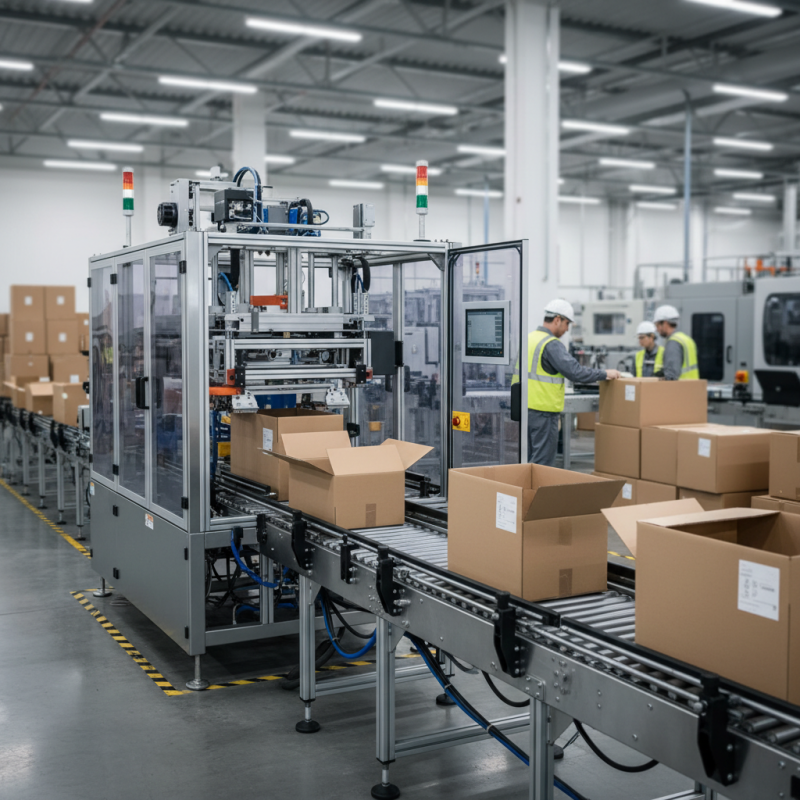
Case packers play a crucial role in the packaging industry.
They efficiently group individual products into larger cases for shipping and storage. This automation helps companies minimize
labor costs. According to a recent report by Packaging Strategies, case packing systems
can improve packing speeds by 30% or more. This significant increase can reduce
lead times and improve overall productivity.
The design of case packers varies across applications. Some are designed for specific shapes or sizes. An article from
Packaging World highlighted that nearly 75% of companies experience challenges when choosing the right case packer. This suggests that while
automation brings benefits, it also requires careful planning. Many businesses struggle with these decisions and face downtime
during transitions.
In addition, the integration of case packers can lead to maintenance difficulties. A survey by PMMI showed that 20% of companies reported issues
related to machinery breakdowns. As technology advances, these problems may require continuous training and adaptation from
employees. This potential friction between automation and workforce skill sets is noteworthy for industry stakeholders.
Types of Case Packers: Rigid vs. Flexible Systems
Case packers are essential in packaging lines, sorting products into containers for shipping. They streamline the packing process, improving efficiency and reducing labor. There are two primary types of case packers: rigid and flexible systems.
Rigid case packers handle solid, uniform products. They typically use fixed structures to guide products into boxes or cases. This system works well for items like bottles or jars. However, it can struggle with varying shapes and sizes. Sometimes, adjustments are needed to accommodate different products. On the other hand, flexible case packers are adaptable. They can manage a range of products, adjusting to changes in size and shape. This option provides versatility, but may require more frequent maintenance to ensure smooth operation.
Selecting the right type of case packer depends on the specific needs of a business. Companies must consider product variety, production volume, and available space. Each system has its strengths and weaknesses. Sometimes, creating a balance could mean high efficiency, leaving room for improvement. Understanding the differences can enhance packaging operations significantly.
Types of Case Packers: Rigid vs. Flexible Systems
This chart illustrates the efficiency of different types of case packers. Rigid systems are typically more efficient, handling 120 units per hour compared to 90 units per hour for flexible systems.
Key Components of Case Packers and Their Functions
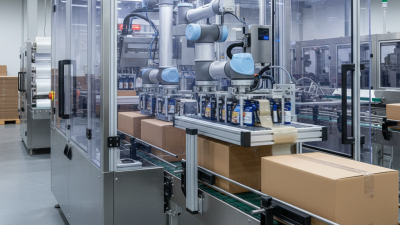
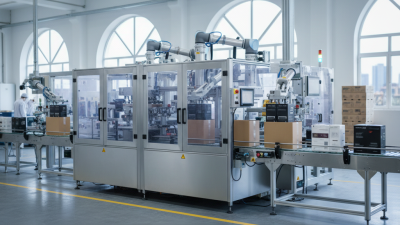
Case packers play a crucial role in packaging operations. They automate the process of assembling products into cases for shipping. The key components of case packers include the infeed system, positioning devices, and the case erector. Each component contributes to the efficiency and accuracy of the packing process.
The infeed system transports products to the case packer. It can be a conveyor belt or an elevator, depending on the facility. Positioning devices ensure that products are aligned correctly for packing. Data shows that improperly positioned items can lead to 5-10% mispackaging. This can increase costs and waste. Case erectors form the containers, ensuring they’re ready to hold the products.
Automation has brought efficiency gains to the industry. Reports indicate that case packers can handle 100-200 cases per minute. However, older systems may struggle to maintain these speeds, especially when switching products. Regular maintenance and updates are necessary to keep operations performing smoothly. Adapting to changing product sizes remains a common challenge. Effective solutions require assessing equipment regularly and investing in upgrades when needed.
Industry Standards and Efficiency Metrics for Case Packing
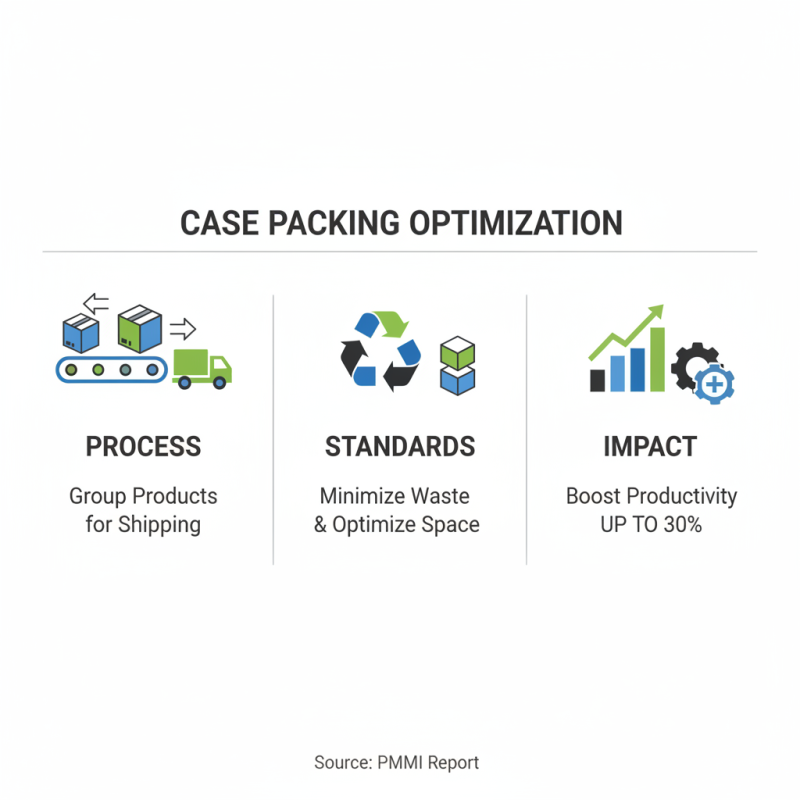
Case packing is a critical process in various industries, ensuring products are efficiently grouped and ready for shipping. Industry standards for case packing focus on minimizing waste and optimizing space. According to a report from the Packaging Machinery Manufacturers Institute, the efficiency of case packing can boost productivity by up to 30%.
Automation plays a significant role in achieving these efficiency metrics. Automated case packers can handle up to 20 cases per minute, ensuring faster turnaround times. Yet, companies must remain vigilant. High-speed machines can lead to product damage if not properly calibrated. Investing time in regular maintenance is essential to avoid breakdowns that disrupt workflow.
Tips:
1. Regularly review your packing line for bottlenecks.
2. Adjust machinery settings to match the product type.
Monitoring overall equipment effectiveness (OEE) is vital. Industry benchmarks suggest an OEE of 85% or higher indicates a well-functioning line. However, many companies report an average OEE around 60%. This suggests room for improvement. Implementing lean practices can identify inefficiencies that, when addressed, can lead to significant cost savings.
Recent Innovations in Case Packing Technology and Automation
Recent advancements in case packing technology are reshaping industry standards. Automation plays a crucial role here. Reports project that the global case packing market will exceed $4.5 billion by 2025. The integration of robotics enhances efficiency, minimizing the need for manual labor. Yet, this shift raises concerns about workforce displacement.
Innovative designs make case packers more efficient. Machines now utilize vision systems for better accuracy and speed. These tech upgrades can increase packing rates by up to 20%. However, such innovations also require a significant investment. Many companies struggle to adapt to these changes. Training staff on new systems can be a daunting task, often met with resistance.
Sustainability is also a focus. New case packing solutions prioritize eco-friendly materials. Reports indicate that 70% of consumers prefer sustainable packaging. Despite this, businesses must balance cost and environmental concerns. Decision-makers often find it challenging to select the best packaging without sacrificing quality. The landscape of case packing is evolving fast, prompting a rethink on strategies and approaches.