What is a Case Packer Machine and How Does It Work?
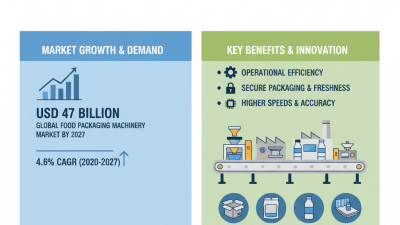
The case packer machine is a pivotal asset in modern packaging processes. In recent years, the global market for case packing systems has exhibited robust growth, projected to reach USD 4.07 billion by 2026, according to a report from Research and Markets. This machinery not only enhances efficiency but also ensures precision in product handling, which is crucial for maintaining quality.
Industry expert John Smith, a senior analyst at Packaging Solutions, noted, "A case packer machine can significantly reduce operational costs while increasing throughput." His insights echo the observed trend in manufacturing where automation plays a critical role in meeting consumer demands. As companies strive for faster distribution, the case packer machine emerges as a solution.
Despite advancements, challenges remain. Integrating these machines into existing production lines can be complex. Additionally, some businesses struggle with selecting the right system for their specific needs. As the industry evolves, ongoing evaluation and adaptation of technology are essential. This reflects the dynamic nature of packaging, where continuous improvement remains a priority.
What is a Case Packer Machine?
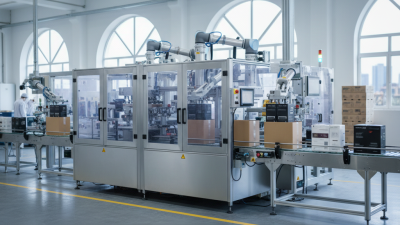
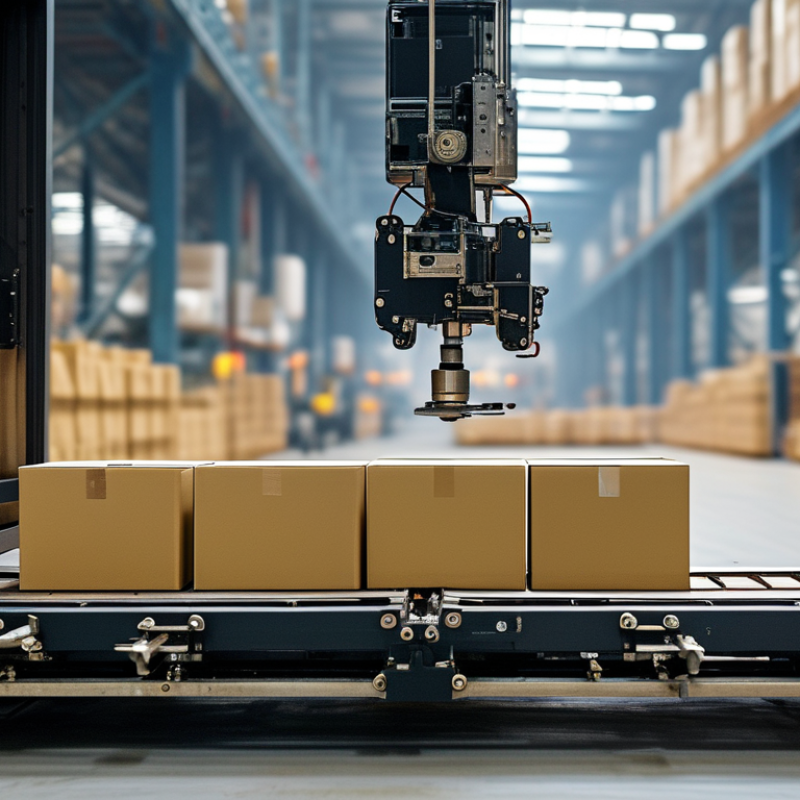
A case packer machine is an essential tool in modern packaging processes. Designed to automate the bundling of products into cases, it significantly enhances efficiency. Typically, it takes individual products from a production line and organizes them into predefined formats. This automation reduces labor costs and minimizes human error.
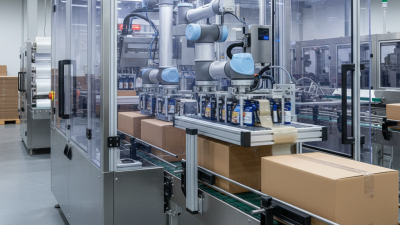
The operation of a case packer is fascinating. First, the machine collects items using mechanisms like conveyors and robotic arms. Next, it precisely arranges them in designated patterns. Once configured, the case packer seals the boxes securely. Some machines also integrate labeling and inspection to ensure quality. These functions allow manufacturers to streamline their workflow.
Despite advancements in technology, challenges persist. Machines may struggle with irregularly shaped products or varying sizes. This inconsistency can lead to packing errors. Regular maintenance is crucial to ensure optimal performance. It's vital for operators to be trained in troubleshooting. This can help address potential problems promptly, minimizing downtime.
Types of Case Packers and Their Applications
Case packers are essential in packaging industries, designed to automate the packing of products into cases. They enhance efficiency in production lines. Different types of case packers cater to specific needs and products.
Top categories include top-loaders, side-loaders, and wraparound case packers. Top-loaders are versatile and often used for boxes. Side-loaders are efficient for larger products and bulk items. Wraparound packers provide excellent packaging for unique shapes and sizes. Each type has its unique application in food processing, pharmaceuticals, and consumer goods.
In your search for the right case packer, consider the product size and weight. Evaluate the production speed you need. Don't overlook maintenance requirements; they can affect performance over time. Regular checks prevent costly downtime. Choosing the right machine can significantly impact your operational efficiency. Always seek expert advice if uncertain, as the right decision can enhance your productivity significantly.
Key Components of a Case Packer Machine
When exploring the key components of a case packer machine, it's important to understand its essential parts. At the heart of the machine is the frame, the backbone that holds everything together. This sturdy structure ensures stability during operation. According to a recent industry report, robust frames can extend the lifespan of the equipment by up to 25%.
Another critical component is the feeder system. It organizes products for packing. This can be a conveyor belt or a robotic arm, optimized for efficiency. Feeder systems capable of handling varying product sizes can increase productivity by as much as 30%. However, aligning the feeder with the case packer often presents challenges that require continuous adjustments.
Lastly, the sealing and labeling units are vital. These components ensure cases are properly sealed and labeled for shipping. Inaccuracies can lead to shipment delays. A study highlighted that 15% of logistical errors in packaging arise from misalignment in this area. The reliability of these components is crucial for maintaining workflow and minimizing waste. Crafting a balance between efficiency and accuracy remains an ongoing challenge in the industry.
What is a Case Packer Machine and How Does It Work? - Key Components of a Case Packer Machine
| Component |
Function |
Material Used |
Typical Applications |
| Case Erector |
Forms and opens cases for packing. |
Cardboard, corrugated board |
Beverages, consumer goods |
| Product Feeder |
Aligns and feeds products into cases. |
Metal, plastic |
Food, pharmaceuticals |
| Case Closer |
Seals and secures cases to ensure safety. |
Adhesive tape, glue |
Household products, electronics |
| Control System |
Manages and monitors the operations of the machine. |
Programmable logic controllers (PLCs) |
All types of packaging automation |
| Safety Features |
Ensures operator and machine safety during operation. |
Emergency stop buttons, guards |
Industrial settings |
How Case Packer Machines Operate Step by Step
Case packer machines are vital in packaging operations. They automate the process of grouping products into cases efficiently. By integrating with production lines, these machines streamline packaging for various industries.
The operation of a case packer machine involves several steps. Initially, products are fed onto a conveyor belt. Sensors detect the items and guide them toward the packing area. Once the correct number of products is in position, robotic arms or mechanical flaps move to form a case. At times, adjustments are needed to align products properly, showing that even automated systems can have hiccups.
After the case is formed, the machine seals it, ensuring product safety during transport. Quality checks are essential throughout this process. Occasionally, a misalignment may occur, which can slow down production. Workers must remain attentive to address any issues in real-time, showcasing the blend of technology and human oversight needed for optimal performance.
Advantages of Using a Case Packer in Production Lines
Case packer machines are vital in modern production lines, offering numerous advantages. They enhance efficiency, reduce labor costs, and improve safety. Data from industry reports indicate that automation in packaging can increase production speed by up to 50%. This significant boost allows manufacturers to meet growing consumer demands more effectively.
Moreover, case packers minimize the possibility of human error, which can be costly. A study revealed that automated systems decreased packaging errors by 40%. Safety is also a key benefit; these machines protect workers from repetitive strain injuries associated with manual packing processes. Implementing a case packer can lead to a considerable ROI, with some companies reporting payback within just a year.
However, it's essential to consider the initial investment in such technology. Not all businesses can afford case packers right away. Transitioning from manual to automated systems requires training and adjustment. Manufacturers must evaluate whether the long-term benefits justify the upfront costs. This careful analysis ensures companies make informed decisions that align with their operational goals.