Why is the China Modular Construction Market Booming Now?
The China Modular Construction Market is experiencing unprecedented growth, driven by urbanization and sustainability demands. According to a report by ResearchAndMarkets, the modular construction industry in China is set to reach $100 billion by 2025, showcasing a compound annual growth rate (CAGR) of 11.2%. This surge reflects a broader shift toward efficient building practices that reduce material waste and construction time.
Moreover, the Chinese government supports modular construction through favorable policies and incentives. These initiatives aim to address the housing crisis in mega-cities like Beijing and Shanghai. Local governments are increasingly adopting modular techniques to expedite public infrastructure projects, ensuring they meet rising population demands while minimizing environmental impacts.
Despite this growth, challenges remain. The industry faces hurdles such as labor shortages and supply chain disruptions. As companies navigate these issues, they must innovate to achieve long-term sustainability. The China Modular Construction Market's potential is vast, yet stakeholders need to reflect on how to harness its benefits responsibly.
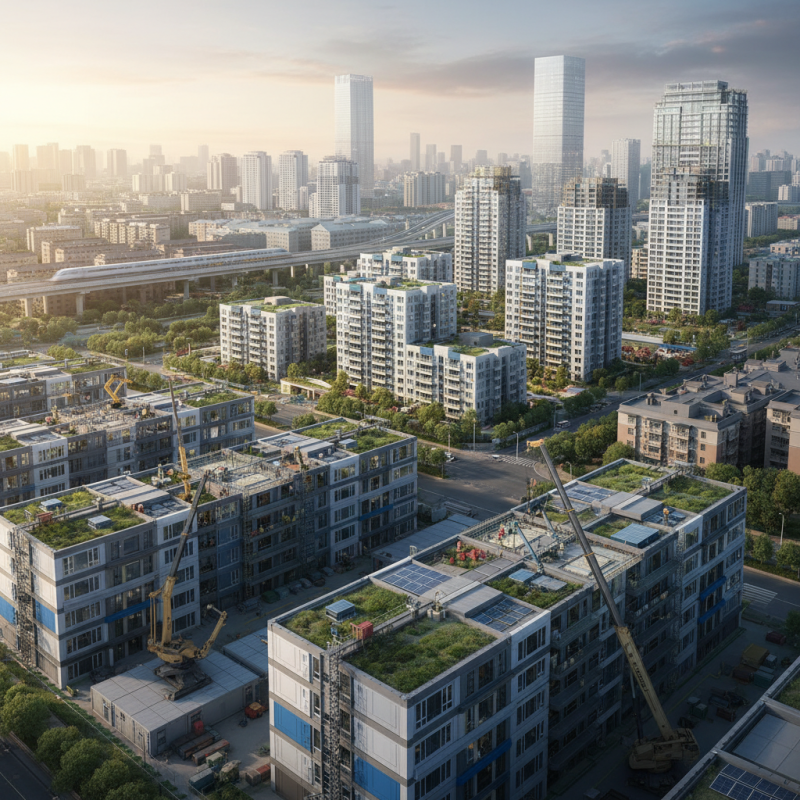
The Rapid Growth of China's Modular Construction Market: An Overview
The modular construction market in China is experiencing unprecedented growth. Several factors contribute to this rapid rise. Urbanization is a driving force, with millions moving to cities for better opportunities. The demand for quick and efficient housing solutions has never been higher. Prefabricated structures offer significant time savings compared to traditional building methods.
Construction efficiency is enhanced through automation. Factories produce modules under controlled conditions, minimizing waste and delays. This precision improves building quality, an essential factor in meeting modern standards. However, challenges remain. The integration of new technologies poses a learning curve for workers. Adapting traditional labor skills to this new approach requires careful planning.
Tips: When considering modular construction, assess local regulations. Each region may have specific rules that affect project timelines. Collaboration with experienced professionals can ease the transition. Understanding the market's unique demands is crucial for success. Always stay informed about innovations in the field as technology evolves rapidly.
Why is the China Modular Construction Market Booming Now?
The rapid growth of China’s modular construction market is evident in the upward trend of its market size over recent years, showing a significant increase from 2018 to 2023. The surge can be attributed to advancements in technology, rising labor costs, and increased demand for affordable housing solutions.
Key Drivers of the Boom in China’s Modular Construction Sector
The China modular construction market is experiencing a significant boom. Several key drivers are fueling this growth. One major factor is the ongoing urbanization in China. As cities expand, modular construction offers quick and efficient solutions to meet increasing housing demands. According to a report by the China Architectural Industry Association, the modular construction market is expected to reach approximately 1.6 trillion RMB by 2025.
Technological advancements are also playing a critical role. Innovative building techniques and materials have increased modular construction’s efficiency. A study from McKinsey indicates that modular projects can be completed 20-50% faster than traditional methods. Additionally, the focus on sustainability is rising. Modular construction often results in less waste and lower energy consumption during production. This aligns with China's push for green building practices.
Despite the current enthusiasm, challenges remain. The industry faces issues with supply chain fragmentation and a lack of skilled labor. Not all projects are suitable for modular methods. This can lead to complexities in design and execution. Industry reports suggest that while growth is promising, stakeholders must adapt continuously to address these hurdles effectively.
Economic Impact: Contribution of Modular Construction to China’s GDP
Modular construction has gained significant traction in China, becoming a key contributor to the nation’s GDP. By utilizing prefabricated modules, builders can streamline their processes. This efficiency reduces construction time, allowing projects to be completed faster. With rapid urbanization, the demand for housing and infrastructure has surged. Modular construction offers a timely solution to these pressing needs.
The economic impact is evident. Reports suggest that the modular sector can contribute billions to China's economy. The reduced labor costs associated with prefabricated methods enhance these benefits. Moreover, the ability to standardize materials leads to lower overall expenses. Yet, challenges exist, such as the need for skilled labor and training. Many workers require upskilling to adapt to new technologies. This transition can be slow, impacting overall productivity.
Additionally, the sustainability aspect of modular construction cannot be ignored. It minimizes waste and reduces carbon footprints. However, the industry must confront its environmental responsibilities more thoroughly. Striking a balance between growth and environmental impact is essential. As the modular construction market evolves, reflective practices will lead to more sustainable outcomes. This can increase its positive influence on China’s GDP.
Technological Advancements Driving Efficiency in Modular Construction
The China modular construction market is experiencing rapid growth, driven primarily by technological advancements. Prefabrication technology has transformed how buildings are designed and constructed. According to a report by Research and Markets, the modular construction market in China is set to reach $100 billion by 2025. This growth is fueled by faster construction times and reduced labor costs.
Automation in manufacturing processes allows for higher precision in building components. Robotics and computer-aided design are paving the way for improved efficiency. A report from McKinsey indicates that companies utilizing modular techniques can reduce construction times by up to 50%. This means quicker project completion and the ability to meet rising housing demands more effectively.
Tip: Investing in training for construction teams is crucial. Knowledge of new technologies leads to better implementation of modular techniques.
Despite these advancements, challenges remain. Some construction companies face resistance to change. The industry also grapples with regulatory hurdles that can delay project approvals. Addressing these issues will be vital for sustained growth.
Tip: Continuous feedback from workers can identify inefficiencies and areas for improvement in modular processes. Engaging frontline teams enhances adaptability in a rapidly evolving market.
Environmental Sustainability: Benefits of Modular Construction in China
The modular construction market in China is experiencing significant growth. This trend is especially driven by a focus on environmental sustainability. Modular construction not only reduces waste but also minimizes the carbon footprint of building projects. According to a report from the World Green Building Council, buildings account for nearly 39% of global carbon emissions. In response, China's construction sector is increasingly adopting modular methods to meet sustainable goals.
A study by McKinsey highlights that modular construction can cut build time by up to 50%. This efficiency translates into less energy used during construction. Additionally, prefabricated materials are often manufactured in controlled environments, leading to higher quality and less waste. The circular economy benefits from this approach as well. The ability to repurpose materials reduces overall environmental impact.
However, challenges persist in fully embracing modular construction. There is a skills gap in the workforce familiar with modular techniques. Furthermore, regulatory hurdles can slow down project approvals. Overall, despite the hurdles, the drive toward sustainability within the modular construction landscape is promising. Innovative practices could redefine building standards in the coming years.
Why is the China Modular Construction Market Booming Now? - Environmental Sustainability: Benefits of Modular Construction in China
| Dimension | Data |
| Market Growth Rate (2023) | 15% |
| Projected Market Size (2025) | USD 120 Billion |
| Reduction in Construction Waste | 30% |
| Energy Savings per Structure | 25% |
| Time Savings Compared to Traditional Methods | 50% |
| Sustainability Certifications Achieved | 85% |
| Increase in Affordable Housing Units | 40% |