How to Choose the Best Shopper Paper Bag for Your Business?
In today's retail environment, choosing the right Shopper Paper Bag is crucial for businesses. According to a recent report from the Paper and Paperboard Packaging Environmental Council, 90% of consumers prefer paper over plastic packaging. This shift reflects growing environmental awareness and consumer preference for sustainable options. Expert Leslie Greene, a leader in eco-friendly packaging solutions, notes, "The right bag can enhance your brand’s image while supporting sustainability."
Selecting a Shopper Paper Bag involves considering several factors, including size, material, and design. The material must be durable yet recyclable, ensuring it aligns with eco-conscious practices. Moreover, branding opportunities on these bags can significantly influence customer loyalty. Research shows that 70% of consumers remember brands based on their packaging.
While many businesses focus on aesthetic aspects, functionality should not be overlooked. A bag that easily carries products without compromising quality is essential. As the market evolves, reflection on these elements is necessary. Balancing design and practicality may lead to missed opportunities for connection with customers and reduced efficiency in operations.
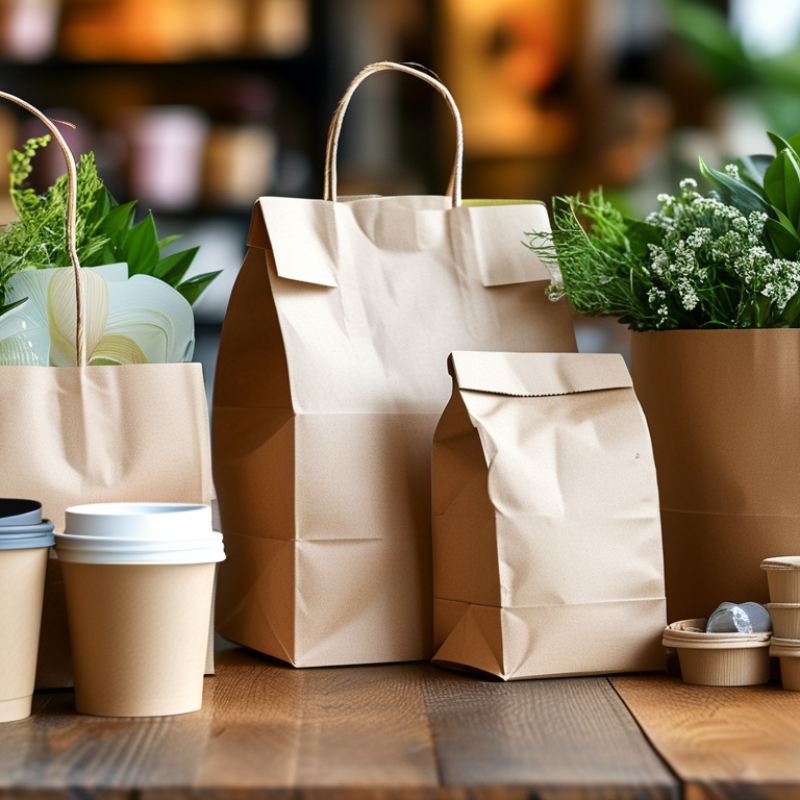
Understanding the Importance of Shopper Paper Bags for Business
Shopper paper bags are more than just carriers for products. They serve as a crucial touchpoint in a customer’s experience. These bags reflect a brand's identity and commitment to sustainability. With more consumers prioritizing eco-friendly options, using paper bags can enhance a business's reputation. They are perceived as a responsible choice that cares for the environment. This can foster customer loyalty and encourage repeat purchases.
When selecting a shopper paper bag, businesses should consider design and functionality. A well-designed bag can draw attention and boost brand visibility. The size and strength also matter; the bag should comfortably hold products. Choosing the right material is essential. People often notice the texture and sturdiness. A flimsy bag can lead to negative experiences. Balancing aesthetics with durability is a challenge many face. There’s always a risk that a poorly made bag could damage the brand image.
However, not all businesses take these factors into account. Some may cut costs, neglecting quality for something cheaper. This often leads to dissatisfaction among customers. They might refuse to use bags that don’t meet their expectations. This highlights the importance of aligning business decisions with consumer values. Thoughtful decisions can make a significant difference in building trust and enhancing the overall shopping experience.
Identifying Your Business Needs and Target Audience for Paper Bags
Identifying your business needs is crucial when selecting shopper paper bags. Consider the primary purpose of the bags. Will they be used for retail, food service, or events? Each type of business may require different features, such as durability or insulation. For instance, a retail store might need stylish bags to enhance branding. In contrast, a café may look for moisture-resistant bags.
Understanding your target audience is equally important. What are their preferences and values? Eco-conscious consumers often prefer biodegradable materials. Businesses selling luxury items may need more refined designs. Additionally, consider the bag size. A smaller bag may suffice for cosmetics, while larger ones may be better for clothing.
Gather feedback from your existing customers. What do they think about your current packaging? This dialogue can reveal preferences you might overlook. Test different designs and materials, observing customer reactions. A bag that customers dislike will not promote your brand effectively. Be open to making changes based on what resonates with your audience.
Exploring Different Types of Shopper Paper Bags Available
When selecting shopper paper bags for your business, understanding the types available is crucial. There are several popular choices in the market. Flat paper bags are lightweight and easy to store. They work well for smaller items and offer great branding opportunities. Many businesses prefer these for a sleek presentation.
Another option is the gusseted paper bag. This style has expandable sides, allowing for larger items. They can hold heavier products with ease. Retailers often choose this type for clothing and other bulkier items. Custom sizes can enhance their appeal and functionality.
Kraft paper bags are highly durable. They are ideal for eco-conscious brands. These bags can be recycled and offer a rustic charm that attracts customers. Consider the handles as well. Twisted or flat handles can affect both comfort and aesthetics. Reflecting on these details can make a real difference.
Evaluating Material Options for Durability and Sustainability
When choosing a shopper paper bag, material selection plays a crucial role in both durability and sustainability. Various materials have unique properties, influencing how they perform under different conditions. For instance, kraft paper is a popular choice due to its strength and biodegradable nature. It can hold significant weight and withstand regular handling, but it may not be as water-resistant as some businesses would prefer.
Recycled paper is another sustainable option. It utilizes pre-consumer waste material, breaking the cycle of producing new paper. However, the durability can vary based on its source and processing. Businesses should evaluate their specific needs. Lightweight options are appealing for easy transport, but they might wear out quickly.
A balance between sustainability and functionality is essential. Consumers increasingly demand eco-friendly choices. Choosing the wrong material can lead to customer dissatisfaction. It’s vital to research and test various materials to find the right fit for your brand. Consider the message you want to convey through your packaging. Making thoughtful choices will resonate with customers who value environmental responsibility.
How to Choose the Best Shopper Paper Bag for Your Business?
| Material | Durability Rating (1-5) | Sustainability Rating (1-5) | Cost per 100 Bags ($) | Uses |
| Kraft Paper | 4 | 5 | 50 | Retail, Grocery |
| Recycled Paper | 3 | 5 | 60 | Eco-Friendly Stores |
| Brown Paper | 3 | 4 | 55 | Gift Shops, Bakeries |
| Coated Paper | 5 | 3 | 75 | Fashion, High-End Retail |
| Bleached Paper | 4 | 4 | 65 | Retail, Special Events |
Tips for Customizing Your Paper Bags to Reflect Your Brand Identity
Customizing paper bags to reflect your brand identity is crucial for any business. A well-designed bag can leave a lasting impression. Research shows that 72% of consumers form an opinion about a company based on its packaging. This highlights the need for thoughtful customization.
Consider color, logo placement, and material. Different colors evoke different emotions. For instance, green is often associated with eco-friendliness. Nearly 64% of consumers choose brands based on their environmental values. Your logo should be clearly visible but not overpowering. It’s important to strike a balance between aesthetics and functionality.
Keep in mind that not all designs work. Oversized logos or busy patterns can confuse shoppers. A clean, modern look often resonates better. Surveys indicate that 50% of customers prefer simple designs over complex ones. This reflects an ongoing trend toward minimalism. Packaging should not only reflect your identity but also align with customer expectations and market trends.