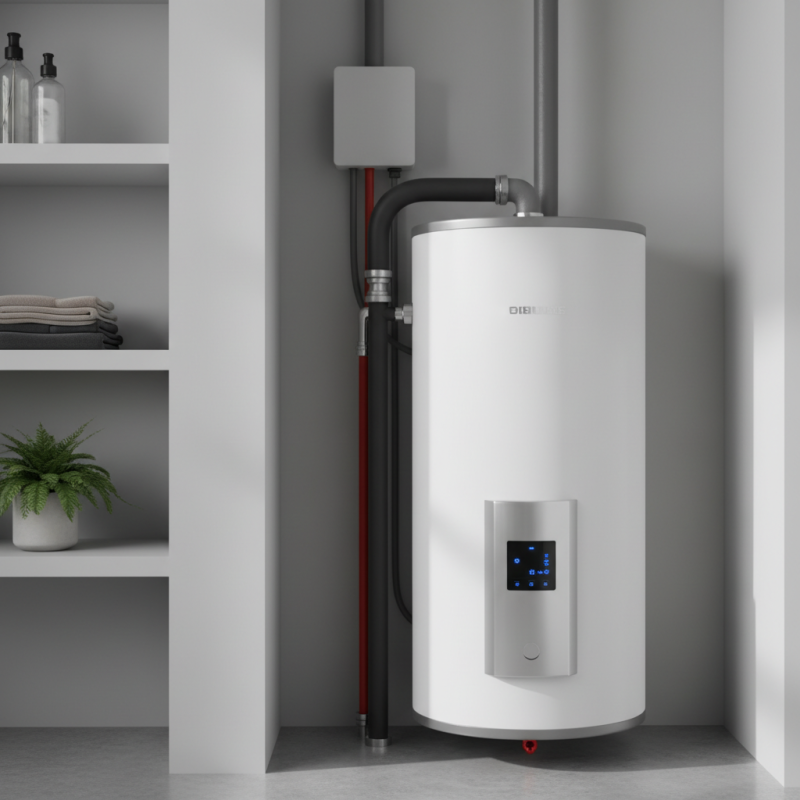
Why Choose Electric Water Heater for Your Home Needs?
When considering suitable solutions for heating water in your home, an Electric Water Heater often stands out. Its efficiency and convenience make it a popular choice among homeowners. Electric Water Heaters come in various sizes and designs, ensuring there's an option for every household.
These appliances typically heat water on demand, providing a reliable supply without the need for storage tanks. Moreover, their installation is straightforward, often requiring basic electrical connections. Some families may find them more manageable, especially in smaller homes with limited space.
However, selecting an Electric Water Heater isn’t always simple. Energy costs can vary significantly based on usage and local rates. Homeowners should assess their specific needs and consider long-term expenses. Understanding these factors can lead to more informed and effective choices for efficient water heating solutions.
Benefits of Electric Water Heaters for Residential Use
Electric water heaters are gaining popularity for residential use. One major benefit is their energy efficiency. Compared to traditional gas models, electric heaters often operate with higher efficiency rates. This means you can enjoy hot water without wasting energy. Homeowners see a noticeable decrease in their utility bills.
Another advantage is their compact size. Electric water heaters can fit in smaller spaces. This flexibility is especially valuable for apartments or homes with limited room. Additionally, their installation is usually simpler. You won’t need extensive venting systems, which can complicate setup.
However, there are considerations. Electric water heaters may have slower recovery rates. This means, during high-demand times, you might run out of hot water quicker. Additionally, if there’s a power outage, your hot water supply is affected. Households need to evaluate their hot water needs carefully. Balancing efficiency with capacity is crucial when choosing the right heater for your home.
Energy Efficiency of Electric Water Heaters Compared to Gas Models
When considering home water heating options, energy efficiency plays a critical role. Electric water heaters have shown significant advantages over traditional gas models. According to the U.S. Department of Energy, electric water heaters convert about 90% of energy into hot water, boasting a higher efficiency than gas units, which typically range from 82% to 90%.
One major factor to consider is the cost of operation. The cost per kilowatt-hour for electricity tends to be lower than that of natural gas. Additionally, electric water heaters require less maintenance, leading to long-term savings. The National Renewable Energy Laboratory reports that electric units can reduce energy bills by approximately 10-30% compared to gas systems, depending on local utility rates.
However, it's essential to think about the sources of electricity. If the grid relies heavily on non-renewable energy, the environmental benefits may diminish. Moreover, electric systems are typically slower in heating, requiring more energy during peak usage times. Despite these considerations, the reliability and efficiency of electric water heaters make them a strong option for homeowners seeking cost-effectiveness and ease of use.
Cost Analysis: Initial Investment vs. Long-term Savings
When considering an electric water heater, understanding costs is crucial. The initial investment can seem daunting. Electric water heaters often cost more upfront than traditional gas models. However, consider the energy efficiency they provide. Many models convert over 90% of energy into hot water. This efficiency can translate into lower monthly utility bills.
Long-term savings often outweigh initial costs. Utilities typically charge less for electricity in off-peak hours. This means running your heater during those times can save you money. Maintenance is simpler with electric systems. There’s no need for venting or complicated gas line installations. However, be mindful that electricity rates can fluctuate, affecting long-term savings.
Evaluating your household's hot water needs is essential. Families with high demands may not see the same savings as smaller households. Sometimes, the convenience of instant hot water is worth the initial expense. Not every solution fits all situations, and understanding your specific needs can guide your choice in electric water heaters effectively.
Safety Features of Electric Water Heaters: A Comprehensive Overview
Electric water heaters are increasingly favored for their safety features. Research from the U.S. Department of Energy indicates that these heaters can reduce the risk of burns. Many models include safety cut-off switches that stop heating at a set temperature. This feature is particularly beneficial for homes with children.
Another vital aspect is the leak detection system. According to the National Fire Protection Association, water leaks can lead to mold and structural damage. Electric heaters equipped with this technology can alert homeowners to leaks. This early intervention can save thousands in repair costs.
Despite their advantages, not all electric water heaters are created equal. Some units may lack high-quality insulation, leading to heat loss. Regular maintenance is essential to ensure safety features function correctly. Homeowners should conduct annual checks to verify the effectiveness of safety mechanisms. This proactive approach can prevent unforeseen issues.
Environmental Impact: Lower Carbon Footprint of Electric Heating Systems
When it comes to choosing a heating system for your home, electric water heaters stand out for their environmental benefits. They generate energy without emitting greenhouse gases during operation. This drastically reduces the carbon footprint, especially when paired with renewable energy sources like solar or wind. Many homes are now adopting electric systems, recognizing their potential for sustainable living.
Electric heating systems often require less maintenance than traditional gas systems. This reliability can lead to resource savings. However, it’s essential to consider the source of the electricity used. If it comes from fossil fuels, the benefits can diminish. The transition to cleaner energy sources is still ongoing, so there is room for improvement in the energy landscape.
While electric water heaters are efficient, the initial installation costs can be higher. Homeowners may feel hesitant due to upfront expenses. Additionally, some regions still rely heavily on non-renewable energy. This situation may lead to varied environmental impacts. It’s crucial to weigh the options and stay informed about local energy sources.