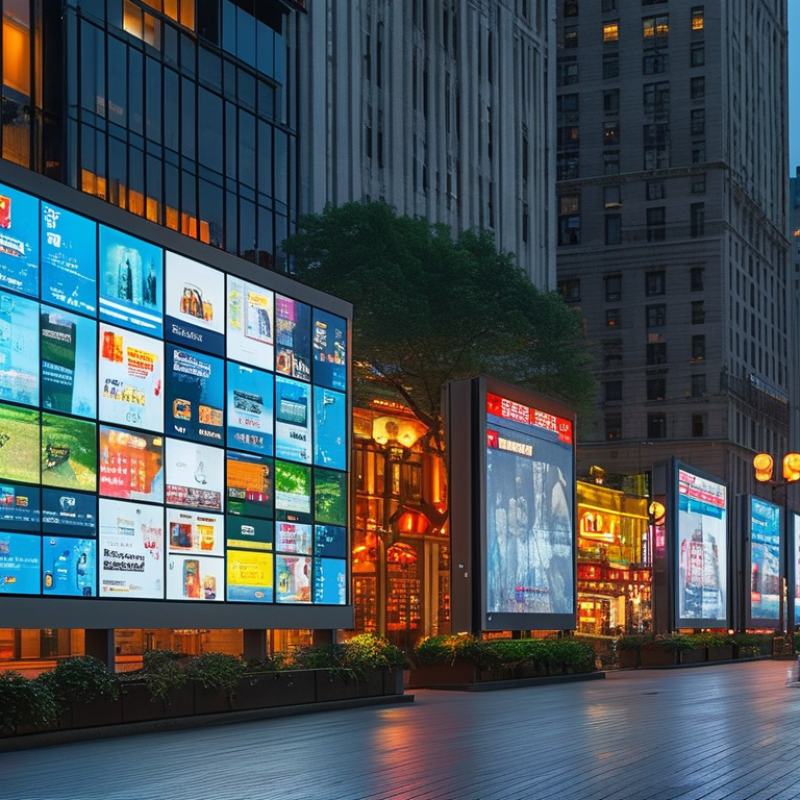
How to Choose the Right Perimeter Led Display for Your Needs?
Choosing the right Perimeter Led Display can significantly impact your advertising effectiveness. With many options available, it is essential to consider several factors. A well-selected display can enhance visibility and engagement.
Understanding your specific needs is critical. Consider the size, brightness, and resolution when choosing your Perimeter Led Display. For instance, larger screens often attract more attention. However, they may not be suitable for every location. Moreover, brightness levels should align with your environment. High brightness might be necessary for outdoor use, while a lower setting could work indoors.
Experts recommend evaluating your budget and intended display lifetime. Sometimes, opting for cheaper products leads to higher costs in maintenance. Reflecting on these aspects ensures you make an informed decision.
Understanding the Basics of Perimeter LED Displays
Choosing the right perimeter LED display involves understanding its basics. Perimeter LED displays are crucial for enhancing visibility and engagement at events. They are versatile, used in sports, concerts, and advertising. Knowing the specifications helps in selecting the right display for your needs.
Brightness is a key factor. A display with higher brightness works better in outdoor settings, ensuring images pop under sunlight. Pay attention to pixel pitch. Smaller pixel pitch offers higher resolution, ideal for close viewing. The sizes vary; larger displays may attract more viewers but can overwhelm smaller venues.
Tips: Always consider the viewing distance. A crowd further away may not need high resolution. Also, think about installation and maintenance. Some displays require more complex setups, which can lead to higher costs. It's wise to invest time in research and seek professional advice when needed. Balancing your desires with the practical aspects is vital. You might find perfect tech, but if it exceeds your budget or technical expertise, your choice may need rethinking.
Identifying Your Specific Display Needs and Objectives
When selecting a perimeter LED display, it’s crucial to identify your specific display needs and objectives. According to industry reports, nearly 70% of businesses find that understanding target audiences enhances their messaging effectiveness. First, define the environment where the display will be used. Will it be for an indoor sports arena or an outdoor event? Different settings require varying luminosity and pixel pitch to ensure visibility.
Consider the content type you plan to showcase. For example, high-resolution images and video ads benefit from displays with smaller pixel pitches. A report from the Digital Signage Federation shows that businesses utilizing high-quality visuals can increase audience engagement by up to 50%. Assess how your display will be used. Will it display dynamic content or static messages? Each use case may demand a different technology or configuration.
Budgetary constraints are another critical factor. Research indicates that over 40% of companies exceed their initial investment plans due to unforeseen expenses. Build a flexible budget that considers installation, maintenance, and operational costs. Reflect on these details to ensure the selected perimeter LED display aligns well with your goals and provides a long-term solution without unexpected challenges.
Evaluating Key Features and Specifications of LED Displays
Choosing the right perimeter LED display requires careful consideration of several key features and specifications. Resolution is crucial. A higher resolution provides clearer images, vital for attracting attention. Pixel pitch determines how close viewers can get without losing clarity. Smaller pixel pitches are better for close viewing, while larger pitches suit distant audiences.
Brightness is another essential factor. Displays must be bright enough to remain visible even in direct sunlight. Look for specifications detailing brightness levels in nits. Viewing angle is equally important. A wider angle ensures that your display remains effective from various perspectives.
Durability matters, too. Weatherproof designs prolong the lifespan of outdoor displays. Evaluate the IP rating to understand their resistance to dust and moisture. Reflecting on these aspects can uncover areas needing improvement. A display may tick all boxes on paper, but real-world performance often tells a different story. Regular maintenance ensures optimal visibility and longevity; neglect might lead to unexpected issues.
How to Choose the Right Perimeter Led Display for Your Needs?
| Feature | Specification |
| Pixel Pitch | 10mm |
| Brightness | 5000 nits |
| Viewing Angle | 160° (H) x 120° (V) |
| Refresh Rate | 1920 Hz |
| Power Consumption | 300 W/m² |
| IP Rating | IP65 |
| Lifespan | 100,000 hours |
| Control System | Remote control, Software integration |
Comparing Different Types and Models of Perimeter LED Displays
When selecting a perimeter LED display, it's crucial to compare different types and models available. The choice often depends on factors like resolution, brightness, and size. High-resolution displays offer sharp images, making them ideal for close-up viewing. However, they are usually more expensive. Consider the distance from which your audience will view the display. For longer distances, lower resolution may suffice, reducing costs while still delivering an impactful message.
Another key factor is brightness. In outdoor environments, a bright display is necessary to ensure visibility in sunlight. Many models feature adjustable brightness levels. This flexibility allows you to customize the display for various lighting conditions. On the other hand, some displays might struggle in direct sunlight, leading to visibility issues. Thus, reviewing specifications is essential.
Additionally, think about the installation process and how it fits your existing infrastructure. Some models require significant adjustments, while others can integrate easily. Always check the weight and mounting options. Not all installations are straightforward. You may encounter unexpected challenges, such as cable management or power supply issues. Balancing these practical considerations with your visual needs will guide you toward the right choice.
Budgeting and Cost Considerations for Your LED Display Purchase
When budgeting for an LED display, it’s crucial to consider various cost factors. The initial price is just one aspect. According to a recent industry report, about 70% of companies underestimate the long-term expenses associated with maintenance and energy consumption. These ongoing costs can significantly affect overall budgeting, making thorough research essential.
Installation fees can also vary widely. Some displays require specialized installation, which can add thousands to your initial investment. More complex setups align better with urban landscapes but bring higher costs. The same report highlights that many buyers overlook the return on investment (ROI) analysis. Understanding potential revenue increases is vital when making a decision.
Additionally, the choice of technology impacts pricing. Options such as pixel pitch and brightness can dictate costs. High-resolution displays may seem attractive but could strain smaller budgets. Recent findings indicate that quality displays yield better audience engagement, but not all environments justify premium setups. It’s essential to balance quality with budget constraints, ensuring the display serves its intended purpose effectively.