The Duravant family of operating companies serve the food processing, packaging and material handling segments.
Choosing an Electric Arc Melting Furnace in 2026 requires more than comparing purchase prices. The right system must match alloy type, batch size, melting rate, energy supply, and workplace conditions. A small foundry melting cast iron faces different demands from a steel plant producing thousands of tonnes daily.
Industry data explains why this decision matters. The International Energy Agency identifies iron and steel as responsible for about 7% to 9% of global energy-related emissions. Its technology reports also highlight electrification, efficiency, and low-carbon power as essential transition routes. The World Steel Association reported global crude steel production of approximately 1.88 billion tonnes in 2024. Electric arc technology remains important because it can melt scrap and direct-reduced iron with flexible production schedules. However, its environmental performance depends heavily on electricity sources, scrap quality, and operating discipline.
Look beyond rated capacity. Ask suppliers for electrode consumption, transformer efficiency, refractory life, tap-to-tap time, and measured power usage. Request test records under comparable alloy conditions. Examine the furnace shell, water-cooled panels, fume extraction, control cabinet, and emergency systems. A clean control screen means little if slag handling is unreliable.
Safety cannot be an afterthought. ISO 13579-11 provides energy-efficiency guidance for industrial furnaces, while local electrical and occupational-safety rules remain decisive. No furnace is perfect. Some models promise lower energy use but require expensive maintenance or stable grid capacity. A careful evaluation should include five-year operating costs, technician training, spare-part access, emissions control, and supplier support. This guide presents a practical framework for making that comparison with evidence, not marketing language.
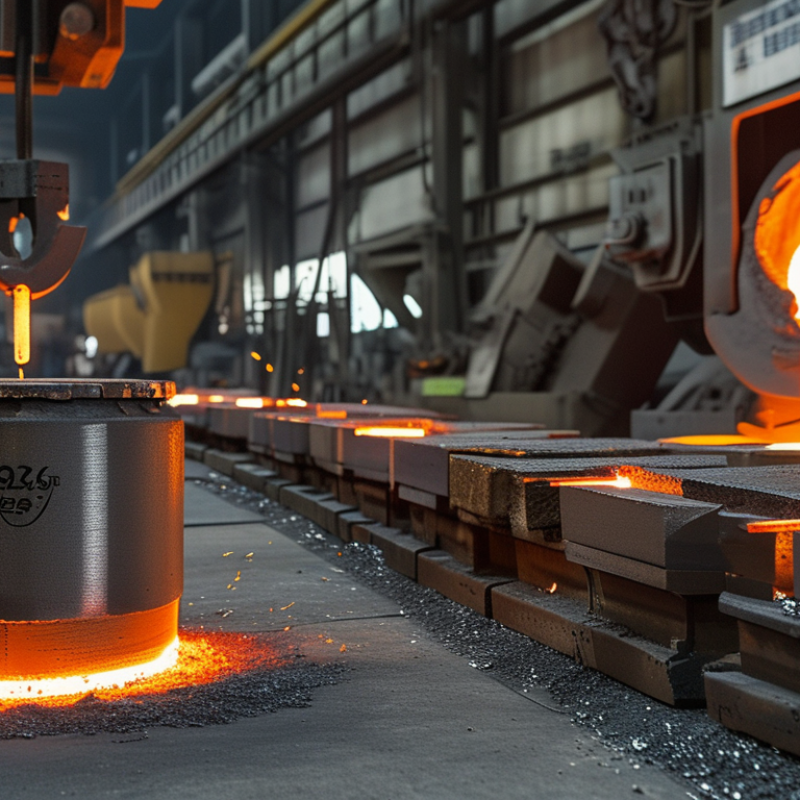
Choosing an electric arc melting furnace in 2026 starts with the metal, not the catalog. Direct arc furnaces suit steel and high-volume scrap because the arc heats the charge efficiently. Indirect arc designs limit electrode contact with the melt and support smaller, cleaner batches. Submerged arc units work well for ferroalloys and materials needing strong thermal penetration. Vacuum arc remelting serves demanding titanium, nickel, and specialty steel applications. It needs strict vacuum control. Different arcs, different jobs.
Match furnace capacity to your real batch size, not your maximum ambition. A 500-kilogram charge behaves differently from a five-ton heat. Check transformer power, electrode diameter, refractory lining, tapping temperature, and cooling-water demand. Operators should review dust capture, noise, interlocks, and emergency shutdowns against local requirements. Require electrical drawings, inspection records, and maintenance intervals from the supplier. Modern controls can record voltage, current, energy use, and melt time. Those records help verify repeatability. However, automation cannot correct poor scrap sorting or damp feedstock. That risk is often underestimated.
For foundries, prioritize flexible charging, fast temperature recovery, and easy slag removal. Recycling operations need tolerance for variable composition and frequent starts. Laboratory users may value atmosphere control more than hourly output. Ask for maintenance access around the furnace shell, tilt mechanism, and electrode system. A site trial should measure energy per kilogram, yield loss, heat uniformity, and downtime. Do not rely on one impressive demonstration. I would question optimistic efficiency figures because they may exclude preheating, cooling, and standby power. No furnace is perfect. Leave room for imperfect materials and imperfect operators.
How to Choose an Electric Arc Melting Furnace in 2026?
Material selection should guide the furnace design. Steel, copper, titanium, and nickel alloys behave differently under an electric arc. Reactive metals may require a controlled vacuum or inert-gas atmosphere. Check the charge form, too. Clean pellets melt more predictably than mixed scrap. A compatible crucible reduces contamination and unexpected reactions. My first estimate was wrong. I once focused on alloy type but ignored surface oxides and moisture. Those details changed the melting time.
Capacity means more than chamber volume. Calculate the usable batch weight, not the advertised maximum. Leave room for electrode movement, thermal expansion, and safe handling. A small laboratory furnace may suit 100-gram trials, while production work demands repeatable kilogram-scale batches. Review the planned batch frequency and cooling time. One large melt is not always more efficient. Several smaller melts may provide better composition control.
Melting temperature must match the material and process method. Confirm the alloy’s liquidus temperature, then allow practical margin for heat loss and mixing. A furnace rated for a high temperature may still perform poorly at that point. Ask for heating curves, power stability data, and temperature measurement accuracy. Use calibrated sensors and record each trial. Arc behavior can fluctuate. Real testing matters more than a single catalog figure. Reconsider the choice after measuring yield, energy use, and final composition.
Power design shapes every melting cycle. Compare AC and DC configurations by capacity, material, and grid conditions. A stable transformer reduces voltage swings during arc ignition. Electrode regulation should react quickly, but not overcorrect. That balance protects the electrodes and keeps the arc steady. Check harmonic control, power-factor correction, and transformer cooling. These details matter during long production runs. They are easy to overlook.
Control features should support operators, not bury them in screens. Look for closed-loop control of arc length, current, voltage, and furnace temperature. Reliable sensors should remain accurate near dust, heat, and vibration. Data logging can reveal unusual energy use before it becomes a costly failure. Interlocks are essential. So are clear alarms. In practical furnace evaluations, simple controls often perform better than impressive but confusing interfaces. This is not always true.
Energy efficiency needs a measurable basis. Request electricity use in kWh per kilogram of melted material, under stated operating conditions. Examine furnace insulation, refractory design, cooling-water demand, and off-gas heat losses. A system that melts quickly may still waste energy during idle periods. Automatic standby settings can help, although poorly tuned settings may slow recovery. Ask for test records, maintenance intervals, and actual load profiles. Marketing estimates can be optimistic. Verify them with a controlled trial using your own feedstock, batch size, and operating schedule.
Choosing an electric arc melting furnace in 2026 requires more than comparing rated capacity. Safety should be checked on the work floor, not only in a brochure. Look for guarded access, reliable door interlocks, emergency stops, water-leak detection, and documented isolation procedures. Ask whether the control system records faults and keeps operators away from heat and arc-flash zones. Verify compliance with applicable electrical, machinery, fire, and workplace-safety requirements before purchase. A qualified safety engineer should review the installation drawings. Small gaps matter.
Maintenance planning should include electrode arms, furnace lining, hydraulic systems, cooling circuits, and dust-collection equipment. Request service intervals, spare-part lead times, and realistic shutdown durations. Inspect cooling-water filters weekly, record pump pressure, and check refractory wear after each campaign. These records can reveal unstable arcs, rising leakage, or abnormal energy use before failure. Still, maintenance estimates are rarely perfect. Dust levels, charge material, and operator habits can change them quickly.
Operating cost includes electricity, electrodes, refractories, cooling water, labor, ventilation, and lost production during repairs. Use measured load profiles rather than the furnace’s maximum rating. A lower purchase price may become expensive when power quality is poor or consumables are difficult to source. Compare cost per melt, yield, cycle time, and planned maintenance hours under similar production conditions. Leave room for surprises. A spreadsheet can still lie when downtime is ignored.
How to Choose an Electric Arc Melting Furnace in 2026?
Selecting a Furnace Based on Budget, Facility, and Future Expansion
Budget should include more than the furnace price. The DOE Industrial Decarbonization Roadmap places typical electric arc furnace use near 400–500 kWh per metric ton. Electricity tariffs can therefore reshape operating costs quickly. Ask for measured energy data from comparable installations, not optimistic estimates. A cheaper furnace may require costly transformers, cooling systems, or foundation changes. That mistake is common.
Facility limits often decide the practical furnace size. Check incoming power, floor loading, ceiling height, water capacity, and fume extraction routes. A 10-ton furnace may appear suitable, but limited substation capacity can create production delays. The International Energy Agency reports that industry remains a major source of global energy demand, making efficiency and power management important investment factors. Harmonic control and demand charges deserve attention, too.
Future expansion needs space and spare capacity. Leave room for a larger transformer, additional charging equipment, and upgraded dust collection. World Steel Association data indicates electric arc furnaces produced roughly 29% of global crude steel in 2023, showing their growing role in lower-carbon production routes. Yet growth assumptions can be wrong. Plan modularly, but avoid paying for unused capacity today. A staged layout may be less impressive, but it is often more realistic. Ask operators to test the design against your actual scrap mix, batch weight, and production schedule. Performance on paper is not always performance on the floor.
| Furnace Configuration | Typical Batch Capacity | Approx. Installed Electrical Power | Typical Melting Throughput | Indicative Equipment Budget (USD) | Typical Facility Requirement | Cooling and Utility Demand | Best-Fit Application | Expansion Potential | Main Selection Risk |
|---|---|---|---|---|---|---|---|---|---|
| Laboratory or Very Small Batch Arc Furnace Single-phase or compact three-phase system | 5–50 kg | 30–150 kW | Approximately 10–80 kg/h | $25,000–$120,000 | Small indoor area; reinforced workbench or compact steel frame; fume extraction required. | Air cooling or a small closed-loop water system; low-to-moderate compressed-air demand. | R&D Alloy trials, education, sample production, and process development. | Limited. Useful as a development unit, but usually not suitable as the first stage of a high-volume plant. | Underestimating the need for industrial ventilation, refractory handling, and material charging equipment. |
| Pilot Three-Phase Arc Furnace Small industrial tilting furnace | 100–500 kg | 150–600 kW | Approximately 0.1–0.6 t/h | $120,000–$450,000 | Dedicated production bay with crane access, slag-removal space, heat-resistant flooring, and controlled operator access. | Closed-loop water cooling is commonly required; dust collection and electrical harmonic control should be planned. | Pilot Production Specialty alloys, small foundries, and low-volume industrial parts. | Moderate. Can validate recipes and operating procedures before investment in a larger furnace. | Insufficient transformer capacity or inadequate dust collection when production hours increase. |
| Compact Production Arc Furnace Small industrial EAF with automated electrode control | 0.5–1.5 t | 0.8–2.5 MW | Approximately 0.5–2.0 t/h | $450,000–$1.5 million | Production building with overhead lifting, charging area, slag handling, furnace transformer, and high-capacity ventilation. | Closed-loop cooling, process water treatment, dust collector, compressed air, and medium-voltage electrical service. | Small Foundry Steel, stainless steel, and selected ferrous-alloy production. | Good. Future options include a larger transformer, improved charging equipment, and a second furnace bay. | Choosing a furnace shell that cannot accept larger electrodes, transformer upgrades, or automated controls. |
| Medium Production EAF Three-phase furnace with hydraulic tilting and automated controls | 2–5 t | 3–8 MW | Approximately 2–6 t/h | $1.5–$4.5 million | Purpose-built melt shop with crane coverage, water-cooled panels, slag bay, charge-material storage, and robust foundation. | Closed-loop cooling, industrial dust extraction, medium-voltage switchgear, transformer, harmonics mitigation, and process control network. | Core Production Jobbing foundries, structural steel, castings, and recurring medium-volume orders. | Very good. Layout can support a second furnace, ladle preheating, automated charging, or increased transformer capacity. | Utility connection delays, insufficient short-circuit capacity, and congestion around charging and slag areas. |
| Large Production EAF High-duty furnace with advanced automation | 10–20 t | 12–35 MW | Approximately 8–25 t/h | $5–$13 million | Large industrial melt shop with heavy-duty foundations, high-bay crane, dedicated substation, extensive raw-material logistics, and fire protection. | High-capacity closed-loop cooling, high-performance baghouse, water treatment, oxygen or carbon injection options, and sophisticated power-quality controls. | High Utilization Continuous or multi-shift steelmaking with stable feedstock and strong order volume. | Excellent, provided the building, substation, dust system, and material-handling routes are sized for additional capacity. | High capital exposure if scrap supply, electricity pricing, workforce capability, or order volume is uncertain. |
| Modular Multi-Furnace Melt Shop Two or more production furnaces with shared auxiliaries | 20–50+ t total installed batch capacity | 25–80+ MW total connected load | Approximately 15–60+ t/h, depending on furnace count and operating cycle | $12–$30+ million | Large integrated facility with multiple crane zones, substations, water-treatment systems, centralized dust collection, rail or truck logistics, and dedicated maintenance areas. | Redundant cooling and dust systems, high-voltage infrastructure, power-factor and harmonic management, oxygen or carbon systems, and advanced production monitoring. | Large-Scale Operations High-volume steelmaking, multiple product grades, and plants requiring production redundancy. | Highest. A modular layout permits staged furnace additions, maintenance redundancy, and product-line separation. | Overbuilding before confirming raw-material availability, grid capacity, environmental permits, and long-term utilization. |