How to Choose the Best Food Packaging Equipment for Your Business?
Choosing the right food packaging equipment is crucial for any successful food business. According to a recent report from the Packaging Machinery Manufacturers Institute (PMMI), the food packaging market is expected to grow to $33.6 billion by 2024. This growth is driven by the city's demand for fresh, safe, and convenience-oriented food products. The right equipment can enhance efficiency and ensure product integrity.
However, not every piece of equipment suits every business model. Factors like production volume, product type, and consumer trends play significant roles in decision-making. A 2022 study from Freedonia Group indicates that over 50% of manufacturers face challenges in aligning packaging technology with their operational needs. This highlights the importance of thorough research and understanding what options exist.
Investing in food packaging equipment is not just about filling a need; it's a commitment to quality and safety. Ignoring industry standards can lead to failures, waste, or even health risks. Businesses may find that cheaper options lead to higher costs in the long run. Thus, focusing on reliable, innovative solutions becomes essential.
Understanding the Different Types of Food Packaging Equipment Available
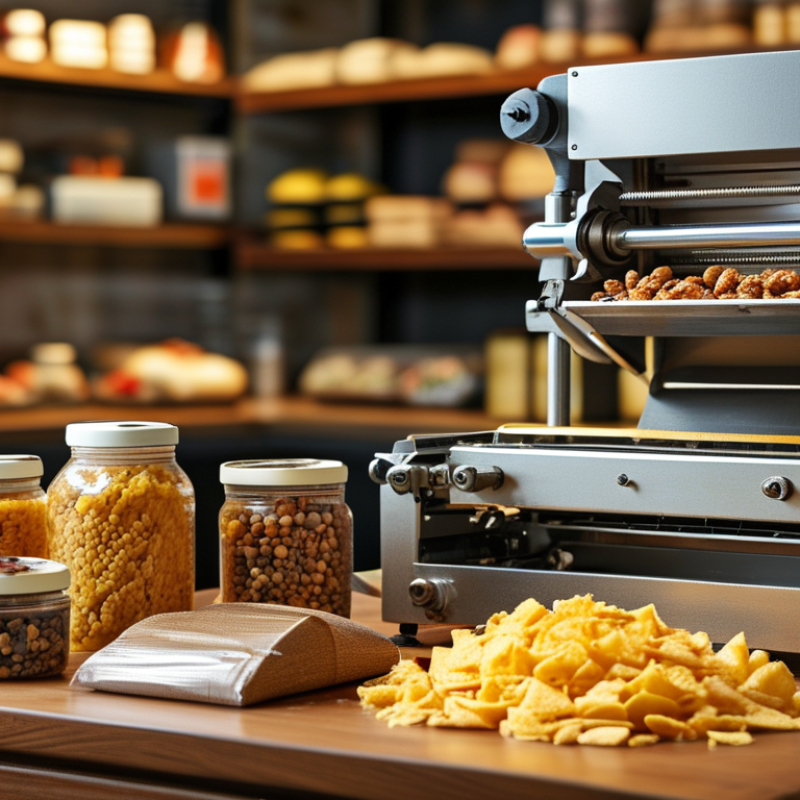
When selecting food packaging equipment, understanding the various types is crucial. Each machine serves a unique purpose. For instance, vacuum sealers remove air from bags to preserve food freshness. They are popular in restaurants and meal prep businesses. Vacuum packing can extend shelf life significantly.
Another essential category is filling machines. These machines accurately dispense food items into containers. They work well for liquids, solids, or powders. Many businesses use them to streamline production and reduce waste. However, choosing a filling machine requires careful consideration of the product's nature.
Labeling equipment is also vital in food packaging. Accurate labels maintain compliance with regulations. Incorrect information can lead to consumer distrust or legal issues. Businesses must prioritize reliable labeling solutions. Maintenance of machinery should not be overlooked. Regular checks can prevent unexpected shutdowns and improve efficiency.
Types of Food Packaging Equipment
This chart illustrates the usage frequency of different types of food packaging equipment in a month. It provides an overview for businesses looking to understand which equipment may be most beneficial for their operations.
Evaluating Production Capacity Needs for Food Packaging Solutions
When assessing production capacity needs for food packaging solutions, several key factors come into play. Understanding your business's volume requirements is essential. If your operation frequently experiences fluctuations in demand, consider equipment that can adapt easily. Capacity should align with your production goals without sacrificing efficiency or quality.
Tips: Conduct a thorough analysis of your current output. Look for patterns in demand over time. This will guide your decision on whether to invest in scalable solutions. You may not always need the largest machine; sometimes, a smaller, more versatile option works better for variable loads.
It's vital to think about future growth. Equipment that meets today's needs might fall short tomorrow. Evaluate whether the machinery can be upgraded or expanded. A rigid system may limit your ability to respond to market changes effectively.
Tips: Gather feedback from operators who use the equipment daily. They often have insights on usability and potential challenges. Regular assessments of capacity can highlight inefficiencies that need adjustment. Engaging your team can lead to innovative solutions that are practical and cost-effective.
How to Choose the Best Food Packaging Equipment for Your Business? - Evaluating Production Capacity Needs for Food Packaging Solutions
| Packaging Equipment Type |
Production Capacity (units/hour) |
Suitable for Product Type |
Average Cost ($) |
Key Features |
| Vertical Form Fill Seal |
30-200 |
Granular, Powder |
15,000 - 25,000 |
High speed, Multi-lane, Easy maintenance |
| Automatic Cartoner |
40-120 |
Bottles, Boxes |
20,000 - 35,000 |
User-friendly controls, Durable construction |
| Shrink Wrapper |
20-100 |
Bundles, Trays |
10,000 - 20,000 |
Compact design, Flexible configuration |
| Labeling Machine |
50-300 |
Jars, Bottles |
5,000 - 15,000 |
Accurate labeling, Quick changeover |
Considering Regulatory Compliance and Safety Standards in Food Packaging
When choosing food packaging equipment, regulatory compliance is critical. Food businesses must adhere to safety standards set by organizations like the FDA and USDA. Non-compliance can lead to fines, product recalls, and damage to reputation. The global food safety market was valued at $15.4 billion in 2020 and is expected to grow significantly. This highlights the importance of investing in compliant packaging solutions.
Different regions have various compliance requirements. For instance, in Europe, the EU regulations on materials intended to come into contact with food must be followed. Packaging equipment must not only protect the product but also ensure that it doesn’t contaminate food. The right machinery should be evaluated based on its certification. Equipment that meets ISO and HACCP standards is preferable.
While technology advances, challenges remain. Operators need adequate training to manage these systems correctly. Inadequate understanding can lead to errors. Moreover, regular maintenance checks are vital to stay compliant. Failure to do so could endanger public health and lead to legal repercussions. Hence, it’s essential to select machinery that partners with the company's values on safety and quality.
Analyzing Cost Efficiency and Return on Investment for Packaging Equipment
When analyzing the cost efficiency and return on investment (ROI) for food packaging equipment, several factors come into play. A 2022 industry report indicated that effective packaging can enhance shelf life by up to 25%. This leads to reduced spoilage and waste, directly impacting overall costs. Choosing the right equipment not only affects initial investments but also long-term savings as efficient operations can lower overtime and labor costs.
One consideration is the acquisition cost versus the energy consumption of packaging machines. Energy-efficient models may have a higher upfront cost but can save up to 30% on energy bills. This trade-off requires careful analysis. Evaluating maintenance costs is also crucial. Regular servicing can mitigate unexpected downtime, preserving your production schedule and profits. Reports suggest that scheduled maintenance can increase equipment lifespan by an average of 20%.
Balancing these factors is essential. Companies often overlook hidden costs, such as training staff on new systems. Not addressing these can lead to suboptimal use of equipment, eroding potential savings. Ensuring that your chosen equipment aligns with operational goals while providing measurable ROI is a complex but necessary task.
Exploring Technological Innovations in Food Packaging Equipment Industry
The food packaging equipment industry is rapidly evolving. Innovations are shaping how food products are stored, transported, and preserved. New technologies improve efficiency and sustainability in production lines. They help businesses reduce waste and extend shelf life.
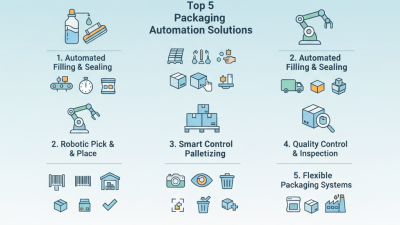
Automation is a key focus. Automated packaging machines speed up processes and minimize human error. These machines can adapt to various product sizes and shapes, enhancing flexibility. Smart sensors provide real-time monitoring. This ensures quality control and timely maintenance.
Companies are exploring biodegradable materials, which reflect growing environmental concerns. These alternatives can replace traditional plastics, reducing the industry's carbon footprint. However, challenges remain in durability and cost-effectiveness. Balancing sustainability and functionality requires ongoing research and development. Emphasizing innovation is essential for staying competitive in this market. Adopting the latest advancements can be a game changer for businesses.