How to Choose the Best Robotic Forklift for Your Business?
In today's fast-paced warehouse and logistics sectors, choosing the right equipment is crucial. The use of Robotic Forklifts is on the rise, driven by the need for efficiency. According to a recent report by Research and Markets, the global robotic forklift market is expected to grow at a CAGR of over 14% through 2028. This rapid growth reflects businesses' increasing reliance on automation to enhance productivity and reduce labor costs.
Robotic Forklifts offer numerous advantages, such as increased accuracy and reduced operational costs. However, selecting the best one requires careful consideration of various factors. Different models serve distinct needs, whether in large-scale distribution centers or smaller warehouses. Technical specifications, load capacity, and compatibility with existing systems should all be evaluated. Industry experts also suggest assessing the long-term return on investment, as initial costs can be significant.
Not all Robotic Forkflifts are created equal, and mistakes in selection can lead to operational inefficiencies. Companies must reflect on their unique requirements and future growth plans. Balancing automation benefits with practical limitations is vital in this decision-making process. Hence, thorough research and consultation with industry professionals can aid in finding the best solution tailored to specific business scenarios.
Understanding the Different Types of Robotic Forklifts Available
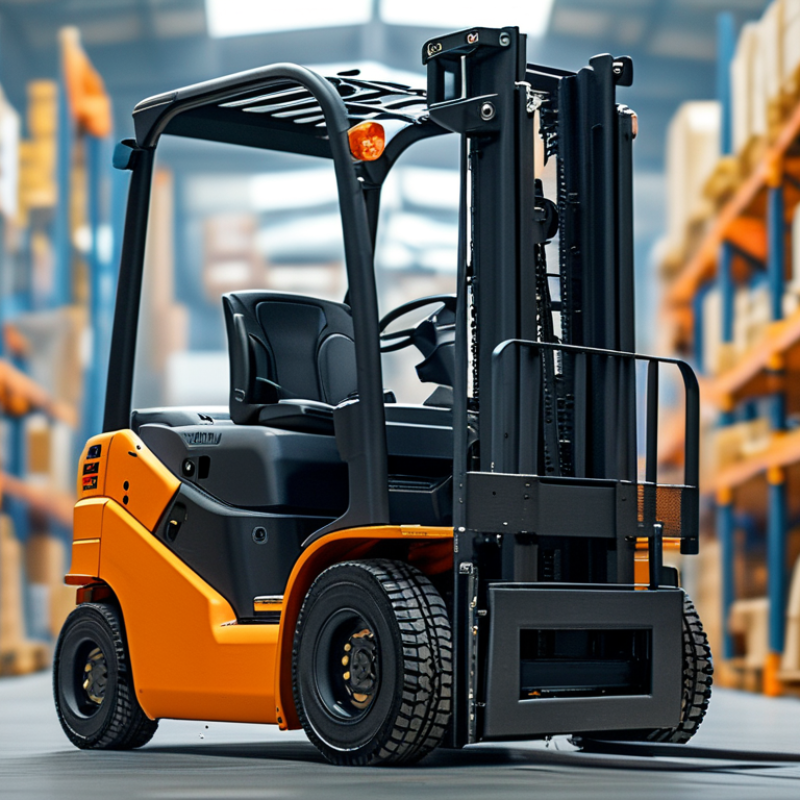
When selecting a robotic forklift, it's crucial to understand the different types available. These forklifts vary significantly in design and functionality. For instance, autonomous mobile robots (AMRs) are engineered for transporting goods autonomously within warehouses. According to a report by the Warehouse Robotics Association, AMRs can improve operational efficiency by up to 40%. They are excellent for environments with dynamic layout changes.
Conversely, narrow aisle forklifts employ advanced navigation systems to operate in tight spaces. Data shows that narrow aisle solutions can increase storage density by 30% without sacrificing accessibility. Yet, their complexity may pose challenges during installation and training. Companies must consider the existing layout and space limitations before committing to this type.
Additionally, pallet stackers are ideal for lifting pallets in various settings. They are often more affordable but may require manual oversight. The choice may depend on specific business needs, such as load size, frequency of use, and available workforce. Misaligning your choice with operational needs can lead to inefficiencies. Reflecting on these factors is vital to ensure that your investment yields the desired productivity benefits.
Assessing Your Warehouse Layout and Operational Needs
When assessing your warehouse layout for robotic forklifts, it's essential to consider space utilization. Measure your aisle widths carefully. If aisles are too narrow, a robotic forklift won't maneuver efficiently. Many facilities overlook the height of shelves. Higher shelves require forklifts that can reach those heights adequately.
Analyze workflow patterns in your warehouse. Understand where goods enter and exit. Identify high-traffic areas. Robotic forklifts should operate where they encounter the least resistance. If your operations are seasonal, flexibility is crucial. A forklift that works well year-round may not be suitable for peak times.
Evaluate your operational needs closely. Different types of robotic forklifts serve various purposes. Consider the specific tasks you need them for—loading, unloading, or transporting. Not every model will excel in every situation. Reflect on past operational challenges. Addressing these issues may guide you toward the right choice.
How to Choose the Best Robotic Forklift for Your Business?
| Feature | Description | Importance Level |
| Load Capacity | Maximum weight the forklift can handle | High |
| Maneuverability | Ability to operate in tight spaces | Medium |
| Battery Life | Duration the forklift can operate before recharging | High |
| Navigation Technology | Type of navigation system used (LIDAR, visual, etc.) | High |
| Size and Dimensions | Physical dimensions of the forklift | Medium |
| Integration Capabilities | Ability to integrate with existing warehouse systems | High |
| Cost | Initial investment and operational costs | High |
Evaluating Key Features and Specifications of Robotic Forklifts
When selecting a robotic forklift for your business, it is vital to evaluate key features and specifications carefully. One crucial aspect is load capacity. Understand the maximum weight the forklift can handle. This directly impacts operational efficiency. A forklift that can’t lift your loads comfortably will create delays.
Another important factor is navigation technology. Robotic forklifts use various methods to navigate. Some rely on laser mapping, while others use vision systems. Each has its strengths and weaknesses. Choose a system that fits your warehouse layout and inventory dynamics. Maneuverability is critical; tight spaces require a more agile design.
Battery life also holds significance. A forklift with a shorter operational period might need frequent recharging. This can slow down productivity. Consider options with quick-charging features or extended battery life. Additionally, examine the maintenance requirements. Some models may demand more attention than others. A complicated maintenance schedule can lead to downtime. Always weigh these aspects against your human resources and budget constraints.
Comparing Costs and Return on Investment for Robotic Solutions
When considering robotic forklifts, understanding the cost and potential return on investment is crucial. Initial costs can vary widely. Some units might seem affordable, but hidden costs can add up. Maintenance, training, and implementation expenses need careful evaluation. Investing in a robotic forklift isn't just about the upfront price.
Return on investment (ROI) can be significant over time. Robotic solutions often boost efficiency and reduce labor costs. A study showed that businesses using these forklifts saw productivity increases of 20-30%. However, not all environments are ideal for automation. Analyzing your workflow is essential. A poorly implemented system can result in wasted resources and frustration.
Flexibility is another important factor. Your choice of robotic forklift needs to fit your specific needs. Assess whether the robotic forklift adapts to your existing infrastructure. Evaluating costs against potential gains helps make an informed decision. Remember, while automation offers many advantages, it requires thoughtful planning.
Researching Manufacturer Reputation and Customer Support Options
When selecting a robotic forklift, evaluating the manufacturer’s reputation is crucial. According to a study by the Material Handling Industry, over 70% of businesses prioritize reliability and support over price when choosing equipment. A manufacturer with a solid reputation often indicates quality in their products. Checking customer reviews and case studies can provide insights into how these machines perform in real-world scenarios.
Customer support options must be considered, too. A report from the Warehouse Equipment Manufacturers Association highlights that 68% of companies experience downtime due to inadequate support and maintenance. Efficient service can minimize operational disruptions. Factors like response time and technical assistance availability should be carefully assessed. Investigate whether the manufacturer provides training programs. This can enhance staff competence, leading to better productivity.
Not all manufacturers excel in transparency. Some may understate potential issues in their products. Approach reliability claims with a critical mindset. Investigate any patterns in negative feedback. Many businesses have faced challenges that emerged from insufficient support, leading to frustration and loss of trust. Understanding these aspects will guide you in making a more informed choice.
Robotic Forklift Features Comparison