How to Choose the Right Wheel Hub Assembly for Your Vehicle?
Choosing the right Wheel Hub Assembly for your vehicle can be challenging. Many car owners overlook this crucial component, often leading to issues down the line. A Wheel Hub Assembly plays a key role in your vehicle’s safety and performance. It connects the wheels to the suspension system, enabling smooth movement and maintaining stability on the road.
When selecting a Wheel Hub Assembly, consider your vehicle’s make and model. Compatibility is essential for optimal performance. Research the brands available in the market. This will ensure you’re investing in a reliable product. A trusted manufacturer often guarantees quality and durability. Be sure to read reviews and seek professional insights.
Reflect on your vehicle's specific needs. For instance, if you drive in rough conditions, a robust assembly is paramount. Sometimes, even trusted products can have flaws. Make sure to check the warranty, as it can indicate the manufacturer's confidence in their product. Balancing cost and quality is vital for making an informed decision. Ultimately, the right Wheel Hub Assembly leads to safer travels.
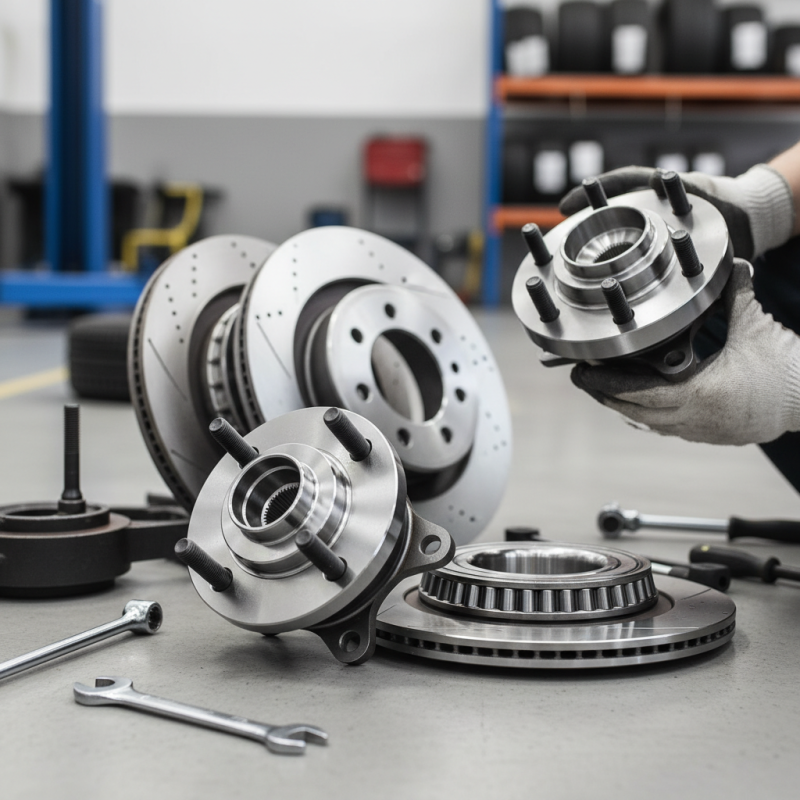
Understanding Wheel Hub Assembly: Function and Importance
The wheel hub assembly plays a crucial role in your vehicle's performance. It connects the wheel to the axle and allows for smooth rotation. A well-functioning hub assembly ensures stability during driving. It is also responsible for carrying the load of the vehicle. When this component malfunctions, you may notice unusual noises or vibrations. These signs should not be ignored.
Choosing the right wheel hub assembly involves understanding its function. It houses the wheel bearings, which reduce friction. If the bearings wear out, they can affect wheel alignment and overall safety. Inspect your vehicle regularly to avoid potential hazards. Look for signs of corrosion or damage. It may seem tedious, but keeping an eye on your hub assembly can save you from costly repairs.
Consider consulting a professional if you're unsure. They can provide insights specific to your vehicle type. However, take the time to educate yourself on the hub assembly. Research its components and function thoroughly. Your knowledge can empower you to make informed decisions. Remember, safety on the road is paramount. A reliable wheel hub assembly contributes significantly to that safety.
Identifying the Correct Specifications for Your Vehicle Model
Choosing the right wheel hub assembly requires attention to your vehicle’s specifications. Each vehicle model has unique requirements. It's essential to refer to the owner’s manual for detailed information on hub assembly specifications. This will ensure compatibility and optimal performance.
Consider the year, make, and model of your vehicle. These details influence the type of wheel hub assembly needed. Pay attention to the number of bolt holes, hub diameter, and bearing type. Even slight variations can affect fitment. For example, a two-wheel drive may have different needs than a four-wheel drive.
Additionally, don’t overlook the quality of the materials used in the assembly. Low-quality materials can lead to premature wear. Look for assemblies that feature durable finishes and high-grade bearings. It’s wise to seek expert advice if you're uncertain. Mistakes in selection can lead to safety hazards and costly repairs. Ensure your choice is well-informed and aligned with your vehicle’s requirements.
Evaluating Material Quality and Durability of Wheel Hubs
Selecting the right wheel hub assembly for your vehicle starts with evaluating the material quality and durability of the hubs. High-quality wheel hubs are typically made from forged steel or aluminum. Studies show that forged steel hubs outperform cast iron and plastic options in terms of strength and longevity. According to a recent industry report, vehicles fitted with high-grade hubs experience a 30% reduction in failure rates compared to those using lower-quality materials.
Another key consideration is the surface treatment of the hub. Hubs that undergo treatments like powder coating or galvanization offer enhanced corrosion resistance. Research indicates that untreated hubs have a significantly shorter lifespan in adverse weather conditions. A recent survey highlights that 60% of wheel hub failures are linked to poor material choices.
It's important to assess the source of the materials used. Not all manufacturers adhere to the same quality standards. Some might cut costs, impacting durability. Despite rigorous testing, even high-quality hubs can present issues if poorly manufactured. It's essential to remain vigilant and consult with trusted experts or resources when choosing your wheel hub assembly. This vigilance ensures safety and performance on the road.
How to Choose the Right Wheel Hub Assembly for Your Vehicle? - Evaluating Material Quality and Durability of Wheel Hubs
| Material | Durability Rating (1-10) | Heat Resistance (°F) | Corrosion Resistance (1-10) | Weight (lbs) |
| Cast Iron | 7 | 800 | 6 | 30 |
| Aluminum Alloy | 8 | 950 | 8 | 25 |
| Plastic Composite | 5 | 700 | 5 | 10 |
| Carbon Steel | 9 | 1000 | 7 | 28 |
| Stainless Steel | 10 | 1200 | 10 | 32 |
Considering Brand Reputation and Warranties Before Purchase
When selecting a wheel hub assembly, brand reputation matters. Trusted brands often provide high-quality products. They invest in research and development, ensuring reliability. A reputable brand’s history speaks for itself. Their long-standing presence in the market often reflects their commitment to excellence.
Warranties also play a crucial role. A solid warranty can offer peace of mind. It reflects the manufacturer’s confidence in their product. Often, a longer warranty symbolizes greater durability. However, read the fine print carefully. Some warranties may have hidden limitations. Checking customer reviews can reveal common problems with a specific brand or model. This insight can help avoid poor choices.
Making an informed decision is often challenging. Many buyers overlook these factors and experience issues later. It’s essential to trust your instincts. If something feels off, rethink your options. Investing time in research can save you from future headaches. The wrong assembly could lead to unsafe driving conditions.
Brand Reputation vs Warranty Duration for Wheel Hub Assemblies
Installation and Maintenance Tips for Wheel Hub Assemblies
When it comes to wheel hub assembly, proper installation is crucial. A study by the Automotive Aftermarket Suppliers Association (AASA) indicates that improper installation can lead to a 30% faster wear rate on components. It’s vital to ensure all bolts are torqued to manufacturer specifications. This practice helps in maintaining the integrity of the assembly.
Regular maintenance is key in prolonging the lifespan of the wheel hub assembly. Many experts suggest checking the hub for any signs of wear or damage at least once a year. Inspect seals and bearings for any cracks or leaks. Tapered roller bearings are particularly vulnerable to contamination. A clean installation area can significantly reduce the chance of dirt entering the hub assembly.
Listening to your vehicle is also essential. Unexplained noises can be an early warning sign of issues. A study shows that 15% of vehicle owners ignore odd sounds, leading to severe problems later. Addressing these signs early can save time and money. Always prioritize quality over speed during installation. Taking shortcuts can create more significant issues down the line.