How to Choose the Best Clay Brick Moulding Machine for Your Needs?
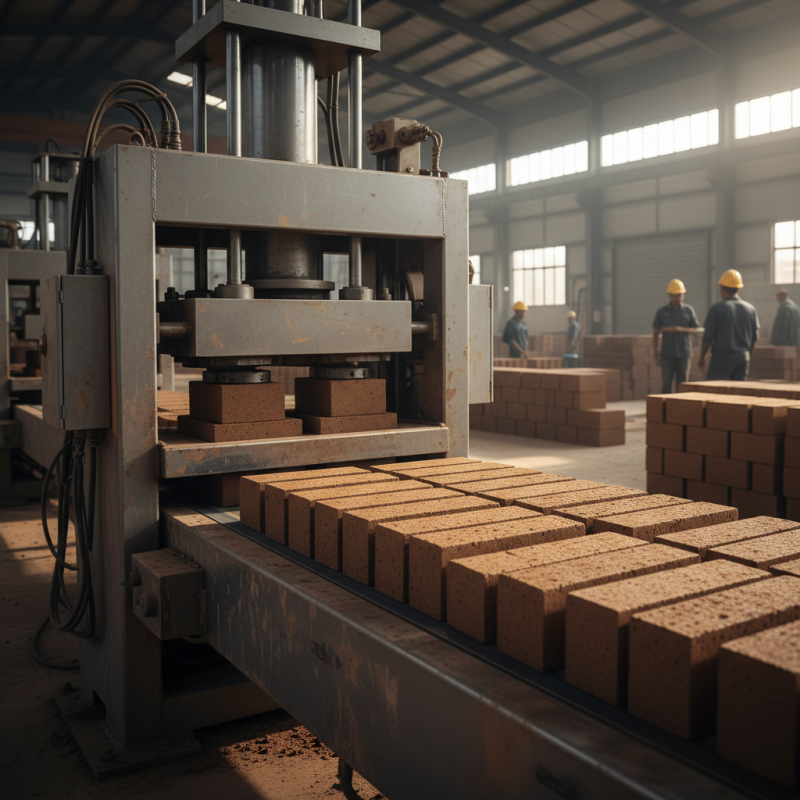
Choosing the best Clay Brick Moulding Machine is crucial for brick manufacturers. This equipment shapes clay into bricks with precision and efficiency. However, selecting the right machine can be overwhelming. Various options exist, each with unique features and price points.
Understanding your specific needs is essential. Think about the production volume you require. Consider the type of clay you'll be using. Some machines excel with certain clay types, while others may struggle. Make sure you research various manufacturers. Look for reviews and testimonials. Reliable feedback can help you make an informed decision.
Lastly, maintenance and support are significant factors to ponder. Investing in a machine with robust support will benefit you in the long run. Even a reliable machine may need servicing. Choosing wisely can save you time and money in the future.
Understanding the Different Types of Clay Brick Moulding Machines
Selecting the right clay brick moulding machine is crucial. Different types of machines cater to various production needs. Understanding these types helps ensure efficiency and quality.
There are manual, semi-automatic, and fully automatic machines. Manual machines are budget-friendly and ideal for small-scale operations. They require more labor and time. Semi-automatic options strike a balance, offering both efficiency and hands-on control. Fully automatic machines cater to larger projects and high production rates. They reduce labor costs but may involve higher initial investments.
Consider the size and type of bricks you plan to produce. Some moulding machines may handle only standard sizes. Others offer flexibility for custom shapes. Pay attention to production capacity and energy consumption. Finding a machine that meets your unique requirements will streamline your workflow. Remember, investing in the right equipment can save time and improve product quality in the long run.
Key Factors to Consider When Selecting a Clay Brick Moulding Machine
When selecting a clay brick moulding machine, consider several key factors. The machine's capacity is crucial. Evaluate how many bricks you need to produce daily. This will guide your choice. Think about the available space in your workshop. Some machines require more room than others. A compact option may work better for smaller operations.
Another important aspect is the machine's ease of use. Operators should be able to learn its functions quickly. Look for intuitive controls that simplify the process. Maintenance is equally vital. Machines that are hard to maintain can lead to production delays. Regular servicing should not be a headache.
Power consumption is often overlooked, yet it impacts your overall costs. Machines with high energy efficiency can lead to significant savings over time. Assess the materials used in construction. Quality and durability affect longevity. Investing in a reliable machine may seem costly upfront but pays off in the long run. Don't forget to examine user reviews or seek expert opinions. These insights can help you avoid potential pitfalls. Balancing all these factors will ensure you make a sound decision.
Evaluating the Production Capacity and Efficiency of Moulding Machines
When selecting a clay brick moulding machine, evaluating the production capacity and efficiency is vital. The production capacity often varies between machines. For example, some machines can produce up to 10,000 bricks per hour. This number greatly impacts the overall productivity of your brick production line. Efficiency, on the other hand, refers not only to the speed but also to the energy consumption during the process.
A report from the Brick Industry Association states that efficient moulding machines can reduce energy costs by up to 30%. This is significant for manufacturers aiming to lower operational costs. The design of the moulding machine also plays a role in efficiency. Machines with better hydraulic systems often have smoother operational flows, leading to fewer disruptions.
Tips: Look for machines with adjustable settings, allowing you to change production rates based on market demands. Ensure the machine’s parts are easily replaceable to avoid long downtimes. Regular maintenance is essential for efficiency; even the best machines need care. Consider incorporating machines that allow for quick adjustments; this flexibility can lead to improved production responsiveness.
Analyzing Cost vs. Performance in Clay Brick Moulding Equipment
When choosing a clay brick moulding machine, cost and performance must be balanced. A machine that meets your production needs can save you money in the long run. However, selecting the cheapest option may result in poor quality bricks, leading to further expenses. These trade-offs can affect your overall efficiency and profitability.
Consider the machine's output capacity. If it doesn’t align with your production goals, you may face delays. Investing in a machine with better performance can pay off. Reliability is also key. A machine that breaks down frequently adds to maintenance costs and disrupts your workflow. You deserve equipment that meets industry standards.
Tips to consider: Always request specifications before purchasing. Assess energy consumption as high operational costs can creep up. Also, review user feedback. Not all machines perform equally, and real-life experiences can reveal important insights. A little research can safeguard your investment from regrettable choices.
Cost vs. Performance Analysis of Clay Brick Moulding Machines
Assessing Maintenance Requirements and Support Services for Moulding Machines
When choosing a clay brick moulding machine, it's essential to consider maintenance requirements. Regular upkeep ensures optimal performance. Machines with accessible parts allow easy cleaning and repairs. This affects downtime and productivity. Having spare parts readily available can save a lot of time.
Support services play a crucial role as well. A good supplier should provide guidance during installation. They should offer training for your staff too. This can reduce mistakes and improve efficiency. Be cautious of companies that lack responsive support. You might find yourself facing costly delays.
Think about the long-term relationship with your supplier. Maintenance schedules can be tricky. Some machines may need frequent checks, while others can run longer without issues. Understanding these nuances can help you make informed decisions. Invest the time to explore these aspects for better outcomes.