How to Choose the Best Fertilizer Equipment for Your Needs?
Choosing the right fertilizer equipment is crucial for effective agricultural practices. According to the Fertilizer Institute, U.S. fertilizer consumption reached 24 million tons in 2021, highlighting the industry's importance. Experts suggest that investing in quality equipment can significantly enhance crop yield and sustainability.
Dr. Mary Collins, an agricultural engineer, states, "Selecting the right fertilizer equipment is a game-changer for farmers." This reflects the need for specialized tools that fit individual farming requirements. The diversity of fertilizer types and application methods means one size does not fit all. Understanding soil types and nutrient needs can guide farmers in their choices.
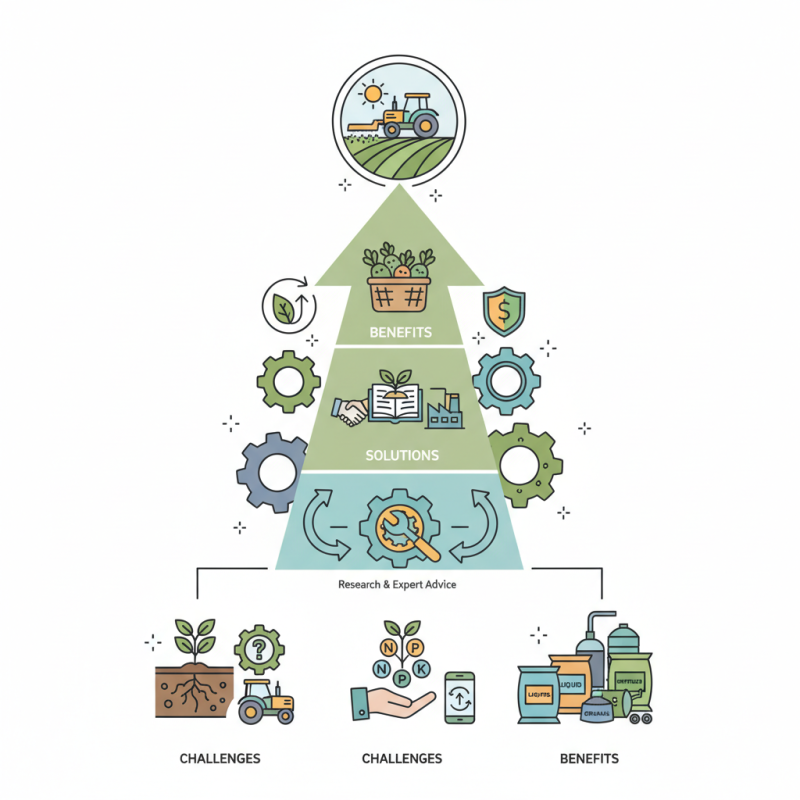
Farmers often face challenges in equipment selection. Misjudging the required features can lead to inefficiencies. Furthermore, staying updated on the latest technology is essential. Many producers struggle with finding reliable suppliers that offer quality products. Therefore, it’s vital to seek expert advice and conduct thorough research to make informed decisions in fertilizer equipment investments.
Understanding the Different Types of Fertilizer Equipment Available
When selecting fertilizer equipment, understanding the available types is crucial. There are several categories of fertilizer equipment, including spreaders, injectors, and applicators. Each type serves specific needs and crop requirements, making informed choices vital for maximizing efficiency.
Spreader types include broadcast, drop, and liquid models. Broadcast spreaders are efficient for large areas. Drop spreaders offer precision but cover less ground. Liquid applicators facilitate even distribution, especially in liquid fertilizers. Reports indicate that proper equipment selection can enhance crop yield by up to 30%. This data highlights the importance of investing in the right tools.
Tips: Assess your field size before purchasing. Smaller farms might benefit from manual spreaders. Larger operations may need high-capacity models. Consider soil type, crop growth stage, and fertilizer options. Evaluating equipment for your specific needs is essential to achieve better results.
Reflecting on your current setup is key. It’s common to overlook the benefits of modern technology. Seeking advice from agricultural experts can help refine your choices. Staying updated with advancements in fertilizer technology will ensure your equipment remains effective and reliable.
How to Choose the Best Fertilizer Equipment for Your Needs?
| Type of Fertilizer Equipment | Description | Best For | Price Range |
| Broadcast Spreaders | Distributes fertilizer evenly over a large area. | Large lawns and open fields. | $50 - $300 |
| Drop Spreaders | Dropping the fertilizer directly below the spreader. | Flower beds and garden rows. | $100 - $400 |
| Liquid Fertilizer Sprayers | Apply liquid fertilizers via spray nozzles. | Greenhouses and vegetable gardens. | $75 - $500 |
| Fertilizer Injectors | Injections of fertilizers into irrigation systems. | Commercial farms and large-scale gardens. | $150 - $800 |
| Compost Spreaders | Distributes compost evenly across a surface. | Organic farming and gardening. | $200 - $1,200 |
Assessing Your Soil and Crop Nutrient Needs
Understanding your soil and crop nutrient needs is crucial for effective fertilization. Soil testing is essential. According to the USDA, many farmers overlook this step. A soil test reveals pH levels, nutrient content, and organic matter. This data helps determine which nutrients are lacking. For instance, 70% of farms could benefit from tailored nutrient strategies based on soil tests.
Crop nutrient requirements vary significantly. Different crops have unique needs. For example, corn typically requires high nitrogen levels. In contrast, soybeans fix nitrogen, so their needs differ. A study from the Agronomy Journal showed that tailored fertilizers can improve yield by 25%. Assessing these needs can help farmers avoid over-fertilizing or wasting resources.
Farmers often struggle with balancing nutrients. Too much nitrogen can lead to runoff, harming waterways. Moreover, under-fertilizing can limit crop growth. Research indicates a 30% yield drop can occur without proper nutrient management. Utilizing soil tests responsibly can help mitigate these risks and lead to sustainable farming practices.
Evaluating the Size and Capacity of Fertilizer Equipment
When selecting fertilizer equipment, size and capacity are crucial factors. Understanding the dimensions of your land helps determine the equipment you need. For small gardens, lightweight spreaders work well. In contrast, larger farms benefit from bulk systems. It’s essential to evaluate your land's specific needs before making a decision.
Capacity also plays a vital role. Consider how much fertilizer you apply regularly. For occasional use, smaller tanks suffice. For extensive operations, larger, high-capacity models are necessary. Take note, though; overestimating your requirements can lead to excess waste and lower efficiency. Misjudging capacity could also mean frequent refills, which disrupts workflow.
It's important to remember that every piece of equipment has its limitations. Some machines may not perform well in certain soil types or steep terrains. Be aware of these aspects and assess if the equipment can handle your operational challenges. Balance between size and your specific application needs can ensure effective fertilization.
Considering the Cost and Budget for Fertilizer Equipment
When considering fertilizer equipment, cost plays a crucial role. The available options often vary significantly in price. It is essential to assess your budget carefully. Identify what you can afford without compromising essential features. Quality fertilizer equipment should last for several seasons. But if you overspend, it can strain your finances.
Always balance cost with efficiency. Sometimes, cheaper equipment lacks durability. Investing a bit more can lead to better savings in the long run. Look for equipment that requires minimal repairs. Ask for reviews to understand the experiences of other users. They can provide insights into reliability.
Tips: Research local suppliers. Compare prices and features directly. This helps in finding the best value. Consider the future needs of your operations. Expandability options can make an initial investment worthwhile. Your choices today can impact productivity later.
Fertilizer Equipment Cost Analysis
Maintenance and Durability Factors to Look For in Equipment
When selecting fertilizer equipment, maintenance and durability are crucial. Many reports indicate that approximately 30% of equipment failures stem from poor maintenance practices. Regular checks can prevent costly repairs down the line. It's important to assess the materials used in construction. Steel frames, for instance, resist rust and wear better than cheaper alternatives.
Additionally, consider the ease of servicing. Equipment with readily accessible parts can save time and money. A recent survey highlighted that 40% of operators prefer systems that offer modular designs. This design allows for quick replacements and upgrades, enhancing overall efficiency.
Don't overlook the importance of a manufacturer's track record. A report from the Fertilizer Equipment Manufacturers Association (FEMA) reveals that reputable manufacturers often provide extensive warranties. Such warranties signal confidence in their product's longevity. It’s prudent to gather insights from peers in the industry to gauge real-world performance and maintenance experiences. Remember, investing in reliable equipment today can prevent headaches tomorrow.