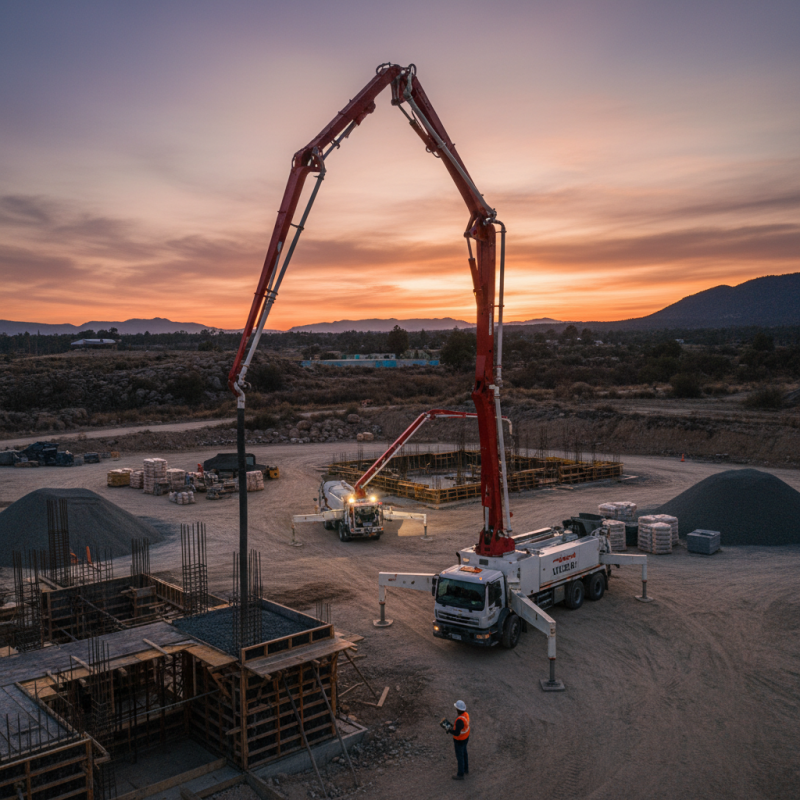
How to Choose the Right Schwing Concrete Pump for Your Project?
Choosing the right Schwing concrete pump can significantly impact your project's success. There are many factors to consider. The size of the project is crucial. For small tasks, a compact Schwing model may be sufficient. However, larger projects often require a more robust solution.
It's vital to assess the specific requirements of your construction site. Terrain type and access points play significant roles. For instance, if the job site is hard to reach, a Schwing pump with greater mobility is needed. Furthermore, consider the concrete flow rate. Not all tasks require the same speed.
Selecting a Schwing concrete pump involves critical thinking. You might feel overwhelmed by options. However, understanding your project’s unique needs can lead you to the right choice. Take time to reflect on the details and avoid rushing the decision. Each project has its nuances that deserve individual attention.
Understanding Different Types of Schwing Concrete Pumps
When selecting a Schwing concrete pump, it's essential to understand the different types available. First, consider your project's size. A larger project may need a truck-mounted pump. This type can cover significant distances and deliver large volumes of concrete efficiently. Smaller projects can benefit from a trailer-mounted pump, which is more portable and easier to maneuver.
Tips: Assess your job site’s layout. If space is tight, a compact pump can fit in better.
Next, look at the pump's output capacity. Some pumps can handle heavy aggregate mixes. Others specialize in fine concrete materials. Choosing the right pump affects your pour quality. If you're unsure, consult with an expert who can offer guidance on material compatibility.
Tips: Always check the pump's pressure ratings. High pressure can cause issues if too much force is applied.
Pumps also vary in their reach capabilities. Some can extend far to deliver concrete vertically. Others are limited in range but excel in horizontal delivery. Not every job requires the same reach. Think about where the concrete needs to go.
Tips: Take measurements of your site. Identify potential obstacles that could hinder the pump's reach.
How to Choose the Right Schwing Concrete Pump for Your Project?
Identifying Your Project's Concrete Requirements
When selecting a concrete pump, understanding the project's specific concrete requirements is essential. Consider the volume of concrete you need to pump. Smaller tasks might require less powerful pumps, while larger jobs need more robust machinery. Evaluate the distance and height the concrete must travel. These factors can greatly influence the type of pump necessary for efficient operation.
The type of concrete mixture is also crucial. Some mixtures are denser or more abrasive than others. This can affect the pump's performance and longevity. You may find standard pumps struggle with thicker mixtures. Always have a clear picture of the concrete's consistency before making your choice. Additionally, asking for advice from experienced colleagues can provide valuable insights.
Budget considerations come into play too. Balancing quality and cost can be tricky. It is easy to overspend on an overly powerful pump that you do not need. In contrast, underestimating your requirements may lead to project delays. Finding a middle ground requires careful assessment and sometimes tough decisions. Remember, concrete pumping is a vital part of the construction process; getting it right is essential for overall project success.
Evaluating Pump Specifications and Performance
When selecting a concrete pump, evaluating its specifications is vital. The pump's output capacity is crucial. Match it with your project scale. Smaller projects often need less capacity, while larger ones demand more. Check the maximum delivery distance too. A pump that can reach far is beneficial. This saves time and labor costs on-site.
Performance specs matter as well. Look into the concrete mix types the pump can handle. Not all pumps work with thicker mixes. You might face challenges if you choose the wrong one. Efficiency is another area to evaluate. A pump that operates slowly increases the project timeline. Fast pumps can lead to more substantial productivity, which is often overlooked.
Cost is also a significant factor. A high initial cost might seem appealing due to better specs. However, maintenance costs can add up. Some pumps require regular repairs, which can impact your budget. Reflect on your long-term needs versus short-term savings. Make sure the pump meets your requirements in every aspect to avoid future complications.
Budgeting for Your Schwing Concrete Pump Purchase
When budgeting for a concrete pump purchase, understanding costs is essential. Typically, concrete pump prices can vary significantly. Reports suggest average costs range from $20,000 to $100,000. Factors influencing these prices include pump type, capacity, and features. A higher capacity often means a higher price. Custom specifications can further increase expenses.
Additionally, maintenance and operating costs should be factored in. According to industry analysis, annual maintenance can account for 10-15% of the purchase price. This may not be obvious at first, but it adds up. Some buyers overlook these ongoing costs. A concrete pump is a long-term investment. Understanding full costs is crucial for financial planning.
It's also important to consider financing options. Many buyers face challenges in securing favorable terms. Research shows that about 30% of new equipment buyers struggle with budget constraints. This often leads to choosing lower-quality equipment. It’s a trade-off that can affect project outcomes. Keeping a close eye on all associated costs will lead to better decision-making.
How to Choose the Right Schwing Concrete Pump for Your Project? - Budgeting for Your Schwing Concrete Pump Purchase
| Model | Max Output (m³/h) | Max Pressure (bar) | Weight (kg) | Approx. Price (USD) |
| Model A | 50 | 30 | 3500 | 60,000 |
| Model B | 70 | 34 | 4000 | 80,000 |
| Model C | 90 | 40 | 4500 | 100,000 |
| Model D | 110 | 45 | 5000 | 120,000 |
Assessing Service and Support Options for Your Pump
When selecting a concrete pump, assessing service and support options is crucial. A reliable service team ensures your project runs smoothly. Look for companies that offer technical support. You want to know that help is available when you need it.
Tips: Ask potential suppliers about their response times. Fast assistance is valuable during emergencies. Check if they provide training for your crew. Well-trained operators can reduce mishaps and downtime.
Also, consider maintenance plans. Some pumps require regular upkeep to remain efficient. A good support service will offer maintenance schedules. Understand what parts might need replacement over time. This can prevent surprises during your project’s timeline.
Reflect on the long-term relationship with your supplier. Regular communication can enhance your project's success. Choose a supplier who values after-sales service as much as sales.