What is a Dynamic Vacuum Pump System and How Does it Work?
A Dynamic Vacuum Pump System is an innovative solution widely used in various industries. It plays a critical role in maintaining controlled environments. This system effectively removes air and other gases to create a vacuum. Its applications range from manufacturing to laboratory settings.
Understanding how a Dynamic Vacuum Pump System operates is essential. It relies on advanced mechanisms that adapt to changing demands. These pumps can adjust flow rates and pressures dynamically, enhancing efficiency. However, users must consider specific operational challenges. For example, improper maintenance can lead to performance issues. Regular checks on seals and filters are crucial for optimal function.
Furthermore, the reliability of such systems depends on their design and technology. Companies should invest in high-quality components to ensure longevity. While they offer significant benefits, one must acknowledge potential limitations. Poor installation or inadequate training may hinder performance. Careful consideration and planning are necessary for optimal implementation.
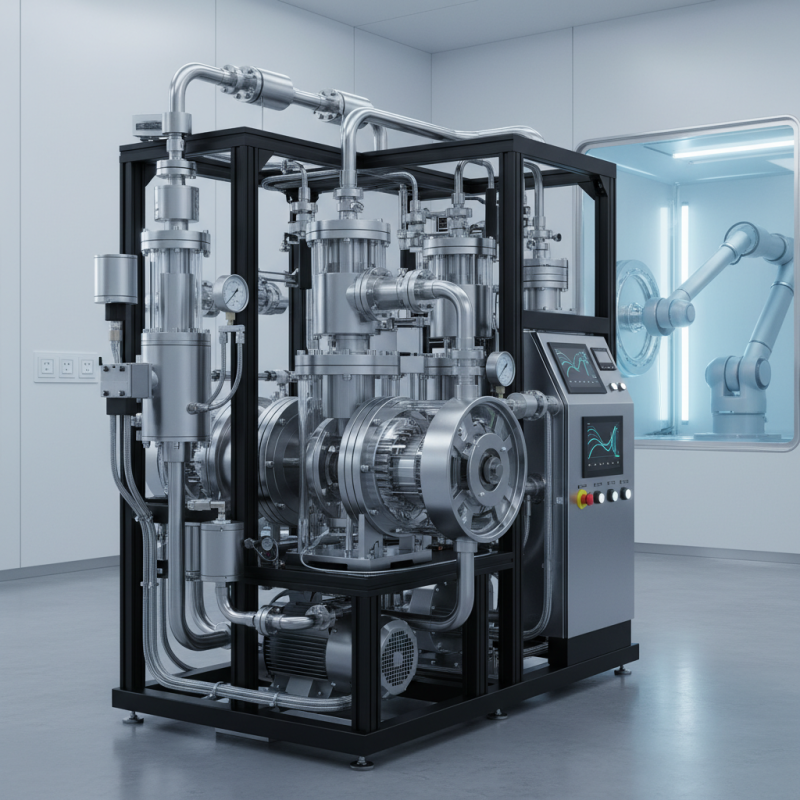
Definition and Functionality of Dynamic Vacuum Pump Systems
Dynamic vacuum pump systems are crucial in various industrial processes. They function by creating a vacuum within a defined space. This occurs through the movement of gas molecules, reducing pressure and enabling operations like evaporation or drying. These systems are known for their adaptability, catering to multiple applications, from laboratories to large-scale manufacturing.
The design and functionality of dynamic vacuum pump systems hinge on their ability to maintain consistent vacuum levels. They often employ rotors or impellers that rapidly spin, imparting velocity to gas, effectively pulling it out of the chamber. This mechanism ensures optimal performance and stability. However, achieving the desired vacuum level can be challenging. Small leaks or system malfunctions can disrupt operations, requiring careful monitoring and occasional adjustments.
Understanding the intricacies of dynamic vacuum systems reveals both their potential and limitations. While they offer efficiency and reliability, users must be aware of their maintenance needs. Regular inspections can help prevent issues like contamination or pressure fluctuations. Addressing these concerns is essential for maximizing the system's effectiveness and lifespan.
Key Components of a Dynamic Vacuum Pump System
A dynamic vacuum pump system operates on a principle of manipulating airflow to create a vacuum. At its core, this system consists of several key components, each playing a crucial role in its functionality. The primary elements include the pump mechanism, motor, and control system. The pump mechanisms, such as rotary vane or diaphragm pumps, are responsible for moving air out of a sealed chamber, thereby creating the desired vacuum level.
The motor drives the pump, allowing for the consistent generation of negative pressure. Effective coupling between the motor and pump is essential for efficiency. The control system regulates the operation, adjusting the speed and performance based on the required vacuum level. This integration of components ensures that the system operates smoothly and reliably, a necessity for various industrial applications according to recent industry reports, which highlight reliability as a key metric in system performance.
Tips: Regular maintenance is crucial. Inspecting seals and connections can help prevent leaks. Efficient parts can significantly decrease energy consumption, thus reducing operational costs. Additionally, understanding the specific vacuum requirements of your application can enhance system performance and longevity. Consideration for these factors can lead to optimized usage and improved outcomes in your processes.
Working Principles Behind Dynamic Vacuum Pumps
Dynamic vacuum pump systems operate based on several key principles. These pumps utilize kinetic energy to create a vacuum. They achieve this by rotating impellers that transfer momentum to the gas molecules. This transfer reduces pressure in the system. As a result, the dynamic system can evacuate larger volumes of air quickly.
The design of these pumps affects their efficiency. Typically, they consist of a casing, impellers, and a drive motor. The air enters the pump, and the impellers push it towards the discharge. This process generates a continuous flow. However, the efficiency can drop at low pressures due to losses in the system. Factors such as friction and turbulence can complicate their operation. Calibration and maintenance are crucial to ensure optimal performance.
Dynamic vacuum pumps are widely used in various industries. They find applications in semiconductor manufacturing and pharmaceuticals. Despite their advantages, users should be aware of potential drawbacks. For instance, these systems can be sensitive to changes in workload. Such fluctuations may lead to inconsistent vacuum levels. Regular monitoring and adjustments are necessary to maintain stability.
Dynamic Vacuum Pump System Performance Overview
This bar chart illustrates key performance indicators of a dynamic vacuum pump system, showcasing the relationship between pumping speed, pressure, power consumption, and noise level. Understanding these metrics can help in optimizing vacuum pump applications across various industries.
Applications of Dynamic Vacuum Pump Systems in Various Industries
Dynamic vacuum pump systems play a crucial role across various industries. Their versatility allows for applications in sectors such as pharmaceuticals, food packaging, and semiconductor manufacturing. In pharmaceuticals, these systems efficiently handle moisture-sensitive materials. According to recent reports, the pharmaceutical sector accounts for approximately 21% of the global vacuum pump market, highlighting the demand for reliable vacuum solutions.
In food packaging, dynamic vacuum systems ensure products remain fresh. By removing air, these systems help extend shelf life. A study from the Food and Beverage Industry indicates that vacuum-sealed packaging can increase a product's shelf life by up to 50%. This practice has become essential for maintaining food quality and safety.
In semiconductor manufacturing, vacuum systems are integral during the production of microchips. These systems help in creating a controlled environment. Reports suggest that 70% of semiconductor manufacturers rely on dynamic vacuum solutions to enhance yields. However, the technology is not without challenges. Issues like system maintenance and energy consumption need addressing for improved efficiency. Evaluating these systems regularly can lead to better performance and potential cost savings in the long run.
What is a Dynamic Vacuum Pump System and How Does it Work? - Applications of Dynamic Vacuum Pump Systems in Various Industries
| Industry | Application | Benefits of Dynamic Vacuum Pump Systems |
| Chemical Processing | Distillation and Evaporation | Efficient separation and purification of chemicals. |
| Food and Beverage | Deaeration and Vacuum Packaging | Extended shelf life and improved product quality. |
| Pharmaceuticals | Drying and Formulation | Enhanced efficiency in drug manufacturing processes. |
| Electronics | Thin Film Deposition | High-quality material coatings with precise control. |
| Environmental | Waste Treatment and Gas Recovery | Improved efficiency in waste management and reduction of emissions. |
Advantages and Disadvantages of Using Dynamic Vacuum Pump Systems
Dynamic vacuum pump systems are widely used in various industrial applications. They offer several advantages. One key benefit is their ability to handle large volumes of gas consistently. This efficiency is especially useful in processes like vacuum distillation and drying. Additionally, they generally have lower maintenance needs compared to other types of pumps. Their robust design allows them to operate reliably in demanding environments.
However, these systems do have some drawbacks. One of the main concerns is their energy consumption. Dynamic vacuum pumps can be less energy-efficient when compared to other vacuum technologies, particularly for smaller applications. Noise levels can also be an issue, as some dynamic pumps create significant sound during operation. Furthermore, installation and initial setup can be complex and may require specialized knowledge. These factors need to be considered when evaluating whether a dynamic vacuum pump system is the right choice for your specific application.