How to Ensure Quality in Offset Printing Inspection?
In the world of printing, quality is paramount. Offset Printing Inspection plays a crucial role in ensuring that the final product meets high standards. This process involves meticulous examination at various stages. It is not just about checking colors; it encompasses alignment, substrate integrity, and finishing touches.
Experts in offset printing understand that flaws can occur at any point. Even with advanced technology, human error can creep in. Therefore, continuous monitoring and adjustments are necessary. An effective inspection process can prevent costly reprints and dissatisfied customers.
Quality assurance in offset printing isn't a one-time task. Regular training for staff is essential to uphold standards. However, all processes are subject to improvement and reflection. While striving for perfection, it is vital to acknowledge areas for growth. With careful attention to Offset Printing Inspection, a business can maintain its reputation and client trust.
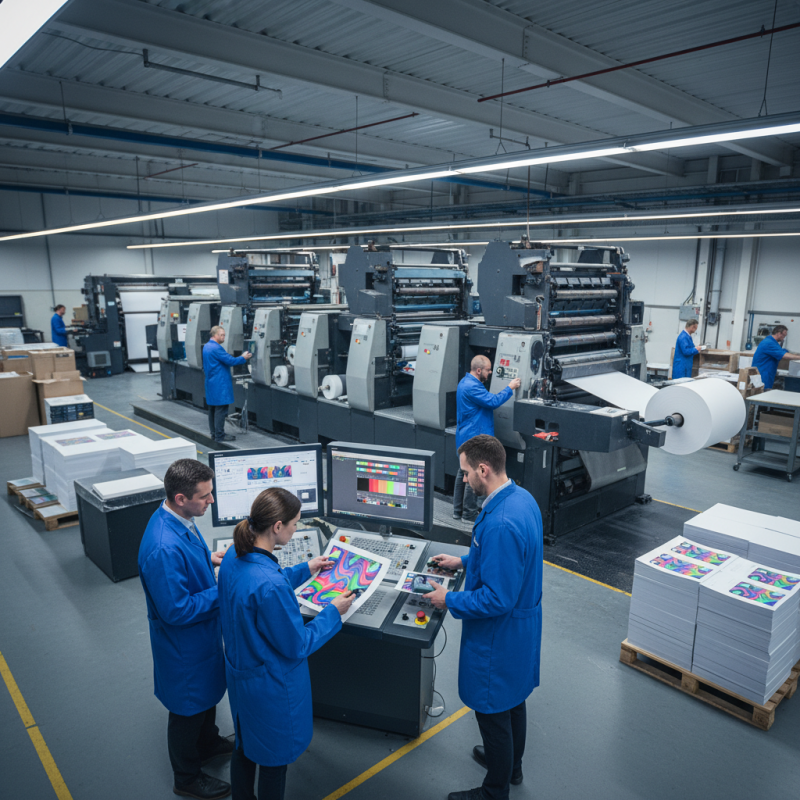
Understanding Offset Printing and Its Quality Parameters
Offset printing is a widely used method in the printing industry, known for its ability to deliver high-quality images and sharp text. Key quality parameters include color accuracy, registration precision, and paper quality. For example, a study by the Printing Industries of America indicates that 90% of print problems stem from issues related to these parameters.
Color accuracy is essential. Variations in ink density can lead to significant differences in the final product. A recent report highlights that 75% of printing companies experience color matching issues at least once a month, which can affect customer satisfaction. Inspection systems must evaluate color consistency against standardized benchmarks to mitigate these discrepancies.
Registration precision is another critical parameter. Poor registration can cause misalignment in prints. This misalignment not only hampers visual appeal but also wastes resources. In fact, studies reveal that misregistration contributes to 60% of production reworks. Regular maintenance and calibration of machinery are vital. Simple adjustments can lead to marked improvements in print quality and reduce errors significantly. Understanding these quality parameters is crucial for enhancing overall output in offset printing.
Importance of Inspection in Offset Printing Processes
In the realm of offset printing, inspection holds immense importance. This process ensures that the printed materials meet quality standards and customer expectations. Common issues like color discrepancies or misalignment can easily occur without vigilant oversight. Proper inspection helps to catch such errors before the final product reaches the client, saving time and resources.
Tips for effective inspection include developing a checklist for quality control. This list should cover color accuracy, registration, and paper quality. Regular training sessions for staff can also be beneficial. Team members should know how to identify printing defects and understand the production process. It’s essential to document findings during each inspection. This documentation can highlight recurring issues and inform corrective actions.
Embracing technology in inspection can improve accuracy. Consider using advanced tools, such as spectrophotometers, to measure color consistency. While implementing new technology can be challenging, it often leads to better outcomes. Continuous reflection on inspection practices is critical. Regularly evaluate what methods work and which need adjustment. This adaptability cultivates a culture of quality and reliability in offset printing.
How to Ensure Quality in Offset Printing Inspection? - Importance of Inspection in Offset Printing Processes
| Inspection Aspect | Importance | Methods Used | Frequency |
| Color Accuracy | Ensures brand color consistency | Spectrophotometer measurements | Every print run |
| Registration | Prevents color misalignment | Visual checks and test prints | Every print run |
| Paper Quality | Affects print finish and durability | Tactile inspections and testing | Monthly |
| Ink Viscosity | Ensures proper ink transfer | Viscometer tests | Every print run |
| Print Uniformity | Quality assurance of output | Random sampling of prints | Each shift |
Key Techniques for Effective Quality Inspection
Offset printing requires meticulous quality inspection to meet high standards. One effective technique is visual inspection. Trained operators examine prints for color consistency and alignment. This method relies on human expertise, but it can be subjective. Operators may miss inconsistencies, leading to potential quality issues.
Another key technique is using spectrophotometers. These devices measure color against standards. They provide objective data and can quickly identify deviations. However, they require regular calibration. Inconsistent calibration can yield misleading results, impacting overall print quality.
Process control is vital. Documenting each stage helps identify flaws. Regular audits of processes ensure adherence to standards. Yet, too many checks can slow down production. Balancing speed and quality remains a challenge. Continuous training and feedback improve inspection techniques, ensuring better outcomes.
Common Defects in Offset Printing and How to Identify Them
In offset printing, quality is crucial. Various defects can arise during the process, affecting the final product. Identifying these defects early is vital for maintaining high standards. Common issues include color variations, ghosting, and misregistration. Color variations occur when different areas of the print exhibit inconsistent hues. This can stem from improper ink amounts or inconsistent press speeds.
Ghosting appears as faint images or shadows on the printed page. It often results from insufficient drying time between passes. This defect can compromise the professionalism of a printed piece. Misregistration happens when colors do not align properly, leading to blurry edges. This issue can be due to worn-out plates or calibration errors. Inspecting these aspects during press runs helps avoid significant reprints down the line.
Regularly assessing prints under good lighting is key. A magnifying glass can help to catch minute defects before they escalate. Quality checks at each stage of production ensure that problems are caught in time. Continual training for staff in identifying these defects can enhance awareness, leading to better overall outcomes. Imperfections in the print process serve as learning opportunities for future projects.
Best Practices for Maintaining Quality in Offset Printing
Ensuring quality in offset printing requires attention to detail. Regular inspection during the printing process is essential. It helps identify issues before they escalate. Having skilled personnel who understand printing techniques improves overall output. Consistency in color and alignment are key factors to observe.
Tip: Train your staff regularly to recognize common print defects. Experience matters in quickly identifying problems. Encourage open communication about quality control among team members.
Another best practice involves using high-quality materials. The type of paper and ink can significantly affect the final product. Not all papers work well with every printer. Ink viscosity and drying times also play critical roles. Experimenting with different combinations can yield better results.
Tip: Keep a checklist for inspections. It could include color accuracy, registration, and texture. Having a tangible reference can help maintain quality. Recognize that even veteran printers may make mistakes. Learning from these can lead to improvements.