10 Essential Tips for Choosing the Best Packaging Solutions?
Choosing the right packaging solutions is crucial for any business. The right packaging not only protects products but also enhances branding. It can influence customer perception and drive sales.
When selecting packaging solutions, consider materials, cost, and sustainability. Many companies overlook the importance of sustainability. This oversight can lead to missed opportunities, especially with eco-conscious consumers. Think about how your packaging reflects your brand values.
Effective packaging solutions should also fit the product perfectly. Too much space can lead to damage during transit. Conversely, packaging that is too tight can ruin the product inside. Finding that balance is challenging but necessary. Ultimately, the goal is to create a memorable unboxing experience for customers.
Understanding Different Types of Packaging Materials Available Today
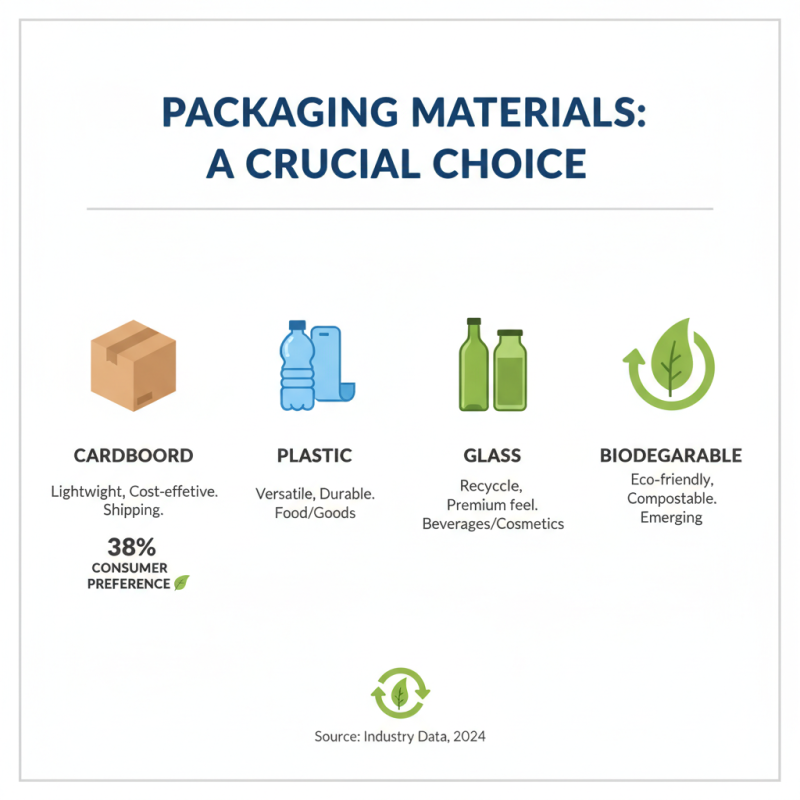
When selecting packaging solutions, understanding materials is crucial. Today, various options like cardboard, plastic, glass, and biodegradable materials are prominent. Cardboard is lightweight and cost-effective. It’s widely used for shipping. Data shows that around 38% of consumers prefer cardboard over plastic. This preference reflects growing environmental concerns.
Plastic packaging remains prevalent, especially for food products. It offers durability and versatility. However, studies indicate that 70% of plastic waste can end up in landfills. This raises questions about sustainability. Glass packaging provides a premium feel. It's recyclable but heavier, leading to increased shipping costs. Companies must balance aesthetics with functionality.
Biodegradable materials are gaining traction. They biodegrade within months, appealing to eco-conscious consumers. Research reports that businesses adopting sustainable packaging can see a 20% increase in customer loyalty. Yet, availability and cost can challenge widespread use. Not all biodegradable options perform well under various conditions. The selection process demands careful consideration of these factors to meet consumer needs.
Evaluating the Impact of Packaging on Product Safety and Preservation
Choosing the right packaging is crucial for product safety and preservation. The material should provide robust protection against physical damage. Consider options like
cardboard, plastic, or biodegradable materials. Each type has its advantages and shortcomings. Some fabrics may not withstand extreme temperatures. Others could react with the product inside.
Seal integrity is another important aspect. A weak seal can lead to contamination or spoilage. Think about how the package will be opened. Easy access is important, but it shouldn't compromise security. For food products, airtight seals are vital to prevent spoilage.
Testing the packaging under various conditions could unveil flaws. Products exposed to moisture or light can degrade quicker than expected. Be critical of your choices. Sometimes, the most eye-catching design fails in preserving quality. Analyze what matters most: aesthetics or functionality? Balancing these factors is not always straightforward. The right packaging can mean the difference between customer satisfaction and product loss.
Considering Sustainability and Eco-Friendliness in Packaging Choices
When selecting packaging solutions, sustainability should be at the forefront. Consumers are increasingly aware of environmental issues. Choosing eco-friendly materials can reduce waste. Biodegradable options are popular these days. They break down and return to the earth. This minimizes landfill contributions significantly.
Consider the life cycle of your packaging. From production to disposal, impact matters. Some materials consume more resources than others. Glass and metal have high recycling rates. However, they can add weight and shipping costs. In contrast, recycled cardboard offers a lighter alternative, but may not always be as durable.
Reflecting on these choices is essential. Sometimes, the easiest option is not the best one. Strive for a balance between functionality and consciousness. Assess your packaging strategy regularly. Stay informed about new materials and techniques. This can help avoid environmental pitfalls and improve consumer trust.
10 Essential Tips for Choosing the Best Packaging Solutions
Analyzing Cost-Effectiveness and Budget Constraints for Packaging Solutions
When selecting packaging solutions, analyzing cost-effectiveness is critical. A recent industry report highlights that businesses can save up to 30% on packaging costs by optimizing material choices. This means understanding the balance between quality and price is essential. Using generic materials might reduce costs but could compromise product protection. Such trade-offs require careful consideration and planning.
Budget constraints can significantly impact packaging decisions. According to a survey, 45% of companies prioritize cost over sustainability in their packaging choices. However, this often leads to higher long-term expenses. Cheaper materials may result in returns from damaged goods. Finding the right mix of cost and performance is a challenge for many businesses. Sometimes, investing more initially can yield better results and customer satisfaction.
Furthermore, logistics must not be overlooked. Inefficient packaging can lead to higher shipping costs. A report found that optimally designed packaging can reduce shipping expenses by 25%. This data prompts businesses to rethink their packaging strategies. Balancing immediate budget constraints with long-term effectiveness can make a significant difference in overall performance.
Identifying Target Audience Preferences in Packaging Design and Functionality
Understanding your target audience is crucial in packaging design. What appeals to one demographic may not resonate with another. For example, younger consumers often prefer minimalist designs with sustainability in mind. On the other hand, older generations might appreciate traditional aesthetics. Knowing these preferences helps in creating effective packaging.
Functionality also plays a significant role. Consumers want packaging that is easy to open, resealable, or compact for storage. Consider a household item that is hard to access or to dispose of; this could lead to frustration. Engaging with customers through surveys or social media can uncover their preferences. However, merely relying on these methods might overlook niche groups. Balancing visual appeal and practicality can be challenging but is essential for success.