What is Industrial Food Packaging Machines and Their Importance?
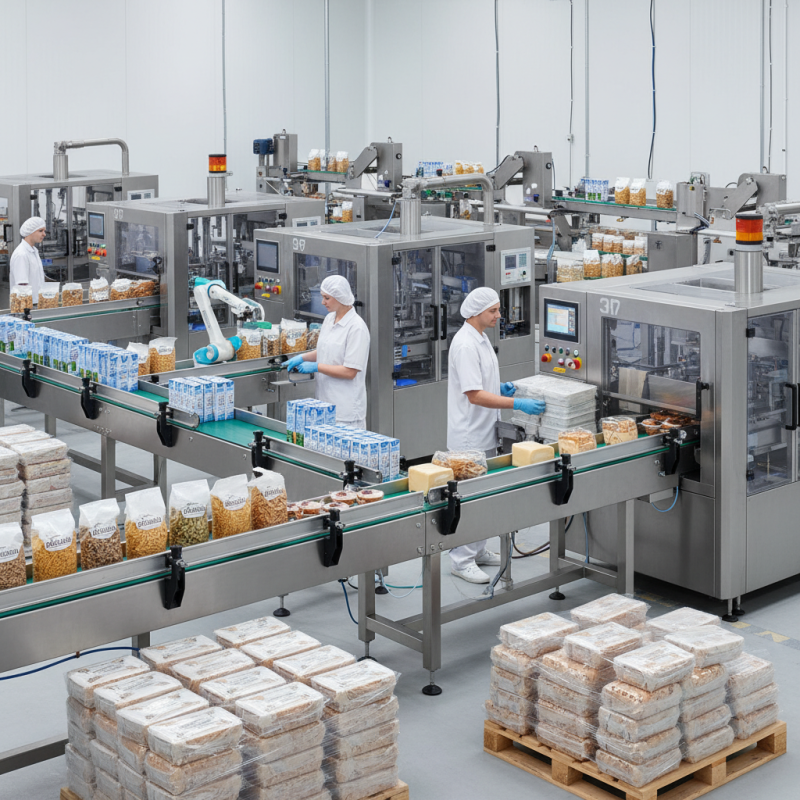
Industrial food packaging machines play a crucial role in the food industry. They ensure products are sealed safely and efficiently. These machines help preserve freshness and extend shelf life. Proper packaging reduces food waste significantly.
Many food manufacturers rely on automation for consistency. However, not all machines meet high-quality standards. Some may struggle with delicate items, causing damage or waste. This leads to increased costs and customer dissatisfaction.
The importance of industrial food packaging machines cannot be overlooked. They not only enhance productivity but also shape consumer trust. Investing in reliable technology is vital for food businesses. However, continuous improvement and regular maintenance are essential for optimal performance.
Definition of Industrial Food Packaging Machines
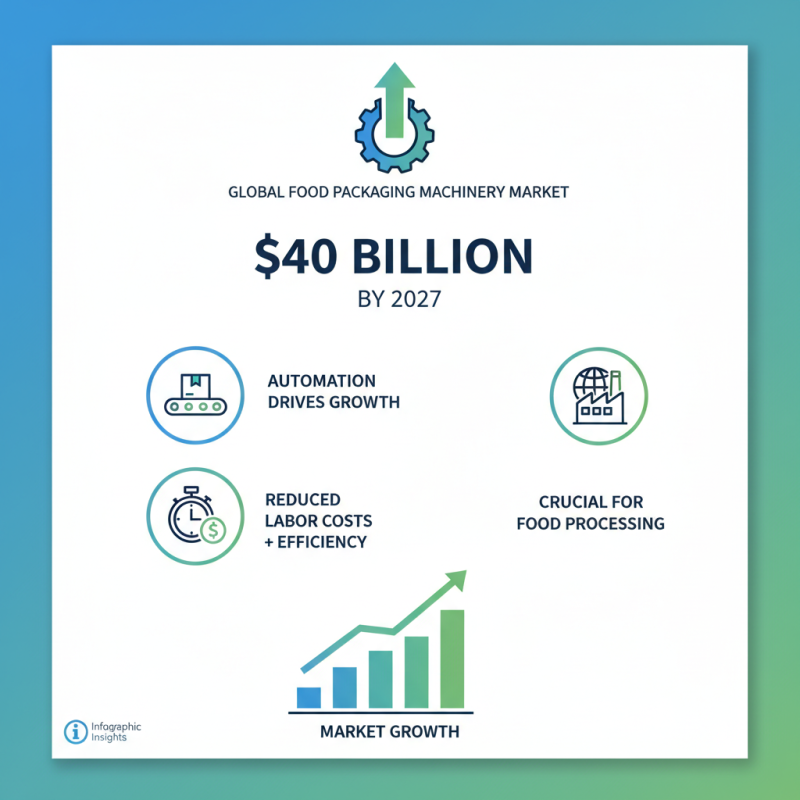
Industrial food packaging machines play a crucial role in the food processing sector. These machines automate the packaging process. They ensure efficiency and consistency. Various reports indicate that the global food packaging machinery market is expected to grow to $40 billion by 2027. Automation is driving this growth, leading to reduced labor costs. Many companies now rely on these machines.
The definition of industrial food packaging machines encompasses various technologies and processes. These machines include filling, sealing, labeling, and wrapping mechanisms. Different types serve various food products. For example, vacuum packaging machines prevent spoilage by removing air. Reports suggest that about 30% of food waste could be reduced through effective packaging solutions. However, it’s important to consider the environmental impact of plastic packaging. Machine efficiency often conflicts with sustainability goals. Some companies are still seeking ideal balances.
Many businesses face challenges in choosing the right packaging machinery. Customization is critical. Not every solution fits all products. In some cases, high-speed machines may compromise quality. Regular maintenance is necessary. If neglected, machines can lead to breakdowns and production delays. In a fast-paced industry, these setbacks are costly. Understanding machine relevance in the supply chain is essential. It’s another layer in addressing packaging needs.
Types of Industrial Food Packaging Machines
Industrial food packaging machines play a crucial role in maintaining food safety and extending shelf life. Various types of these machines cater to different packaging needs. For instance, vacuum sealers remove air from packages. This minimizes spoilage and enhances freshness. These devices are essential in both small and large food production settings.
Another type is the filling machine, which precisely fills containers with liquids or powders. This accuracy helps in minimizing waste and maintaining consistency across product batches.
Then there are labeling machines. They apply labels efficiently, ensuring regulations are met while enhancing product appeal. However, the effectiveness of these machines depends on regular maintenance. A neglected machine can lead to errors and spoilage.
Case packers are also noteworthy. They automate the packaging of items into boxes, speeding up the process. Yet, they require skilled operators for adjustments and quick fixes. It's vital to train staff adequately to avoid costly errors. Reflecting on these machines highlights their importance, but also the areas needing improvement.
Key Features and Technology in Food Packaging
Industrial food packaging machines play a crucial role in the food industry. These machines are designed to enhance efficiency and maintain product safety. According to a report by MarketsandMarkets, the global food packaging machinery market is projected to reach USD 51.1 billion by 2025. This growth indicates a rising demand for advanced packaging solutions.
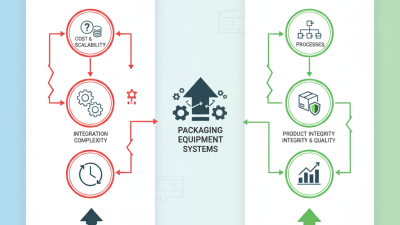
Key features of modern food packaging machines include automation and precision. Automated machines reduce human error and speed up production lines. They can fill, seal, and label products with minimal intervention. Additionally, smart technology enhances tracking and inventory management, a key demand in today’s fast-paced market. However, manufacturers often face challenges in integrating new technologies smoothly. Compatibility issues with existing systems can lead to inefficiencies. Regular maintenance is also essential to keep machines running optimally.
Innovations like vacuum sealing and modified atmosphere packaging are game changers. These technologies extend shelf life and preserve food quality. Yet, balancing cost-effective solutions and high-quality standards remains a challenge for businesses. The market is competitive, pushing manufacturers to rethink their strategies continuously. With shifting consumer preferences, the importance of flexible and adaptive packaging is more critical than ever.
Advantages of Using Industrial Food Packaging Machines
Industrial food packaging machines play a crucial role in the efficiency of food production. These machines automate the packaging process, which reduces labor costs significantly. Reports indicate that companies can save up to 30% on labor costs when using automated systems. This technology allows for quicker processing times, which means products reach shelves faster. In an industry where speed is key, this advantage can’t be overstated.
Moreover, the use of industrial food packaging machines enhances product safety and shelf life. For instance, vacuum packaging can extend the freshness of food by 3 to 5 times. This reduces food waste, a vital consideration in today’s market. A recent study revealed that nearly 1.3 billion tons of food is wasted globally each year. Addressing this issue through effective packaging is critical.
However, the reliance on technology raises some concerns. Not all manufacturers keep pace with regular maintenance, leading to breakdowns. Equipment failures can halt production, causing delays. Training staff to operate these machines properly is also essential but often overlooked. Companies may invest heavily but neglect user education, resulting in inefficiencies. The importance of having skilled personnel cannot be ignored in this high-tech landscape.
Importance of Industrial Food Packaging Machines
Impact on Food Safety and Shelf Life
Industrial food packaging machines play a crucial role in ensuring food safety. They automate the process of sealing products, reducing human contact. This lowers contamination risks significantly. Each machine is designed to meet specific food safety standards. However, not all machines are perfect. Some may fail to seal properly, leading to spoilage or exposure.
The way food is packaged directly affects its shelf life. Vacuum packing, for example, removes air and extends freshness. Proper sealing can keep produce fresh for weeks. But, the choice of materials matters too. Not every packaging material offers the same level of protection. Some may allow light or moisture in, compromising the food quality.
Over time, food packaging technology continues to evolve. New methods emerge, but challenges remain. Machines may become outdated or require frequent maintenance. Finding the balance between cost and quality is often difficult. Ultimately, investing in reliable packaging is essential for any food business.