What is Packaging Automation Equipment and How Does It Work?
Packaging automation equipment plays a crucial role in modern manufacturing. It streamlines processes, increases efficiency, and reduces costs. According to Sarah Johnson, an expert in this field, "Automation in packaging transforms how products are handled." Her insight highlights the significant impact of these machines.
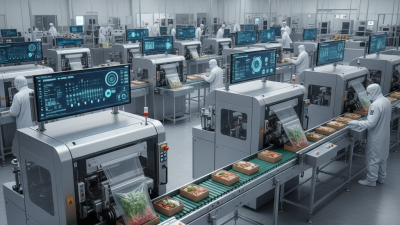
The concept of packaging automation equipment involves various devices that handle packing tasks. These can include packing machines, conveyors, and sealing equipment. Each piece works together to move products from production to the shipping stage. Specific solutions exist for different products, making customization vital.
However, implementing packaging automation equipment is not without challenges. Businesses must invest time and resources into training staff. Integration with existing systems can also be complicated. Despite these hurdles, the potential benefits are immense. Companies can increase output and improve accuracy. The future of packaging lies in embracing automation, but careful planning is essential.
Definition of Packaging Automation Equipment
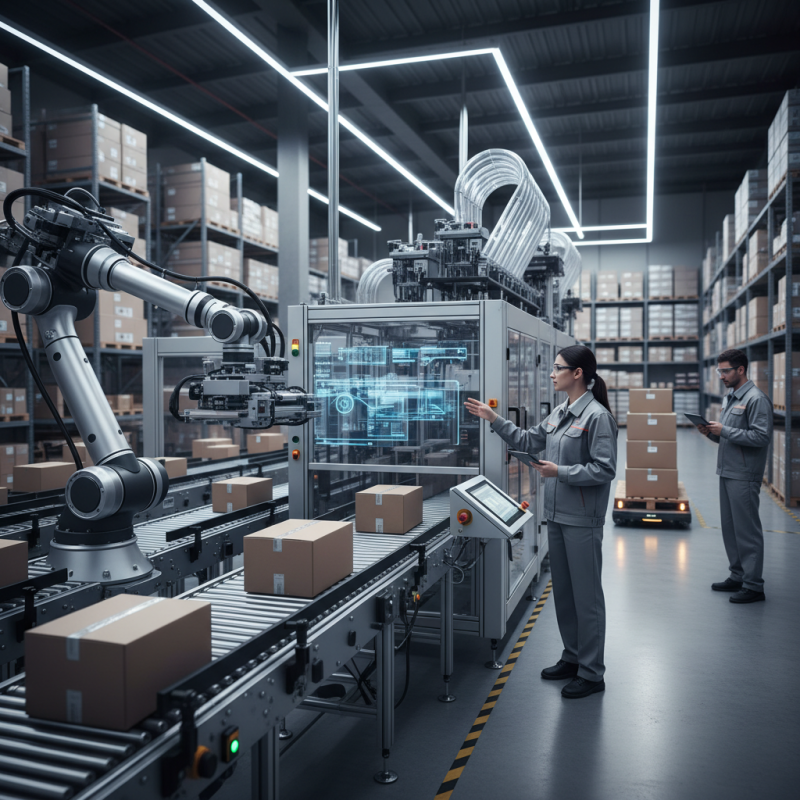
Packaging automation equipment refers to technology that streamlines the packaging process. It includes machines that handle tasks like filling, sealing, labeling, and palletizing products. According to recent industry reports, the market for packaging automation is projected to reach $70 billion by 2026. This growth highlights the increasing demand for efficiency in manufacturing and logistics.
These systems are designed to increase speed and accuracy. For instance, automated filling machines can operate at a rate of 120 units per minute. This efficiency minimizes human error. However, companies must recognize the initial investment costs, which can be substantial. Maintenance and training for staff also present challenges.
Integration of these systems into existing workflows can be complex. Customization may be necessary to align with specific production lines. There is often a learning curve that can disrupt operations initially. Despite these issues, the long-term benefits often outweigh the hurdles. Cost savings and improved productivity are key drivers for businesses considering automation.
Types of Packaging Automation Equipment
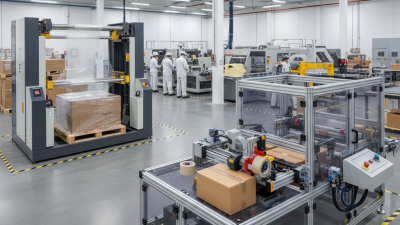
Packaging automation equipment comes in various forms, each designed to streamline the packaging process. One common type is the case packer. This machine quickly assembles products into shipping cases. It improves efficiency by reducing manual labor. However, it requires careful setup to avoid product damage.
Another popular option is the stretch wrapper. It securely wraps pallets of goods in plastic film. This ensures stability during transportation. While stretch wrappers are effective, inconsistent wrapping can lead to load failures. Operators must stay vigilant and monitor the process regularly.
Labeling machines play a vital role in packaging automation as well. They apply labels to products or packaging efficiently. Accurate placement is crucial, as misalignment can confuse customers. Regular maintenance is needed to keep these machines running smoothly. Despite their advantages, automation equipment can sometimes malfunction. Operators must be prepared to troubleshoot issues as they arise.
Packaging Automation Equipment Usage by Type
This chart illustrates the usage distribution of different types of packaging automation equipment in the industry. Each type contributes to efficiency and productivity through specialization in various packaging tasks.
How Packaging Automation Equipment Operates
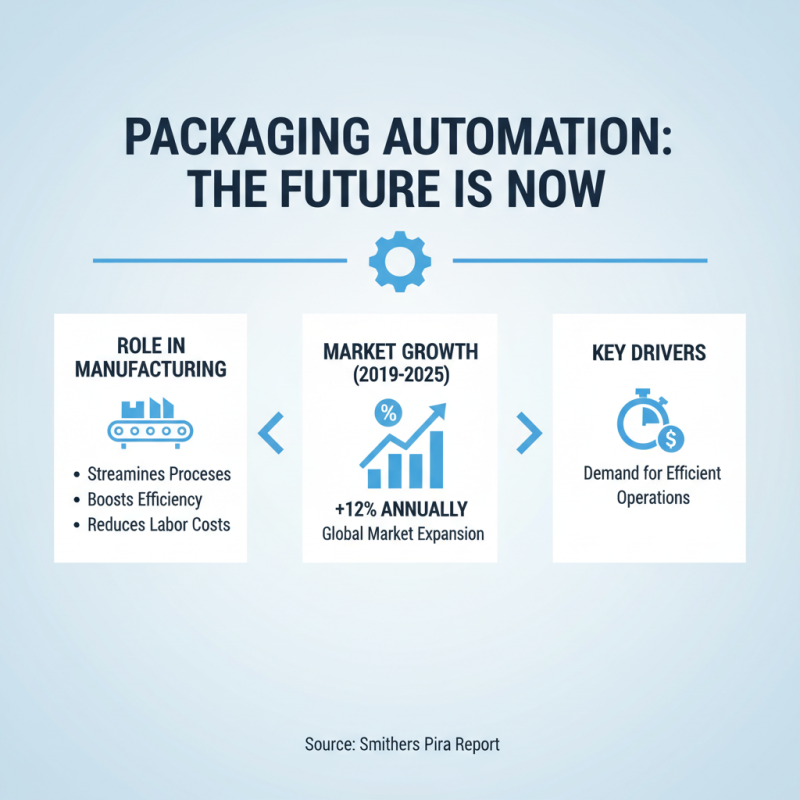
Packaging automation equipment plays a crucial role in modern manufacturing. It streamlines packaging processes, improving efficiency and reducing labor costs. According to a report by Smithers Pira, the global market for packaging automation is expected to grow by over 12% annually through 2025. This growth is driven by the demand for more efficient operations.
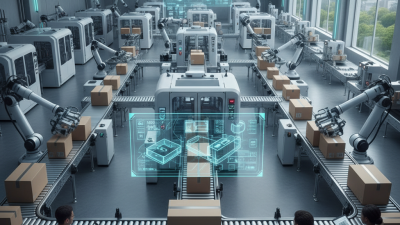
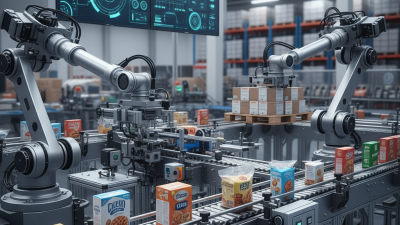
These systems incorporate various technologies. They include conveyor belts, robotic arms, and automated packing machines. Each component works together to create a seamless workflow. For example, a robotic arm can pick up products and place them in boxes swiftly. This reduces human error, but it does require constant monitoring.
Despite the benefits, challenges persist. Not every company can implement automation easily. Initial costs can be high, which is a significant barrier. Additionally, adapting staff to new technologies may lead to resistance. Training is essential, yet sometimes overlooked. Automation has its advantages and drawbacks. Understanding both helps organizations make informed choices.
Benefits of Using Packaging Automation Equipment
Packaging automation equipment is transforming industries by enhancing efficiency and reducing labor costs. According to a recent report, businesses can achieve a 25% increase in productivity with automated packaging solutions. This efficiency gain is crucial in today's fast-paced market, where speed is essential.
One major benefit of packaging automation is consistent quality. Automated systems minimize human error, leading to fewer defects and waste. A study found that companies using packaging automation reduce waste by up to 30%. This not only lowers costs but also supports sustainability initiatives.
Tips: Assess the volume of your production to determine the right automation level. Consider starting with a semi-automated system to ease the transition.
Another advantage lies in labor savings. Automated equipment can perform repetitive tasks, allowing workers to focus on more complex responsibilities. This shift can improve job satisfaction, as employees engage in meaningful work. However, companies must be mindful of potential job displacement and invest in reskilling programs.
Tips: Get employee feedback before implementing new systems. Address concerns about job security early on.
Investing in packaging automation offers a competitive edge. Companies that embrace automation can respond more effectively to customer demands. Despite the upfront costs, the long-term benefits often outweigh the initial investment.
Industries That Utilize Packaging Automation Equipment
Packaging automation equipment is crucial across various industries. Many manufacturers rely on these tools for efficiency.
Food and beverage industries are primary users. They require swift and accurate packaging to ensure freshness.
Automated systems can handle hundreds of units per minute. This capability minimizes human error and increases throughput.
Pharmaceutical companies also benefit from packaging automation. They need precise labeling and packing to comply with regulations.
Automated devices ensure that every product is correctly sealed and documented. Similarly, the cosmetic industry employs this equipment to enhance productivity.
With many products having intricate designs, automation simplifies the process.
However, not all implementations are flawless. Some companies struggle with integration into existing systems. Training staff on new equipment can pose challenges.
It's vital for industries to assess their specific needs before investing.
Automation should improve workflows, yet it may require ongoing adjustments to optimize performance.