What is Packing Equipment and How Does it Enhance Efficiency?
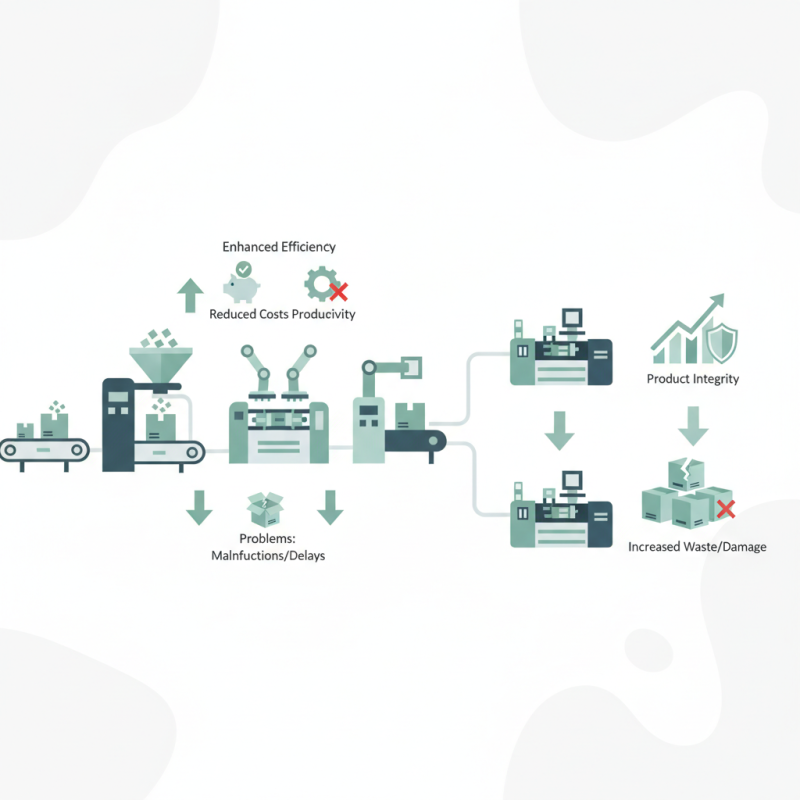
Packing equipment plays a crucial role in various industries. It ensures products are safely packaged and ready for distribution. According to a report from Research and Markets, the global packaging machinery market is expected to reach $54.15 billion by 2025. This growth highlights the increasing importance of efficient packing solutions. Enhanced efficiency can lead to reduced costs and improved productivity.
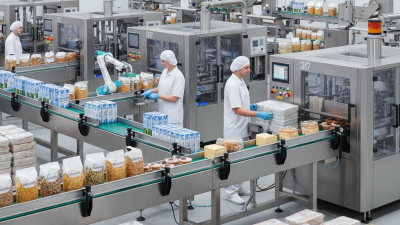
Modern packing equipment includes machines for filling, sealing, and labeling. Each machine is designed to speed up the packing process. For example, automated packaging lines can package products at a rate of 300 units per minute. However, problems can arise. Malfunctions or improper settings may hinder production, causing delays.
The importance of proper packing equipment cannot be overlooked. Using outdated or ill-suited machines can lead to increased waste or damage. A study by the Food and Beverage Industry Association noted that improper packing leads to a 25% loss in product quality during transport. Hence, investing in the right packing equipment is essential for maintaining efficiency and product integrity.
Definition of Packing Equipment and Its Types
Packing equipment plays a crucial role in various industries. It includes machinery used to package products for storage and shipment. Common types of packing equipment are filling machines, sealing machines, and labeling systems. According to industry reports, nearly 90% of manufacturers use some form of automated packing equipment to enhance productivity.
Filling machines help accurately measure and dispense liquids or solids into containers. They can significantly reduce waste and improve consistency in product volume. Sealing machines ensure containers are tightly closed, preventing leaks and contamination during transport. Labeling systems provide essential product information and compliance with regulations. Over 70% of companies report that investing in advanced packing technologies increases overall operational efficiency.
However, not all companies optimize their packing processes effectively. Many still rely on outdated equipment that leads to bottlenecks. A significant number of companies lack proper training for staff operating these machines. Inadequate training can lead to errors that compromise product quality. Addressing these shortcomings is vital for any business aiming to enhance efficiency in their packing operations.
Packing Equipment Types and Their Efficiency in Warehouse Operations
Role of Packing Equipment in Different Industries
Packing equipment plays a crucial role across various industries. In manufacturing, efficient packing can reduce costs significantly. A report from the Packaging Machinery Manufacturers Institute indicates that properly utilized packing machinery can enhance productivity by up to 30%. Companies that invest in automated packing lines often see reduced labor costs and minimized errors.
In the food and beverage sector, the importance of packing equipment is even more pronounced. Proper packaging ensures product safety, extending shelf life. A study by the International Journal of Food Science found that nearly 60% of food waste is due to inadequate packaging. Consequently, better packing solutions can increase profitability while reducing environmental impact.
The pharmaceutical industry also relies heavily on packing equipment. Here, accuracy is paramount. According to a survey by the Healthcare Packaging Association, 70% of industry professionals believe that automation in packing could lead to fewer recalls. Yet, not all companies effectively adopt these technologies. There’s a clear gap in efficiency that needs addressing.
How Packing Equipment Improves Operational Efficiency
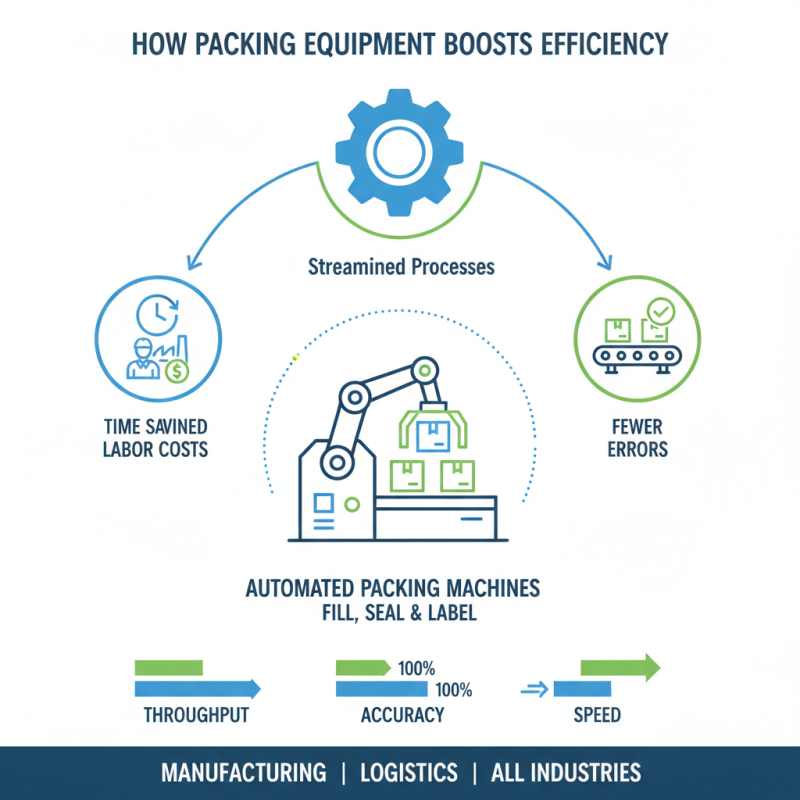
Packing equipment plays a pivotal role in enhancing operational efficiency. It streamlines processes in various industries, from manufacturing to logistics. Automated packing machines save time and reduce labor costs. They can quickly fill, seal, and label products without human intervention. This reduces errors that often occur during manual packing.
Moreover, precision is key. Accurate packing minimizes product damage during transit. It also optimizes the use of packing materials, reducing waste. However, not all equipment performs equally. Some machines can be challenging to operate. Training may be necessary, which can lead to initial inefficiencies.
In addition, regular maintenance is crucial. Neglecting upkeep can hinder productivity. Equipment breakdowns can cause delays. Businesses should periodically review their packing systems for improvements. Adaptation is essential. Keeping up with technological advancements can be overwhelming. Yet, those who embrace change often see significant benefits.
Key Features to Consider When Choosing Packing Equipment
When choosing packing equipment, understanding key features is crucial. Consider the type of products being packed. Fragile items need protective packaging. Bulk goods may require sturdy containers. The right materials make a big difference. Lightweight options can save costs. But sometimes, they lack durability.
Speed is another factor. Equipment that operates quickly boosts productivity. Yet, it should not compromise quality. An overly fast machine may cause damage. Efficiency must also consider maintenance. Equipment that breaks down often disrupts workflow. Sometimes, older machines might be cheaper but require more repairs.
Automation features are valuable. They can reduce labor costs. However, implementing automation can be challenging. Staff may need training. And not all tasks suit automated solutions. Finding the right balance is essential. Each facility has unique needs, and solutions should be tailored, not one-size-fits-all.
What is Packing Equipment and How Does it Enhance Efficiency?
| Feature |
Description |
Benefits |
| Automation |
Automated machines that reduce manual labor in packing processes. |
Increases speed and reduces labor costs. |
| Flexibility |
Ability to pack different types of products with minimal adjustments. |
Maximizes versatility and reduces downtime. |
| Speed and Efficiency |
High throughput rates for packing operations. |
Improves overall productivity and output. |
| Quality Control |
Integrated systems for monitoring package integrity and quality during packing. |
Reduces errors and enhances product quality. |
| Ease of Use |
User-friendly interfaces and controls for operators. |
Lowers training time and increases operator efficiency. |
Future Trends in Packing Technology and Automation
The packing technology landscape is evolving rapidly. Recent reports suggest that the global
smart packaging market will reach
$30 billion by 2025.
This growth reflects a strong shift towards automation and innovation in the industry.
Companies are increasingly adopting sophisticated packing solutions, which can lead to
enhanced efficiency and reduced
labor costs.
Automation in packing technology allows for faster production speeds. For instance, robotic
systems can work continuously without fatigue. They handle repetitive tasks like packing,
sealing, and labeling. In a recent survey, about 70%
of manufacturers reported improved productivity after integrating automation. However, there are
challenges. Transitioning to automated systems requires a significant investment. Smaller businesses
often struggle to keep up with larger competitors.
Future trends suggest increased use of
artificial intelligence in packing processes.
AI can optimize packing patterns, reducing material waste and improving shipping costs. Yet, implementing
AI presents complexities. The initial setup can be cumbersome, and the technology might not always yield
expected outcomes. The industry needs to assess how best to leverage these advancements for maximum benefit.