What is Packing Equipment and How Does It Work?
Packing equipment plays a crucial role in the logistics and manufacturing sectors. This machinery ensures products are securely packaged for transport and storage. The right packing equipment increases efficiency and reduces waste.
Various types of packing equipment exist, including sealers, fillers, and wrappers. Each type serves a unique purpose that contributes to the overall packaging process. For example, sealers protect items from contaminants and damage. However, selecting the right equipment can be challenging.
Operational challenges may arise. Some equipment requires regular maintenance, which can disrupt production. Additionally, not all businesses can afford the latest technology. While packing equipment simplifies operations, it demands continuous evaluation to remain effective. Balancing cost and efficiency often leads to tough decisions for companies.
What is Packing Equipment?
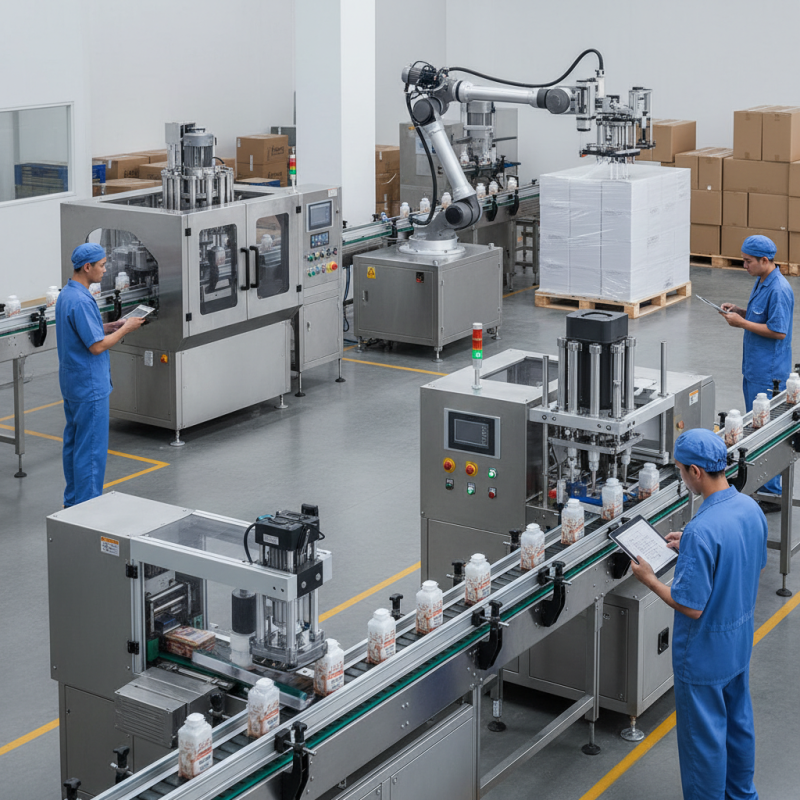
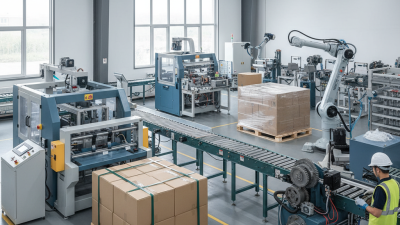
Packing equipment plays a crucial role in various industries. It refers to the machinery and tools used to package products for shipping, storage, or retail sale. This equipment can include items such as bottling lines, carton sealers, and vacuum packers. Each piece of equipment serves a specific purpose, ensuring products are preserved and presented effectively.
The process of packing often involves several steps. Products may need to be sorted, filled, and sealed before they can be shipped. Effective packing equipment helps streamline these tasks. For example, a vacuum packer removes air to extend shelf life. It's fascinating how technology improves durability while minimizing waste. However, not every operation has the right equipment. Some businesses struggle with outdated machines or inefficient methods. This can lead to delays and increased costs.
Additionally, understanding the needs of your products is essential. Different items require specific packing techniques. For instance, fragile items need cushioned packaging, while liquids demand secure seals. It's common for companies to overlook these details, leading to damaged products. Every mistake in packing reflects on a business’s reputation. Thus, continual assessment of packing processes is necessary to ensure customer satisfaction and operational efficiency.
Types of Packing Equipment Used in Industry
Packing equipment plays a vital role in various industries. It is essential for ensuring products are safely packaged for transport and sale. There are different types of packing equipment, each designed for specific needs.
One common type is the automatic filling machine. It accurately measures and fills containers with liquids or powders. These machines save time but may require regular calibration to avoid errors.
Another type is the sealing machine, which ensures packages are securely closed. Improper sealing can lead to product spoilage, so maintenance is crucial.
Moreover, the carton erector is used to assemble boxes. This machine can boost efficiency, but it can sometimes malfunction. Operators must stay alert to ensure proper operation.
Labeling machines are also essential, as they provide critical information on products. However, mislabeling can create significant issues, making oversight a recurring concern in the industry.
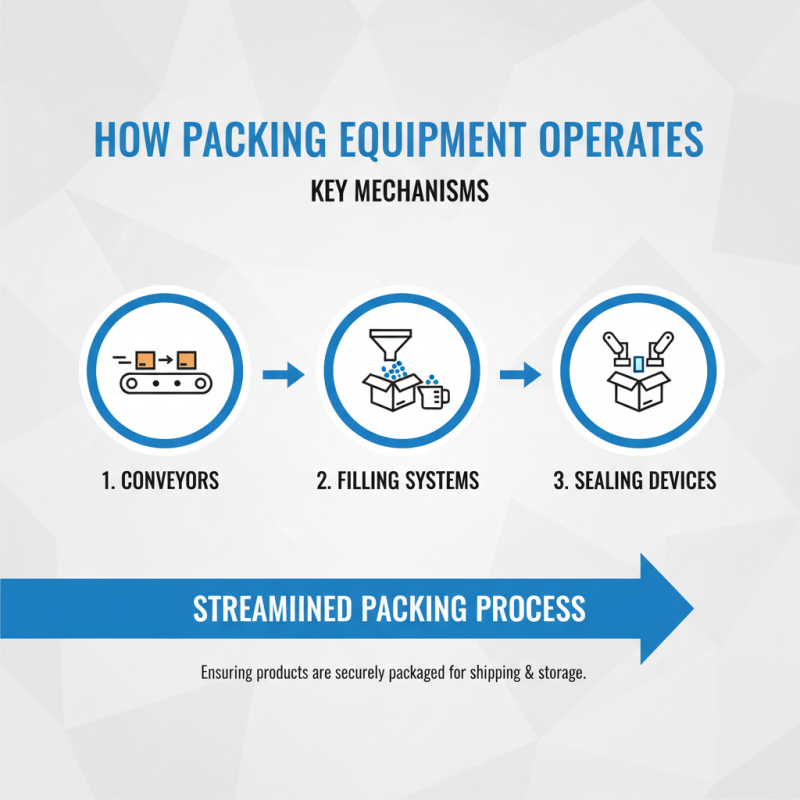
How Packing Equipment Operates: Key Mechanisms
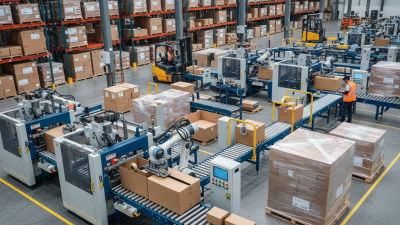
Packing equipment plays a vital role in various industries, ensuring products are securely packaged for shipping and storage. Understanding its operation is essential for efficiency. Key mechanisms include conveyors, filling systems, and sealing devices. Each component works together to streamline the packing process.
Conveyors transport items through different stages of packing. This automation reduces manual labor and speeds up the workflow. According to industry reports, companies that implement conveyor systems see a productivity increase of up to 30%. Filling systems then accurately dispense products into containers. This accuracy minimizes waste, which is crucial for cost management.
Tip: Regular maintenance of packing equipment can prevent unexpected downtime. It’s wise to schedule routine checks. Sealing devices, often overlooked, secure packages to protect contents. Proper sealing techniques improve product integrity during transit.
However, packing processes can face challenges. Equipment may malfunction or become less efficient over time. It’s important to collect data and analyze performance trends. Adapting to these insights can lead to significant improvements. Investing in updated technology is often necessary for staying competitive.
Benefits of Using Packing Equipment in Business
Packing equipment plays a crucial role in enhancing business operations. By automating the packing process, companies can save time and reduce labor costs. According to industry reports, companies can achieve up to a 30% increase in efficiency through proper packing methods. This is particularly beneficial for small to medium-sized enterprises struggling to keep up with demand.
The benefits extend beyond efficiency. Investing in packing equipment can minimize product damage during transit. A study found that up to 25% of products are damaged during shipping, resulting in financial losses. By ensuring that products are securely packed, businesses can significantly reduce returns and customer dissatisfaction. However, not all businesses fully utilize their packing equipment potential. Some companies still rely on manual methods, which can lead to inconsistencies in quality.
Furthermore, the initial investment in packing technology may seem daunting. However, the long-term savings in labor and product loss often outweigh the costs. While some organizations view this as a risk, those that embrace innovation are likely to thrive. Waiting too long to upgrade packing practices could hinder growth, as customer expectations continually evolve. In this fast-paced market, efficiency is not just a preference; it's a necessity for survival.
What is Packing Equipment and How Does It Work? - Benefits of Using Packing Equipment in Business
| Packing Equipment Type |
Function |
Benefits |
Common Industries |
| Automatic Packing Machines |
Automates the packaging process by filling, wrapping, and sealing products. |
Increases efficiency, reduces labor costs, and improves packaging quality. |
Food and Beverage, Pharmaceuticals |
| Wrapping Machines |
Wraps products in plastic film to secure and protect them. |
Enhances product safety and extends shelf life. |
Retail, Agriculture |
| Box Taping Machines |
Seals boxes or cartons securely with tape, ready for shipping. |
Speeds up the packing process and reduces tape wastage. |
E-commerce, Manufacturing |
| Filling Machines |
Fills containers with products like liquids, granules, or powders. |
Ensures accurate filling and minimizes spillage. |
Food and Beverage, Cosmetics |
| Labeling Machines |
Applies labels to products for branding and compliance. |
Improves product identification and marketing appeal. |
Pharmaceuticals, Consumer Goods |
Maintenance and Safety Considerations for Packing Equipment
Packing equipment is essential for ensuring products are securely packaged. However, maintenance and safety are often overlooked. Regular checks can prevent costly breakdowns. This includes inspecting belts, seals, and motors. A small issue can lead to bigger problems.
Tips: Schedule weekly inspections. Create a checklist to track wear and tear. document any suspicious sounds or movements.
Safety considerations are critical in a packing facility. Operators should be trained in safe handling practices. Always wear protective gear. Keep emergency shutdown procedures visible. Inadequate training can lead to injuries. Ensure all staff understand the importance of safety protocols.
Tips: Conduct safety drills regularly. Encourage an open dialogue about potential hazards. Share stories of near-misses to promote caution.
Packing Equipment Types and Their Usage Frequency