Top Plastic-Free Sugarcane Bagasse Bowls for Eco-Friendly Dining?
In recent years, the demand for eco-friendly dining solutions has surged. A significant driver behind this trend is the alarming plastic pollution crisis. According to data from the World Economic Forum, over 300 million tons of plastic are produced annually, with a substantial portion ending up in our oceans. Plastic-Free Sugarcane Bagasse Bowls present a sustainable alternative that not only reduces this environmental burden but also supports a circular economy.
Sugarcane bagasse, a byproduct of sugar production, is fully biodegradable. Reports indicate that these bowls decompose within 90 to 120 days, unlike traditional plastic, which can take centuries. Moreover, Sustainable Food Reports highlight that consumers are increasingly prioritizing eco-friendly products. Approximately 66% of global consumers are willing to pay more for sustainable items. Yet, despite these positive trends, some still question the durability and usability of Plant-based tableware.
As the restaurant industry embraces sustainability, Plastic-Free Sugarcane Bagasse Bowls offer a practical solution. They are resistant to hot liquids and provide a sturdy option for serving meals. However, it is essential to continuously assess the production processes and supply chains. While these bowls are promising, their effectiveness must also be evaluated in the broader context of environmental impact and resource use. Adopting these innovative products is a step forward, but a mindful approach is crucial for lasting positive change.
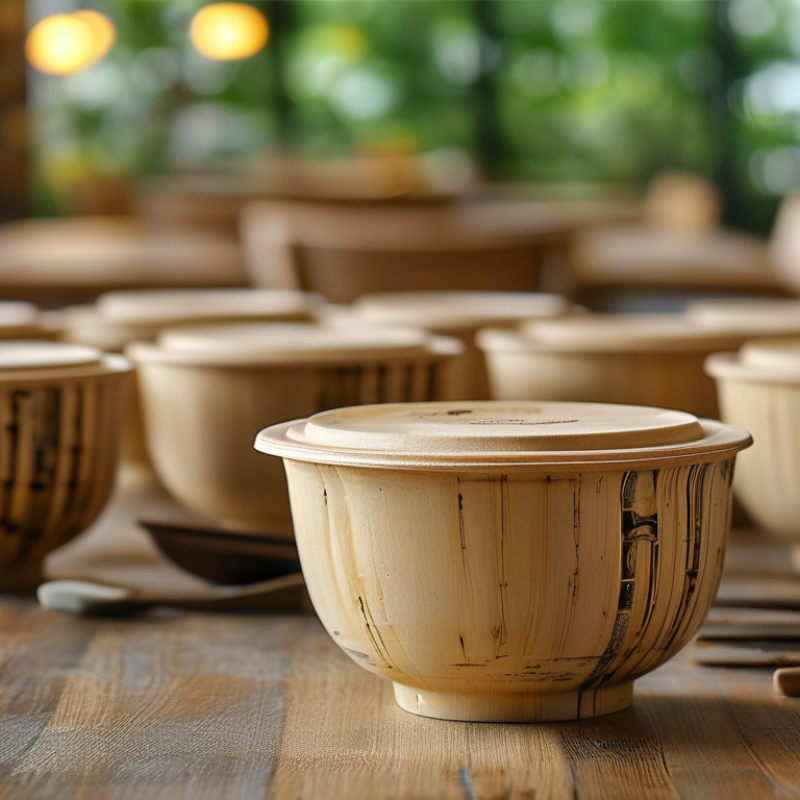
What is Sugarcane Bagasse and Its Environmental Benefits?
Sugarcane bagasse is the fibrous residue left after extracting juice from sugarcane. This byproduct is often discarded, but it offers significant environmental benefits. Utilizing sugarcane bagasse for manufacturing bowls helps reduce waste and promotes sustainability.
These bowls are biodegradable and compostable. They break down naturally, unlike traditional plastic options. This leads to less pollution in landfills and oceans. Sugarcane bagasse bowls can decompose in about 90 days, making them a practical alternative for eco-conscious consumers.
Moreover, using bagasse supports a circular economy. It transforms agricultural waste into valuable products. This approach reduces pressure on natural resources. However, not all sugarcane products are created equally. Some may still contain additives that aren’t eco-friendly. Consumers must research to make informed choices. The journey toward sustainability includes examining the materials we use daily.
Features of Plastic-Free Sugarcane Bagasse Bowls for Dining
Sugarcane bagasse bowls are gaining attention for eco-friendly dining. Made from the fibrous remains of sugarcane after juice extraction, these bowls offer a practical alternative to plastic. They are 100% biodegradable, breaking down naturally over time. This feature is vital for reducing waste in landfills and oceans.
One appealing aspect of sugarcane bagasse bowls is their strength. They can hold both hot and cold foods without leaking. This makes them suitable for various dining experiences. However, some users have noted that they can be prone to bending under heavy loads. It’s essential to consider this, especially for larger servings.
Additionally, these bowls have a natural, unpolished look, which can enhance the dining experience. They provide an organic touch that complements many meal presentations. The texture, while unique, may not appeal to everyone. Some diners prefer smoother surfaces. Despite these concerns, the overall environmental benefits make sugarcane bagasse bowls a worthy option for sustainable dining.
Top Plastic-Free Sugarcane Bagasse Bowls for Eco-Friendly Dining
| Feature | Description | Size | Capacity | Suitable For |
| Biodegradable | Made from natural sugarcane fiber, decomposes easily | Small (5 inches) | 12 oz | Appetizers, Desserts |
| Microwave Safe | Can safely hold food in microwaves | Medium (6 inches) | 20 oz | Main Courses, Salads |
| Sturdy Design | Holds a variety of hot and cold foods without leaking | Large (7 inches) | 32 oz | Food Festivals, Catering |
| Compostable | Can be composted in industrial or home compost setups | Extra Large (8 inches) | 40 oz | Buffets, Parties |
Top Brands Producing Eco-Friendly Sugarcane Bagasse Bowls
When it comes to eco-friendly dining, sugarcane bagasse bowls are a fantastic alternative. Many brands focus on sustainability, creating products from sugarcane pulp. This material is biodegradable and compostable. It breaks down naturally, leaving no harmful residues behind. These bowls are perfect for hot or cold foods, making them versatile for any meal.
Choosing the right brand is essential. Not all manufacturers prioritize eco-friendly practices. Some may use chemicals in their production processes. It’s vital to look for certifications that verify sustainability. Researching each brand can lead to better choices. Be mindful of the packaging as well. Excessive plastic use in shipping can undermine the eco-friendliness of the product.
While sugarcane bagasse bowls provide a sustainable option, they aren’t flawless. Some users report issues with durability, especially for heavy items. This can be a challenge at large gatherings. Companies are continually refining their products, but advancements take time. Feedback is crucial for improvement, pushing brands to innovate further.
Comparing the Durability and Functionality of Bagasse Bowls
Bagasse bowls are gaining popularity as an eco-friendly alternative for dining. Made from sugarcane pulp, these bowls offer a sustainable solution to plastic waste. According to the World Economic Forum, plastic production is expected to double by 2030. As people seek alternatives, bagasse bowls emerge as a viable option. They decompose within 90 to 120 days in commercial composting facilities.
In terms of durability, bagasse bowls can withstand temperatures up to 220°F. This temperature resilience allows for hot servings without compromising the integrity of the bowl. Industry studies reveal that bagasse products demonstrate comparable strength to standard plastic. However, they may not perform well in extremely wet conditions. A report from the Environmental Protection Agency suggests that users must consider the bowl's moisture resistance during food service.
Functionality is another important aspect. Bagasse bowls provide a lightweight yet sturdy option for meal presentation. The surface is smooth, making it easy to serve and eat from. However, some users have reported issues with leakage when serving saucy foods. This inconsistency raises questions about quality control in manufacturing processes. Ensuring reliability remains a challenge for producers aiming to meet rising consumer expectations.
How to Properly Dispose of and Recycle Sugarcane Bagasse Bowls
Sugarcane bagasse bowls are a great choice for eco-friendly dining. These bowls are made from the fibrous residue left after sugarcane juice extraction. They are biodegradable and compostable, making them an excellent alternative to traditional plastic products. However, proper disposal and recycling are crucial to maximize their environmental benefits.
To recycle sugarcane bagasse bowls, ensure they are free from food contamination. This is vital because contamination complicates the recycling process. According to the Biodegradable Products Institute, over 60% of biodegradable materials are not properly disposed of, leading to waste in landfills. When disposed of correctly, these bowls can decompose within 90 to 120 days, enriching the soil with nutrients. Involving local composting facilities enhances the efficacy of disposal.
Yet, not all regions have accessible composting services. Communities must be educated about the importance of composting to reduce landfill waste. Reports indicate that up to 50% of consumers are unaware of how to dispose of these products effectively. Enhanced public knowledge can significantly lower waste generation and promote sustainable practices. By making informed disposal choices, we can genuinely embrace eco-friendly dining.
Top Plastic-Free Sugarcane Bagasse Bowls for Eco-Friendly Dining
This chart illustrates the popularity of various sizes of sugarcane bagasse bowls based on votes collected during a sustainability survey. It emphasizes the growing preference for eco-friendly dining options in different sizes, highlighting the importance of sustainable dining solutions.