Essential Tips for Choosing Material Handling Robots?
Choosing the right Material Handling Robots can be a pivotal decision for businesses. According to Dr. Alice Thornton, a leading expert in automation technologies, “Investing in the right automation can redefine operational efficiency.” Her insight reflects the nuance of selecting the appropriate technology.
Material Handling Robots are not all created equal. Each type serves different functions and industries. Businesses must evaluate their specific needs. Are you looking for precision or speed? The answer will influence your choice. Understanding these variables can prevent costly mistakes later.
Balancing automation with human labor is also essential. Some companies overlook this aspect and face integration challenges. The key is to find a harmonious blend. Investing time in research and expert consultation is crucial. Material Handling Robots can elevate productivity, but only if selected thoughtfully.
Understanding Material Handling Robots and Their Applications
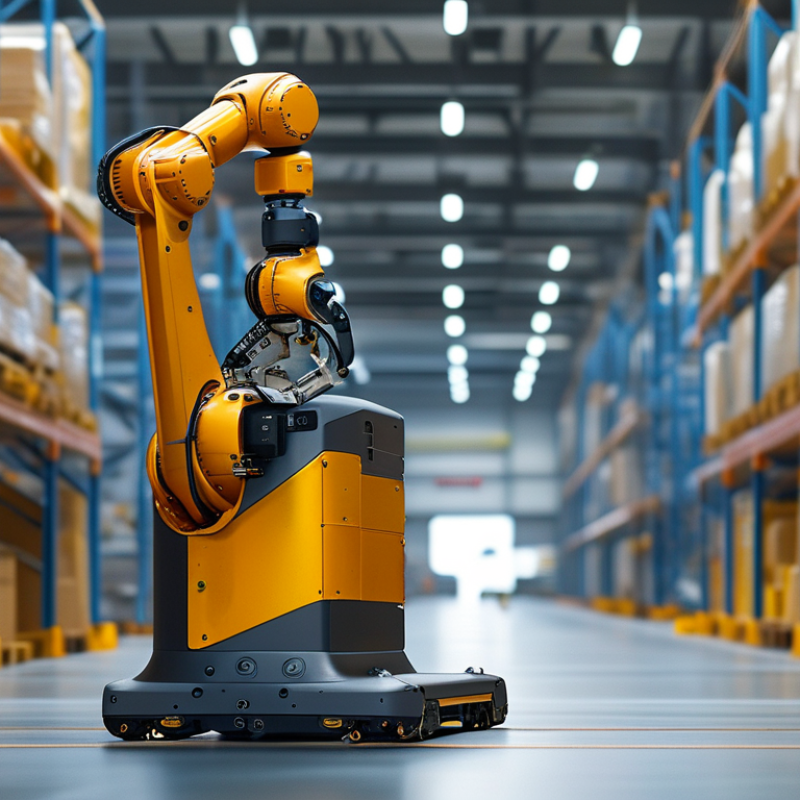
Material handling robots play a critical role in modern industries. They enhance efficiency by automating various tasks. From warehouses to manufacturing floors, these robots help move materials, increase precision, and reduce human labor costs. Understanding their applications can guide businesses in selecting the right models that fit their specific needs.
When choosing a material handling robot, consider the task at hand. Different robots excel in various environments. Some are ideal for stacking pallets, while others are better suited for transporting goods. Assess the layout of your operation. A robot that fits your space can significantly improve workflow. It's crucial to also contemplate the types of materials these robots will handle, as this affects durability and design.
Tips: Evaluate the robot’s payload capacity and reach. Ensure it matches your requirements. Don’t overlook the importance of integrating the robot with existing systems. Compatibility is vital for seamless operation. Additionally, consider the ease of programming and maintenance. A robot that is complicated to program can hinder productivity. Focusing on these aspects can lead to a more efficient selection process.
Key Factors to Consider When Choosing Material Handling Robots
When selecting material handling robots, several key factors must be considered to ensure optimal performance. One major aspect is the robot's payload capacity. According to recent industry reports, nearly 40% of businesses incorrectly estimate the weight of their materials. This can lead to selecting robots that are underpowered and ineffective. Understand your specific material needs. Analyze weights, and choose accordingly.
Next, assess the robot's agility and flexibility. A study conducted by the Robotics Industry Association shows that 30% of operations require robots to navigate varying layouts. Therefore, look for robots that can adapt to changing workflows. The ability to adjust to different tasks can significantly impact overall productivity.
Finally, consider the integration capabilities of the robot. Many companies face challenges connecting new technology with existing systems. Research indicates that 25% of automation projects fail due to poor integration planning. It's crucial to ensure that the chosen robot can work seamlessly within your current operational framework. This attention to detail can prevent costly setbacks and ensure a smoother transition.
Evaluating Robot Types: Mobile vs. Fixed Material Handling Solutions
When evaluating material handling robots, it's crucial to consider the difference between mobile and fixed solutions. Mobile robots are adaptable. They navigate through dynamic environments, transporting goods with ease. They are ideal for warehouses where layout frequently changes. Fixed robots provide stability and reliability for consistent tasks. They excel in assembly lines or scenarios where precision is critical.
Here are a few key tips for choosing the right type. Assess your facility's layout first. If flexibility is essential due to shifting operations, mobile robots may suit your needs better. Conversely, if your process requires repeated, precise movements, fixed robots can enhance efficiency.
Next, consider the payload capacity. Mobile robots often have limitations in weight. Make sure to match the robot's capacity with your heaviest items. Also, think about integration. New systems should interact smoothly with existing technologies. Always pilot test before a full rollout and be ready to make adjustments based on initial performance. Not every solution fits all; learn from the process and evolve.
Assessing Your Warehouse Layout and Workflow for Robot Integration
When integrating material handling robots into your warehouse, understanding your layout and workflow is vital. A well-planned layout can enhance robot efficiency and productivity. According to a survey by Material Handling Institute, 56% of companies reported improved efficiency after automating their processes. Assess the routes taken by your employees. Identify bottlenecks and high-traffic areas. This information helps in determining where robots can be most effective.
Examine the dimensions and design of your space. Aisle width, ceiling height, and storage configurations affect robot movement. For instance, narrow aisles may require smaller or specialized robots to function effectively. The Warehouse Management System (WMS) plays a crucial role in robot operation. In some cases, outdated systems can hinder performance. Ensure that your systems can communicate seamlessly with robotic solutions. Industry data shows that up to 70% of warehouse operations can be optimized with real-time data integration.
Evaluate your workflow alongside your layout. Understand the tasks that will be delegated to robots. Some operations may require human oversight. Balancing automation and human labor is essential for overall effectiveness. Up to 35% of tasks may not be suitable for full automation, emphasizing the need for selective integration. This ensures that both robots and human workers can complement each other, leading to a more productive warehouse environment.
Essential Tips for Choosing Material Handling Robots
| Dimension | Consideration | Impact on Workflow | Recommended Robot Type |
| Warehouse Size | Assess the total area and height of the warehouse. | Affects number of robots required and their positioning. | Autonomous Mobile Robots (AMRs) |
| Layout Configuration | Identify shelving, storage areas, and pathways. | Influences robot navigation and efficiency. | Automated Guided Vehicles (AGVs) |
| Product Types | Determine weight, size, and handling requirements of products. | Determines the lifting capacity and design of the robot. | Robotic Arms |
| Workflow Processes | Analyze current picking, packing, and shipping processes. | Helps identify automation opportunities and integration points. | Collaborative Robots (Cobots) |
| Budget Constraints | Evaluate total cost of ownership including purchase, maintenance, and training. | Critical for determining suitable technology and scale of deployment. | Cost-Effective Mobile Robots |
Budgeting for Material Handling Robots: Costs and ROI Analysis
When budgeting for material handling robots, identifying the initial costs is crucial. Robot prices can vary widely based on features and capabilities. Consider costs like installation, maintenance, and operator training. These hidden costs can affect overall budgeting unexpectedly. Ensure you factor in expenses outside of the purchase price.
Assessing the return on investment (ROI) involves more than just immediate savings. Think about how these robots can reduce labor costs and improve efficiency. A well-chosen robot can handle repetitive tasks, freeing up human workers for more complex jobs. However, evaluating the time it takes to recoup your investment is essential. A realistic timeline can help set expectations and guide your decision-making process.
Finally, keep in mind that choosing the right solution often requires trial and error. Seek out data and case studies to support your choices. Engaging with industry experts can provide insights, but remember that not every solution works universally. Experimentation may be needed to find what best suits your operations.