Essential Tips for Choosing the Right Core Drill Bit?
Choosing the right Core Drill Bit can significantly impact your project’s success. According to drilling expert John Smith, "The right bit can make all the difference in achieving clean, efficient cuts." This statement emphasizes the importance of selecting a suitable drill bit for various materials.
When considering a Core Drill Bit, think about the material you will be drilling. Bits designed for concrete differ from those made for wood or metal. Understanding material compatibility ensures durability and performance. Factors like diameter, length, and type of grit also play a crucial role. Each project may require a different approach, demanding careful consideration.
Many face challenges in making decisions due to insufficient information. It’s easy to misjudge the right bit, leading to wasted time and resources. Reflecting on your past experiences with Core Drill Bits might reveal lessons. A thoughtful approach to choices can enhance efficiency and project outcomes. Make informed decisions to avoid regrets down the line.
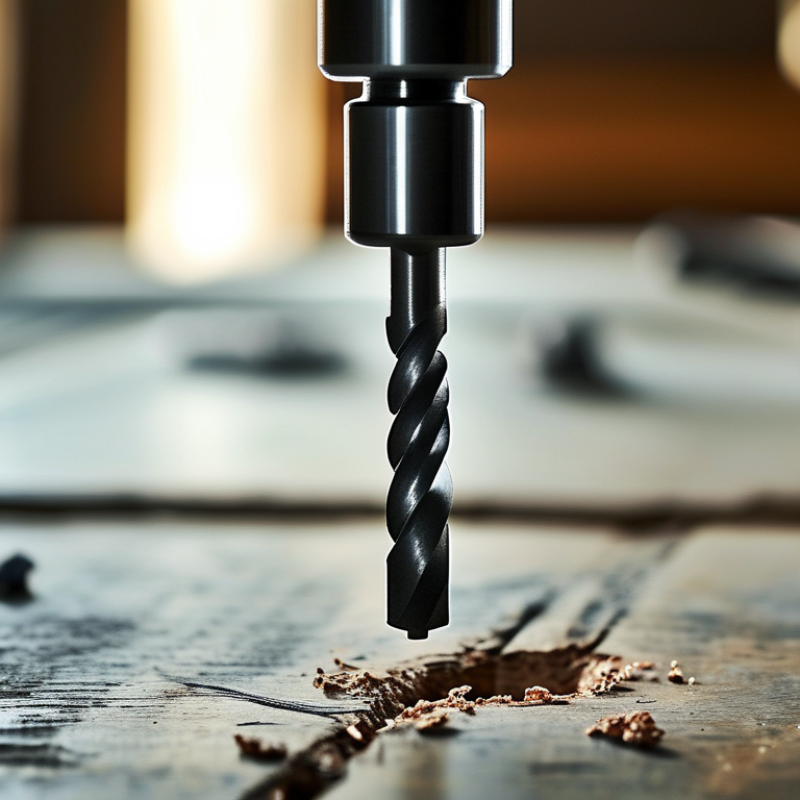
Understanding Different Types of Core Drill Bits Available on the Market
When selecting a core drill bit, it's crucial to know the various types available. The market provides several options tailored for specific materials and tasks. For example, diamond core bits are highly regarded for their efficiency and durability. According to a recent industry report, diamond bits can last up to five times longer than traditional steel bits in concrete applications.
In contrast, carbide-tipped core bits are often used for softer materials, such as wood or masonry. They offer an economical choice but may wear out quicker. The lifespan of carbide bits typically ranges from a few hundred to a couple thousand holes, depending on the material being drilled. Users should consider the specific project requirements and the material to be drilled to choose wisely.
For specialty jobs, hole saw bits and thin-walled bits serve precise purposes. Hole saw bits are effective for creating larger diameter holes, making them favorable for plumbing and electrical installations. On the other hand, thin-walled bits can provide cleaner cuts but may require careful handling. Each type of bit has its unique attributes, so assessing your project needs will lead to better outcomes and potentially fewer costly mistakes.
Key Factors to Consider When Selecting a Core Drill Bit
When selecting a core drill bit, several key factors come into play. The material of the drill bit matters significantly. For instance, diamond bits are preferred for tough materials. Research shows that diamond bits can last 30 times longer than standard steel bits in concrete applications. This durability is crucial for efficient drilling and minimizing downtime.
Consider the diameter and length of the bit. A bigger diameter allows for larger cores but can be harder to control. According to industry reports, drill bits with a diameter exceeding 6 inches can pose challenges in precision. Proper length is also vital; a longer bit may reach deeper but requires more power and can increase wear on the equipment.
Additionally, focus on the type of application. Wet drilling can cool the bit and improve performance. A report from the Construction Industry Association highlights that wet drilling can reduce dust and enhance safety. Cultivating awareness of these details leads to informed choices. While there are many options available, understanding the specific needs of a project is essential for optimal results.
Material Compatibility: Matching Drill Bits to Your Project Needs
Choosing the right core drill bit is crucial for the success of any project. Material compatibility plays a significant role in this decision. Different materials require specific drill bits to ensure efficiency and durability. For example, diamond bits are ideal for concrete, while carbide bits excel with softer materials like wood and plastics. According to industry reports, incorrect bit selection can lead to 30% higher costs due to increased wear and tear.
When assessing your project needs, consider the material you will be drilling. For masonry, use diamond core bits to penetrate hard surfaces effectively. Meanwhile, for metal, a high-speed steel (HSS) core bit is recommended. It is essential to evaluate each material's density and hardness and choose accordingly.
Tips: Always check the manufacturer's specifications for recommended materials. Understand wear patterns on your drill bits—this can inform future purchases. Regularly inspect your tools to prevent costly delays. Remember, investing time in selecting the appropriate drill bit can save both time and resources in the long run. A mismatched bit may lead to inefficient drilling and potential safety hazards.
Evaluating Bit Size and Length for Effective Drilling Performance
When selecting a core drill bit, evaluating bit size and length is crucial for optimal performance. A report from the International Tool Association indicates that over 70% of drilling failures are due to incorrect bit sizes. Choosing the right diameter ensures efficient removal of material and reduces wear on the drill. For instance, a bit that is too small can cause excessive friction, leading to quicker damage. Conversely, a larger bit may create unnecessary strain on the equipment.
The length of the drill bit is equally important. According to research by the Drilling Industry Council, longer bits can lead to stability issues, which can compromise the accuracy of drilling. A bit that is too long may flex under pressure, resulting in misalignment. Ideally, the length should match the thickness of the material being drilled. Practical testing suggests that the most effective length is one that allows for easy control while providing enough reach for various applications.
Furthermore, factors such as the material being drilled and the drill speed also influence the choice. Many professionals find it challenging to balance these aspects. The perfect bit can vary from one project to another, making it essential to analyze each situation carefully. It’s not just about having the right tools; it’s about knowing which tools to use and when to use them effectively.
Recognizing Quality Indicators in Core Drill Bit Manufacturing and Design
Choosing the right core drill bit can significantly impact project efficiency. High-quality core drill bits are characterized by specific design features and manufacturing techniques. One important aspect is the material composition. Bits made with diamond or carbide tend to outperform others in durability. A report by the Mechanical Engineering Institute indicates that diamond bits last on average 30% longer than alternatives.
Another quality indicator is the bit's bonding method. The matrix bonding affects the wear rate and cutting performance. Inadequate bonding can lead to premature failure. Research shows that bits with optimized bonding achieve up to 25% better performance on hard surfaces. This not only reflects the manufacturing quality but also impacts overall project costs.
Design features such as flute shape, core clearance, and segment height play crucial roles. A well-designed core drill reduces friction and enhances material removal. Despite advancements in technology, some manufacturers still overlook these details, leading to subpar products entering the market. Professionals should always verify a drill bit's specifications and application suitability.