The Duravant family of operating companies serve the food processing, packaging and material handling segments.

Choosing the right Mechanical Seals can determine whether a pump runs reliably or stops during a critical production cycle. A seal may look small, yet its faces operate under pressure, heat, vibration, and chemical attack. One overlooked detail can create leakage, product loss, or an unexpected shutdown. Small part. Serious consequences.
Robert Flitney, a respected sealing-technology author, offers a useful principle: “Seal performance depends on the complete operating environment, not one component alone.” This reminder gives the selection process a practical direction. Engineers must examine fluid properties, pressure, temperature, shaft speed, equipment alignment, and installation conditions together. A seal suitable for clean water may fail quickly with abrasive slurry or crystallizing chemicals. The shiny option is not always the correct option.
This guide presents ten practical tips for evaluating Mechanical Seals with greater confidence. It considers material compatibility, face combinations, elastomer selection, balanced designs, flush plans, and maintenance access. API 682 and ISO 21049 can provide valuable guidance, but standards do not replace field judgment. A real pump may face clogged piping, dry starts, or imperfect alignment. That is where experience matters. Even careful engineers sometimes select a technically acceptable seal that proves difficult to maintain. That possibility deserves attention. The goal is not simply to stop leakage. It is to achieve dependable operation, protect workers and equipment, and reduce avoidable maintenance over the seal’s working life.
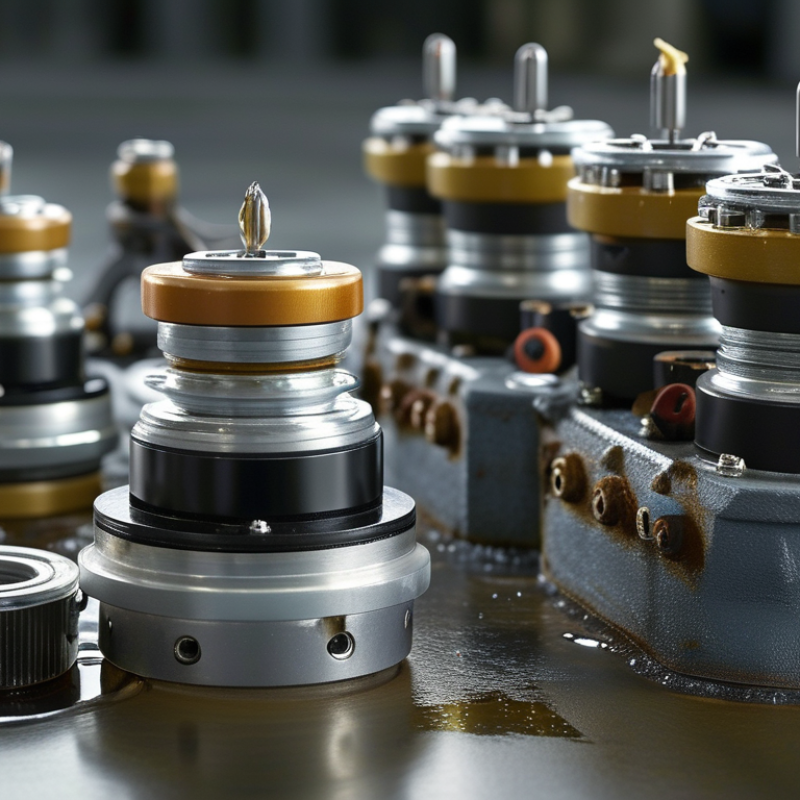
10 Tips for Choosing the Right Mechanical Seals
Understanding Mechanical Seal Types and Their Applications
A mechanical seal prevents fluid leakage where a rotating shaft enters a pump or mixer. The correct type depends on pressure, temperature, speed, and fluid properties. Pusher seals suit many general-purpose pumps, while non-pusher designs handle movement without sliding secondary seals. Cartridge seals arrive pre-assembled and reduce installation errors. Split seals can be installed without removing large shafts, saving valuable maintenance time. I have found that convenience matters, but not when it hides poor material selection.
Tip 1: Match the seal to the fluid. Water, solvents, slurry, and corrosive chemicals demand different faces and elastomers. Carbon and ceramic faces often suit clean liquids, while harder materials may resist abrasive particles. For hot service, check the temperature limits of every component, not only the seal faces. Small oversights can create large failures. They happen.
Tip 2: Confirm operating conditions with measured data. Review pressure fluctuations, shaft runout, dry-running risk, and startup frequency. Balanced seals can reduce face loading at higher pressures. Mixer applications may need specialized designs because shaft movement and suspended solids affect performance. A split seal may be practical for an emergency repair, yet a cartridge seal may offer better repeatability during planned maintenance. Ask the technician who installed the previous seal what actually failed. Drawings rarely tell the whole story.
Choosing the right mechanical seal starts with the fluid, not the equipment catalogue. Water, oil, solvents, acids, and abrasive slurries attack materials in different ways. Carbon graphite often suits clean liquids, while silicon carbide handles hard particles and chemical exposure more effectively. Tungsten carbide can resist heavy wear in demanding slurry service. Check the chemistry.
Temperature and pressure can change a suitable material into a failure point. Elastomers must tolerate the fluid without swelling, hardening, or losing elasticity. EPDM generally performs well with water and steam, while fluorocarbon elastomers often suit oils and higher temperatures. PTFE handles many aggressive chemicals, but it may deform under pressure without proper support. Heat changes everything.
Field inspections frequently reveal damage that material charts alone cannot predict. A seal may look chemically compatible yet fail because of dry running, sudden temperature changes, or shaft vibration. I have learned to examine startup conditions, not only normal operation. Ask how long the pump sits idle, whether solids settle inside it, and whether flushing water is reliable. Small details matter. When the fluid contains grit, a harder face may help, but excessive hardness can increase running sensitivity. Laboratory testing with the actual fluid, temperature, and pressure remains the safer choice. A rushed selection can appear economical until leakage interrupts production.
| Tip | Selection Dimension | Operating Condition to Check | Suitable Material or Design Direction | Typical Application Guidance | Risk if Mismatched |
|---|---|---|---|---|---|
| 1 | Identify the pumped fluid | Determine chemical composition, concentration, pH, solids content, and whether the fluid is corrosive or abrasive. | Use corrosion-resistant wetted parts such as silicon carbide, ceramic, corrosion-resistant metal alloys, or chemically compatible elastomers. | Water, oils, solvents, acids, alkalis, slurries, and process chemicals require different material combinations. | Chemical attack, swelling, cracking, leakage, and shortened seal life. |
| 2 | Match the elastomer to the fluid | Check temperature, chemical exposure, pressure, and whether the elastomer contacts mineral oil, water, steam, or aggressive chemicals. | EPDM is commonly suited to hot water and steam; FKM is often used with oils and many hydrocarbons; PTFE offers broad chemical resistance but has limited elasticity. | Confirm the exact compound and service limits because compatibility varies with concentration, temperature, and pressure. | Elastomer hardening, softening, swelling, extrusion, or loss of sealing force. |
| 3 | Evaluate temperature limits | Record normal, minimum, maximum, startup, shutdown, and transient temperatures. | Select face materials and elastomers with suitable continuous and peak temperature ratings. Consider cooled, heated, or dual-seal arrangements when necessary. | High-temperature oils, hot water, thermal fluids, and cryogenic services may require specialized material and support systems. | Thermal distortion, carbonization, elastomer degradation, face separation, or premature failure. |
| 4 | Check pressure and pressure changes | Assess operating pressure, pressure spikes, pressure direction, and the pressure difference across the seal faces. | Use a pressure-rated seal design with suitable face loading, balanced geometry, and anti-extrusion support where required. | High-pressure pumps and systems with rapid pressure cycling need verification beyond the nominal operating pressure. | Face opening, leakage, extrusion, deformation, or mechanical instability. |
| 5 | Consider shaft speed | Measure rotational speed, shaft diameter, and surface speed at the seal faces. | Use balanced faces, low-friction materials, suitable spring architecture, and adequate heat removal for high-speed service. | High-speed rotating equipment may require careful control of face loading, alignment, lubrication, and dynamic balance. | Excessive heat, face wear, vibration, leakage, and unstable operation. |
| 6 | Account for abrasives and suspended solids | Identify particle size, hardness, concentration, and the tendency of solids to settle or crystallize. | Silicon carbide faces are commonly selected for abrasive or dirty services because of their high hardness. Use robust faces and protective circulation where appropriate. | Slurry pumps, wastewater, mineral processing, and crystallizing fluids require contamination control and suitable face materials. | Abrasive wear, grooving, face damage, clogging, and rapid leakage. |
| 7 | Choose compatible seal faces | Review lubrication quality, fluid cleanliness, temperature, speed, and chemical exposure. | Carbon-graphite is often used for good tribological performance; silicon carbide and tungsten carbide provide high hardness and wear resistance. Pairings must be selected for the actual service. | A hard-versus-carbon pairing may suit many clean fluids, while hard-versus-hard pairings can be useful in abrasive or poorly lubricated conditions. | Scoring, blistering, excessive friction, heat generation, or face fracture. |
| 8 | Review lubrication and dry-running risk | Determine whether the seal faces remain wetted during startup, shutdown, priming loss, or intermittent operation. | Select materials and a design capable of tolerating brief loss of lubrication, but do not treat dry-running capability as unlimited. | Installers should prevent pump operation without fluid and provide a flush, quench, or monitoring system when required. | Rapid face overheating, thermal cracking, transfer-film loss, and immediate leakage. |
| 9 | Assess installation and equipment movement | Check shaft runout, misalignment, vibration, bearing condition, thermal growth, and available installation space. | Use a seal design that accommodates the measured movement, while correcting excessive runout, misalignment, and vibration at the equipment level. | A well-selected seal cannot compensate for damaged bearings, bent shafts, poor fits, or incorrect installation. | Uneven face loading, fretting, spring fatigue, vibration-related leakage, and premature wear. |
| 10 | Plan for safety, maintenance, and verification | Consider hazardous fluids, emissions limits, inspection intervals, spare availability, and applicable safety requirements. | Use single or dual seals, containment systems, monitoring, and documented material specifications according to the risk level. | Critical, toxic, flammable, or environmentally sensitive services may require secondary containment and a defined maintenance procedure. | Personnel exposure, environmental release, unplanned downtime, and non-compliance with site requirements. |
Choosing the right mechanical seal starts with real operating data, not catalog dimensions. Record normal pressure, peak pressure, vacuum conditions, and startup surges. A pump may face a brief pressure spike during acceleration. Ignore that detail, and leakage can appear early. Confirm fluid chemistry, solids, viscosity, and crystallization risk. Small abrasive particles can score sealing faces like fine sand.
Temperature needs equal attention. Measure fluid temperature, housing temperature, and nearby heat sources. Do not rely on an average reading. Actual heat can be uneven. Shaft speed also affects face loading and heat generation. Check continuous speed, acceleration, and possible overspeed. A seal suitable at 1,450 rpm may struggle at 3,000 rpm. Review shaft diameter, runout, vibration, and axial movement. These equipment conditions often explain failures blamed on seal quality.
Fit matters beyond dimensions. Check chamber depth, gland fit, bolt pattern, shaft condition, and available installation space. Select face materials and elastomers for chemical compatibility and the full temperature range. Consider dry running during priming or accidental operation. It happens more often than maintenance reports admit. Verify flush, cooling, or quench requirements before installation. Then perform a controlled pressure test and record early operating data. One imperfect assumption can still remain. Revisiting the selection after the first inspection is sensible, especially when speed, temperature, or pressure differs from the original estimate.
Choosing the right mechanical seal starts with accurate operating data. Record the fluid, temperature, pressure, shaft speed, and equipment type. Do not rely on memory. A small error can cause early leakage. Match the seal design to the application. Balanced designs suit higher pressures, while simple unbalanced designs may fit moderate service. Select compatible face materials for the fluid and temperature. Hard faces often resist wear, but they still need clean lubrication.
Check shaft diameter, housing dimensions, and available installation space. Measure the equipment instead of trusting an old drawing. Confirm whether the seal is inside-mounted or outside-mounted. Review elastomer movement and chemical compatibility. Some materials swell quickly in oils or solvents. Spring selection also matters. A clogged spring can lose its closing force. Keep the seal’s operating limits below the equipment’s real conditions, not only its ideal conditions.
Installation features deserve equal attention. Inspect the shaft for grooves, burrs, and runout before fitting the seal. Clean every contact surface. Avoid touching faces with dirty gloves. Use the specified lubricant and never force the seal over sharp edges. Check alignment, gland fit, and flushing connections. A test run should monitor leakage, temperature, vibration, and noise. In practice, I still recheck measurements before approval; rushing this step has caused avoidable failures. Even a well-designed seal can perform poorly when installation details are treated as minor.
10 Tips for Choosing the Right Mechanical Seals
Checking Reliability, Maintenance Needs, and Total Operating Cost
A reliable mechanical seal starts with accurate operating data. Record fluid type, temperature, pressure, shaft speed, and equipment alignment. Do not rely on old drawings alone. Field conditions often differ.
Choose materials that match the fluid and temperature range. Check face hardness, elastomer compatibility, and corrosion resistance. Ask for documented test results and service references. A seal that survives one clean-water pump may fail quickly with abrasive slurry. Small leaks matter.
Maintenance needs affect real cost. Examine access around the seal before purchasing. Can technicians inspect it without removing nearby piping? Look for designs with clear installation instructions, replaceable components, and available spare parts. Keep spares realistic. Excess inventory also ties up money.
Calculate more than the purchase price. Include energy loss, leakage-related cleaning, production interruptions, labor, and disposal costs. A low-cost seal may require frequent adjustments. That can become expensive within months. I once saw a seal selected correctly on paper but installed in a poorly aligned pump. The failure was blamed on the product first. The actual problem was installation practice.
Use condition monitoring when the equipment is critical. Track leakage, vibration, temperature, and operating hours. Set inspection intervals based on evidence, not habit. A spreadsheet can still mislead when readings are incomplete. Review failure records with maintenance staff and operators. Their practical observations often reveal issues that specifications miss.