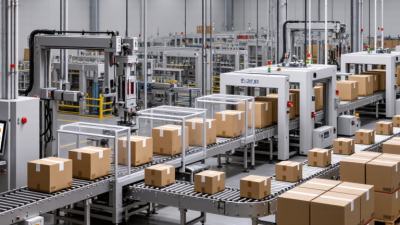
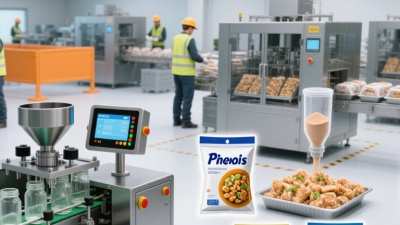
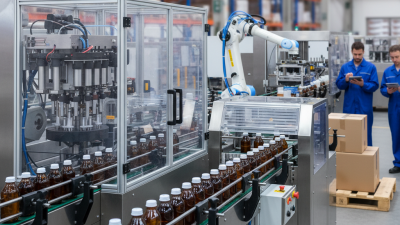
The Duravant family of operating companies serve the food processing, packaging and material handling segments.

China has become a major sourcing destination for automated packaging equipment, with manufacturers serving food, beverage, pharmaceutical, personal-care, and industrial producers. Yet “top” should not mean simply the largest catalogue or lowest quoted price. Buyers need to examine machine design, production fit, documented quality controls, service coverage, and the availability of spare parts. A fast filler is of little value if frequent format changes leave it idle.
The equipment itself is tangible: stainless-steel frames, guarded conveyors, sensors, filling heads, seal jaws, and control panels must work as one line. A useful principle comes from W. Edwards Deming, the industrial quality-management expert: “It is not necessary to change. Survival is not mandatory.” His words were not specifically about packaging machinery, but they underline a practical point: manufacturers must adapt as production needs evolve. Automation can help, but only when matched to the product, package, throughput, and operators who will run it.
This guide introduces leading Chinese manufacturers and the factors that distinguish their offerings. It considers machine range, customization, integration, technical support, and evidence of consistent performance. Company claims deserve careful checking; brochures rarely show every production constraint. Some details may remain uncertain until a buyer reviews specifications, tests samples, or visits a factory. That is worth admitting. Choosing equipment is a long-term operational decision, not a catalogue exercise.
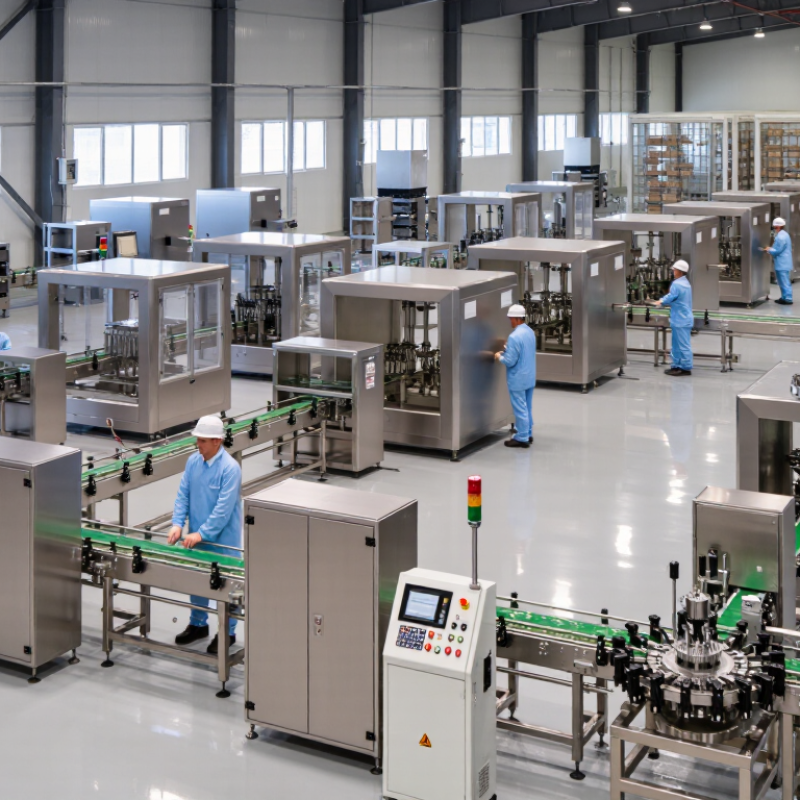
China’s automated packaging equipment industry spans filling, weighing, sealing, labeling, cartoning, and palletizing systems. A production line may combine conveyors, sensors, control software, and inspection cameras. Together, these components help manage repeatable tasks and product flow. The scope extends from standalone machines to integrated lines designed around a factory’s floor space and output needs. Small details matter: container shape, seal temperature, and label position can all affect performance.
Development is shaped by demand for faster changeovers, steadier quality checks, and less manual handling. Equipment makers are adding flexible controls and vision systems, though capabilities differ across suppliers. “Automated” does not always mean unattended. Operators still need to load materials, clear jams, and monitor settings. That matters. Buyers should assess real samples, cleaning access, spare-part availability, and integration with existing equipment. A polished demonstration may not reveal slow changeovers or awkward maintenance. Progress is real, but not uniform; practical testing remains essential.
China’s packaging equipment manufacturers produce systems for filling, sealing, labeling, cartoning, and palletizing. Liquid fillers may use flow meters or piston dosing, depending on product thickness and target accuracy. Capping machines control torque so closures stay secure without damaging containers. Labelers use optical sensors to detect package position and apply labels evenly. Small details matter. A crooked label can slow inspection and create avoidable rework.
Automation links these machines through programmable logic controllers, servo drives, and conveyor controls. Vision systems check label placement, cap position, or package presence before items move downstream. Robotic pick-and-place units can handle cases or arrange products into cartons, while palletizers build stable loads for storage. Sensors also stop equipment when a guard opens or a jam forms. Data dashboards can track speed, stoppages, and material use, though their value depends on accurate setup and consistent operator input. Automation is not a cure-all. A line may look impressive in a demonstration yet struggle with frequent size changes. Before selecting equipment, buyers should test actual containers and materials, review changeover steps, and confirm that operators can reach routine adjustment points.
| Equipment Type | Primary Packaging Function | Common Automation Technologies | Typical Applications |
|---|---|---|---|
| Form-Fill-Seal Machines | Form packages from roll stock, fill them with product, and seal them in a continuous or indexed process. | PLC control, servo-driven film feed, temperature control, photoelectric registration sensors, and automatic filling systems. | Pouches, sachets, bags, and selected thermoformed packs for food, personal care, and household products. |
| Cartoning Machines | Open cartons, load products or inner packs, and close or seal the cartons. | PLC and HMI controls, servo positioning, carton-presence sensors, product detection, and automatic fault alarms. | Secondary packaging for food, cosmetics, pharmaceuticals, and consumer goods. |
| Case Packers and Case Erectors | Form shipping cases and group individual packages into cases for distribution. | Programmable controls, conveyor coordination, photoelectric sensors, servo or pneumatic actuators, and robotic loading on some systems. | Bottles, cans, cartons, pouches, and other retail packs prepared for transport. |
| Robotic Pick-and-Place Systems | Pick, orient, group, and transfer products between conveyors, trays, cartons, or cases. | Industrial or delta robots, machine vision, end-of-arm tooling, motion control, and safety interlocks. | High-speed handling of packaged foods, personal-care products, and lightweight consumer goods. |
| Labeling and Coding Machines | Apply labels and print variable information such as dates, batch codes, or barcodes. | Label sensors, encoder-based synchronization, vision inspection, print-and-apply controls, and reject mechanisms. | Bottles, jars, cartons, flexible packs, and shipping cases requiring identification or traceability. |
| Checkweighers and Inspection Systems | Check package weight and inspect selected product or package attributes; remove units that fail configured criteria. | Load cells, photoelectric sensors, machine vision, metal detection or X-ray inspection where specified, and automatic rejection controls. | In-line quality checks for packaged food, pharmaceuticals, and other manufactured products. |
| Wrapping and Bundling Machines | Wrap products or group multiple items into a bundle for retail display or shipment. | PLC sequencing, servo film control, product detection, temperature regulation for heat sealing, and conveyor synchronization. | Multipacks, trays, cartons, and grouped consumer products. |
| Palletizing and Stretch-Wrapping Systems | Stack cases or bags onto pallets and secure completed loads for handling and transport. | Robotic or layer palletizing, programmable pallet patterns, conveyor sensors, safety systems, and automatic stretch-film control. | End-of-line handling of cases, bags, and other unit loads. |
Note: Technologies and applications vary by machine configuration, product requirements, and production-line integration.
Chinese automated packaging equipment manufacturers often focus on distinct stages of production. Some specialize in filling and capping, building lines for liquids, powders, or granular products. Others concentrate on labeling, cartoning, and case packing. Their expertise shows in practical details: stable bottle spacing, clean changeovers, and cartons that close squarely at line speed.
End-of-line specialists design conveyors, case packers, and palletizing cells. Integration teams connect these machines with sensors, control systems, and existing production lines. Their work is less visible, but poor handoffs can cause recurring stops. Fit matters.
Buyers can assess capability through factory acceptance tests using their own containers, labels, and products. Ask for measured output, changeover time, and reject rates, not only a headline speed. Still, a short trial may not reveal every maintenance issue. That is worth remembering.
Service response, spare-part access, and operator training also distinguish capable suppliers. Some equipment is highly customizable, yet frequent adjustments can make daily operation harder than expected. A careful review of drawings, sample runs, and cleaning access helps expose those trade-offs before installation.
In China, automated packaging equipment serves food, beverage, pharmaceutical, cosmetics, household-goods, and electronics producers. The needs vary sharply. A snack line may pair a multihead weigher, vertical bagger, and date coder. Beverage plants often link rinsing, filling, capping, labeling, and case packing. For frozen foods, sealed film and steady portion control matter; condensation can still disrupt sensors. Small details count.
Pharmaceutical and personal-care facilities often prioritize cleanable contact surfaces, repeatable dosing, tamper-evident closures, and traceable batch data. Cartoners, blister systems, bottle fillers, and inspection stations can be configured around product shape and changeover frequency. Electronics makers use compact lines for trays, protective inserts, labels, and outer cartons, where static control and gentle handling help limit damage. Agricultural processors need durable bagging and sealing for seasonal volumes, with dust management near conveyors. There is no universal line. Factory visits can reveal floor-space limits, operator access, washdown routines, and utility needs. Yet estimates may overlook frequent product changes. Buyers can compare sample runs and trial data, not just stated speed. Some changeovers remain slower than expected.
When comparing automated packaging equipment manufacturers in China, assess the complete line, not just the machine price. Request a live trial using your actual product, film, cartons, and target speed. Record good-pack rates, changeover time, reject handling, and stoppages. Small details matter: Can an operator clear a jam without tools? Are recipe settings easy to restore? A polished factory video is weak evidence; it rarely shows a difficult changeover.
The International Federation of Robotics reported 541,302 industrial robot installations worldwide in 2023, with 70% in Asia, in its World Robotics 2024 report. This shows the region’s strong automation base, but it does not verify any supplier’s packaging-line performance. Check integration experience, controls documentation, spare-parts availability, and response times. Ask for references with similar products and line speeds. Numbers help. So do clear service commitments.
Tips: Put acceptance criteria in writing before ordering. Include sustained output, changeover, reject rate, and training. Ask who handles commissioning and remote support, and how quickly critical parts can ship. Compare total operating cost over several years, not only the quoted price. One caveat: promised throughput can depend on product consistency, so test realistic variations too.
Typical throughput ranges are one practical factor when comparing equipment suppliers. Actual speeds depend on the product, packaging material, format, and line configuration.
Indicative equipment-category ranges, not a performance guarantee or a manufacturer comparison. Verify rated and sustained output for your specific application.