

The Duravant family of operating companies serve the food processing, packaging and material handling segments.















Top Food Bagging Machine Manufacturers for Global Buyers
Choosing reliable food bagging machine manufacturers is a practical decision, not a simple price comparison. Global buyers must examine filling accuracy, sealing strength, production speed, and after-sales support. A machine that performs well during a factory demonstration may behave differently in a humid plant or during continuous operation. Real experience matters here. Operators notice details that brochures often miss, such as film tracking, cleaning time, noise, and difficult control panels.
This guide introduces leading manufacturers serving international food-processing businesses. It considers engineering capability, customization, certifications, spare-parts availability, and technical training. Buyers can compare vertical and horizontal systems, multihead weighers, auger fillers, and premade pouch solutions. Product type matters. Powdered products, frozen foods, snacks, and fragile ingredients require different handling methods. Reliable suppliers should explain these differences clearly and provide test results using the buyer’s actual product. Transparent communication builds trust.
No shortlist is perfect. Some manufacturers publish limited performance data, while others emphasize impressive speeds without explaining operating conditions. Buyers should ask for references, sample packaging, maintenance records, and realistic output figures. A thoughtful evaluation also includes local voltage, packaging materials, factory space, and future expansion plans. These details can prevent expensive surprises after installation. The best food bagging machine supplier is not always the largest company. It is the partner that offers stable equipment, responsible guidance, and support when production becomes demanding. That standard deserves careful review.
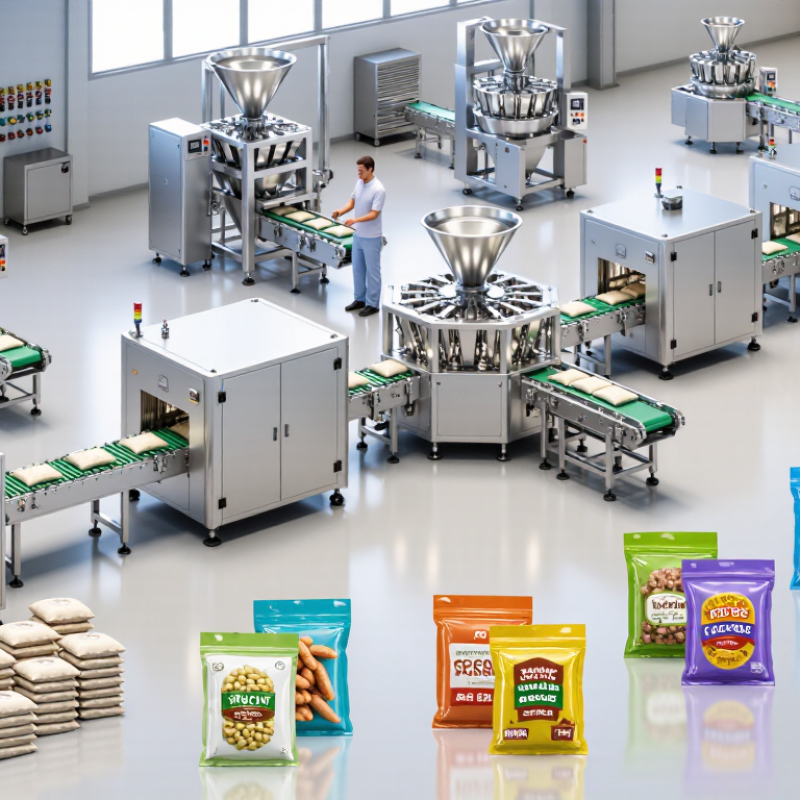
Table of Contents
[Hide]
Food Bagging Machine Types and Speeds: 20–120 Bags per Minute
Top Food Bagging Machine Manufacturers for Global Buyers
Food bagging machines commonly include vertical form-fill-seal, horizontal form-fill-seal, and premade pouch systems. Vertical machines often run at 30–120 bags per minute for snacks, grains, and powders. Premade pouch machines usually operate between 20 and 60 bags per minute. Product flow, bag size, sealing temperature, and film quality can change these figures.
Speed is not everything. A 120-bag-per-minute claim may apply only to small, stable products under controlled conditions. Fragile foods, sticky powders, or irregular pieces often require slower speeds. In factory trials, multihead weighers can improve accuracy, but they may increase setup complexity. PMMI’s 2024 Packaging Machinery Shipments Study reported continued demand for automated packaging equipment, while labor shortages remained a major investment driver. Grand View Research estimates the global food packaging market will grow at about 5.5% annually from 2024 to 2030. These figures support automation, but they do not replace product testing.
Tips: Ask manufacturers for a live test using your product and packaging film. Measure sustained output, not the highest display speed. Check seal strength, rejected bags, changeover time, and cleaning access. Allow for changeover. A machine producing 70 good bags per minute may outperform one producing 110 bags with frequent rejects. Review electrical standards, spare-part access, operator training, and local service coverage before purchasing. Report sources: PMMI, Packaging Machinery Shipments Study, 2024; Grand View Research, Food Packaging Market Size Report, 2024.
Top Food Bagging Machine Manufacturers for Global Buyers - Food Bagging Machine Types and Speeds: 20–120 Bags per Minute
| Machine Type | Typical Speed | Common Bag Style | Suitable Food Products | Typical Weighing or Dosing Method | Typical Pack Range | Key Advantages | Important Buying Considerations |
|---|---|---|---|---|---|---|---|
| Premade Pouch Filling and Sealing Machine | 20–60 bags/min | Stand-up pouch, flat pouch, zipper pouch | Snacks, nuts, dried fruit, frozen food, pickles, sauces | Multihead weigher, linear weigher, volumetric cup, or liquid pump | Approximately 50 g–2 kg | Attractive finished packs, flexible pouch formats, easy integration with different dosing systems | Check pouch dimensions, zipper handling, seal-jaw configuration, product spillage control, and changeover time |
| Vertical Form-Fill-Seal Machine | 30–120 bags/min | Pillow bag, gusseted bag, block-bottom bag | Rice, grains, sugar, flour, cereals, snacks, powders | Multihead weigher, linear weigher, auger filler, or volumetric cup | Approximately 10 g–5 kg | Efficient use of roll film, broad package-size range, and high production flexibility | Confirm film compatibility, sealing performance, dust management, product flow, and target bag dimensions |
| Auger Powder Bagging Machine | 20–80 bags/min | Pillow bag, sachet, stick pack, premade pouch | Flour, spices, milk powder, coffee, cocoa, baking mixes | Servo-driven auger filler | Approximately 10 g–2 kg | Controlled dosing for powders and good adaptability to different powder densities | Evaluate powder flowability, dust extraction, auger design, hopper agitation, and cleaning requirements |
| Granule and Free-Flowing Product Bagging Machine | 30–100 bags/min | Pillow bag, gusseted bag, quad-seal bag | Rice, beans, lentils, seeds, pellets, confectionery | Multihead weigher, linear weigher, or volumetric cup | Approximately 100 g–5 kg | Fast dosing, suitable for free-flowing products, and compatible with automatic checkweighing | Review product breakage, hopper size, target accuracy, discharge height, and anti-static requirements |
| Liquid and Semi-Liquid Filling and Sealing Machine | 20–70 bags/min | Flat pouch, stand-up pouch, sachet | Cooking oil, sauces, dressings, honey, yogurt, liquid condiments | Piston filler, flowmeter, gear pump, or peristaltic pump | Approximately 10 ml–2,000 ml | Accurate liquid dosing and compatibility with a wide range of food viscosities | Check product temperature, viscosity, foaming behavior, hygienic design, nozzle drip control, and clean-in-place needs |
| Premade Bag Vacuum Packaging Machine | 20–50 bags/min | Vacuum pouch, flat pouch, retort pouch | Fresh meat, seafood, cheese, processed foods, marinated products | Manual, semi-automatic, or automatic product loading followed by vacuum sealing | Approximately 100 g–5 kg | Helps reduce oxygen exposure and supports extended product protection when used with suitable packaging materials | Assess vacuum level, seal integrity, chamber size, moisture handling, product loading method, and film barrier properties |
| Continuous Band Sealer with Gas Flushing | 20–40 bags/min | Preformed laminated or polyethylene bags | Snacks, bakery products, powders, grains, dried foods | Pre-weighed or pre-filled product; continuous heat sealing with optional gas flushing | Approximately 100 g–10 kg | Simple operation, suitable for smaller production lines, and relatively quick installation | Confirm bag material, sealing width, gas type, conveyor load, seal temperature range, and atmosphere-control requirements |
| Multi-Lane Sachet Packaging Machine | 60–120 bags/min | Four-side-seal sachet, stick pack | Instant coffee, seasonings, sauces, sugar, powdered drink mixes | Auger, pump, liquid piston, or volumetric dosing system | Approximately 1 g–100 g | High output from multiple lanes and consistent small-format packaging | Check lane count, sealing-film accuracy, dosing synchronization, tear-notch design, and product changeover requirements |
| Weigh-Fill-Seal System with Checkweigher | 40–100 bags/min | Pillow bag, gusseted bag, stand-up pouch | Snack foods, nuts, frozen products, grains, pet-food products | Multihead weigher with integrated checkweigher and reject device | Approximately 20 g–2 kg | Supports high weighing accuracy, automatic quality checks, and reduced giveaway | Compare target accuracy, product-contact materials, memory settings, reject verification, and data-recording functions |
Related Posts
-
2026 Top Food Bagging Machine Innovations and Benefits?
-
Top Food Bagging Machines for Global Buyers to Consider?
-
2025 Top 10 Packaging Systems Innovations to Boost Your Business Efficiency
-
Why Is Packing Equipment Essential for Efficient Supply Chain Management?
-
Top 10 Industrial Food Packaging Machines for Your Production Line
-
7 Best Wrapping Machines for Global Buyers?