Top Directional Hydraulic Valve Trends for 2026 Canton Fair?
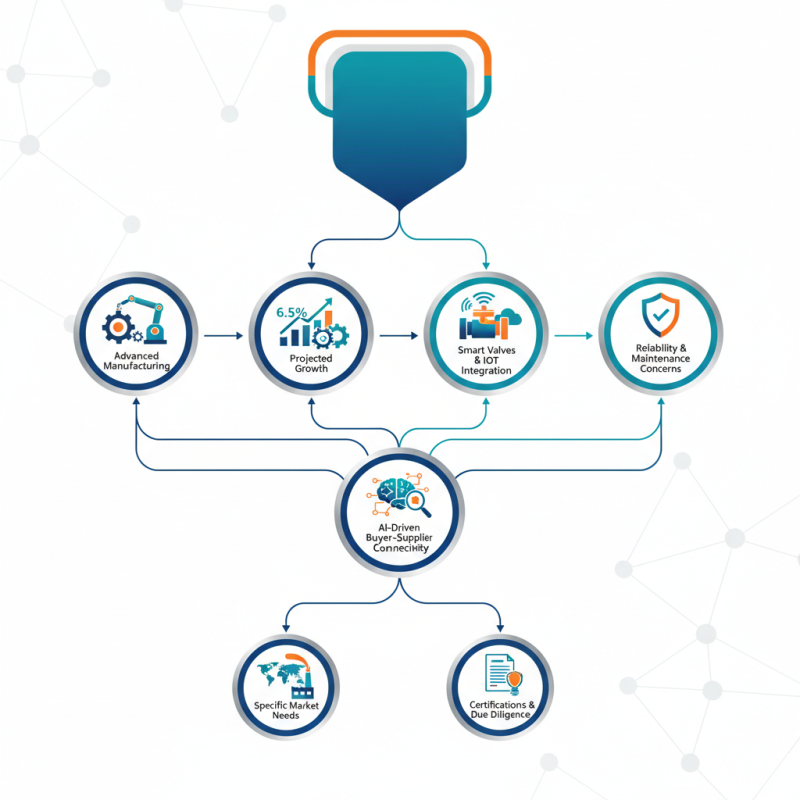
The upcoming 2026 Canton Fair will showcase significant trends in the Directional Hydraulic Valve industry. With advanced manufacturing as a focal point in one of the event's phases, this sector is poised for transformation. Reports indicate a projected growth rate of 6.5% in hydraulic valve technologies by 2026, driven by increasing automation in various sectors.
Directional Hydraulic Valves play a crucial role in machinery and automation processes. They control the flow and direction of hydraulic fluids, enabling efficient operation in construction, agriculture, and manufacturing. As the demand for more efficient systems rises, suppliers are shifting to smart valves that integrate with IoT technology. Such innovations could increase performance but raise concerns about reliability and maintenance standards.
The 2026 Canton Fair aims to enhance buyer-supplier connectivity through AI-driven tools. These features improve vendor selection efficiency and can significantly impact the Hydraulic Valve market. However, it is not just about technology; understanding specific market needs remains essential. Not all suppliers will meet required certifications. Proper due diligence is necessary to navigate this evolving landscape effectively.
Emerging Technologies in Directional Hydraulic Valves for 2026
The emergence of new technologies in directional hydraulic valves for the 2026 Canton Fair showcases significant advancements. These valves are essential for controlling fluid flow in various machinery. Innovative designs are being introduced that enhance efficiency and reduce energy consumption.
One trend is the integration of smart technology. Remote monitoring features are now common. This allows real-time data tracking for operational optimization. Additionally, some valves now feature advanced materials that improve durability. These changes can lead to lower maintenance costs. However, integrating new technologies can be challenging. Training may be required to adapt to these innovations.
Moreover, sustainability is becoming increasingly important. Many manufacturers focus on eco-friendly materials and designs. This shift aims to reduce environmental impact significantly. While there are benefits, there are also hurdles to overcome. Not all companies are ready for this change. Some industries may resist adopting new practices. The path to innovation is not always smooth, and reflection on these issues is vital.
Sustainability Trends Impacting Hydraulic Valve Design and Usage
The growing emphasis on sustainability is reshaping hydraulic valve design. Manufacturers now integrate eco-friendly materials that reduce environmental impact. This shift hasn't always been smooth. Some companies struggle with the costs of sustainable sourcing. Yet, many find creative solutions to balance quality and environmental responsibility.
Moreover, energy efficiency is becoming a major focus. Hydraulic valves must now minimize energy loss during operation. Innovative designs are emerging, featuring lower friction components. However, achieving this while maintaining performance can be challenging. Engineers invent and explore, but not all prototypes succeed.
Lastly, user feedback plays a crucial role in this evolution. Manufacturers are increasingly listening to customers' needs. The challenge lies in translating these needs into viable designs. Balancing innovation with practicality requires constant reflection. As trends evolve, hydraulic valves will continue to adapt, albeit imperfectly.
Market Dynamics Influencing Directional Hydraulic Valve Demand in 2026
As we approach the 2026 Canton Fair, several factors will shape the demand for directional hydraulic valves. The industry has been witnessing a steady growth in automation. This trend drives the need for precise hydraulic control systems. Manufacturers are increasingly prioritizing efficiency and reliability. This shift encourages innovations in valve designs and functions.
Additionally, environmental regulations are influencing market dynamics. Companies are seeking solutions that reduce energy consumption and emissions. Hydraulic valves that offer sustainable performance will likely gain popularity. However, balancing sustainability with cost is a challenge. Some manufacturers may struggle to meet these emerging standards without increasing prices.
Consumer expectations are also evolving. Buyers now seek advanced features and compatibility. Smart technology integration is becoming a significant aspect of product development. Yet, the pace of innovation can be daunting. Some companies may find it hard to keep up with the rapid changes. The demand for training and support in this area is increasing, highlighting a gap that needs addressing.
Innovations in Hydraulic Valve Materials and Manufacturing Processes
The hydraulic valve industry is evolving rapidly. Innovations in materials and manufacturing processes are at the forefront of this change. Lightweight composites, such as carbon fiber, enhance durability while reducing weight. These materials can withstand high pressures but may have limited availability.
Manufacturing processes are also shifting. 3D printing is becoming more common. This allows for complex designs that traditional methods can't achieve. However, quality control remains a challenge. Companies must ensure these printed parts meet strict industry standards.
Tips: Focus on testing materials. Investigate the long-term durability of new composites. Also, consider the environmental impact of manufacturing methods. Recycling and sustainability are key considerations. Understand that not every innovation will succeed at first. Reflect on past products that fell short. Continuous improvement is essential.
Key Players and Their Contributions to the Hydraulic Valve Market Trends
As the hydraulic valve market evolves, significant players are shaping trends for 2026. Their innovations push the boundaries of efficiency and reliability. Collaborations often lead to breakthrough technologies. It's essential to monitor these contributions closely.
Tip: Focus on how companies integrate smart technology. This adaptation can enhance performance by making valves more responsive. Listening to user feedback helps streamline the design process. Innovations should not ignore practical use-cases; real-world applications matter.
New entries in the hydraulic valve sector continually challenge established norms. Younger players introduce fresh ideas, but they often lack resources. This tension can hinder rapid growth for some startups. Reflection on their strategies will be crucial for future success.
Tip: Consider the supply chain’s role in product development. Effective partnerships can maximize resources. A balance between innovation and practicality will better serve clients.