

The Duravant family of operating companies serve the food processing, packaging and material handling segments.















Top 10 Industrial Packaging Equipment You Need to Know About?
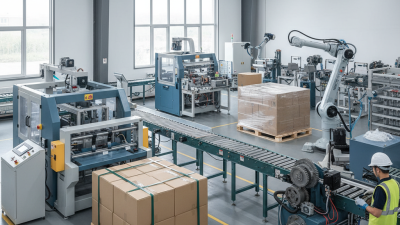
Industrial packaging equipment plays a crucial role in various manufacturing and distribution sectors. Choosing the right equipment can significantly improve efficiency and safety. This article highlights the top ten industrial packaging equipment that every business should consider.
Understanding the complexities of packaging can be daunting. Many companies overlook the importance of selecting appropriate machinery. This oversight can lead to increased costs and decreased productivity. From automatic stretch wrappers to specialized labelers, each type of equipment serves a unique purpose. Reliability and effectiveness are key factors when evaluating these tools.
When it comes to industrial packaging, staying updated is vital. As technology evolves, so do the options available. Businesses must adapt to changing demands and innovations. This journey can be challenging, as not all equipment is created equal. However, understanding the landscape can empower decision-making. The right industrial packaging equipment can significantly enhance overall operations, driving success in a competitive market.
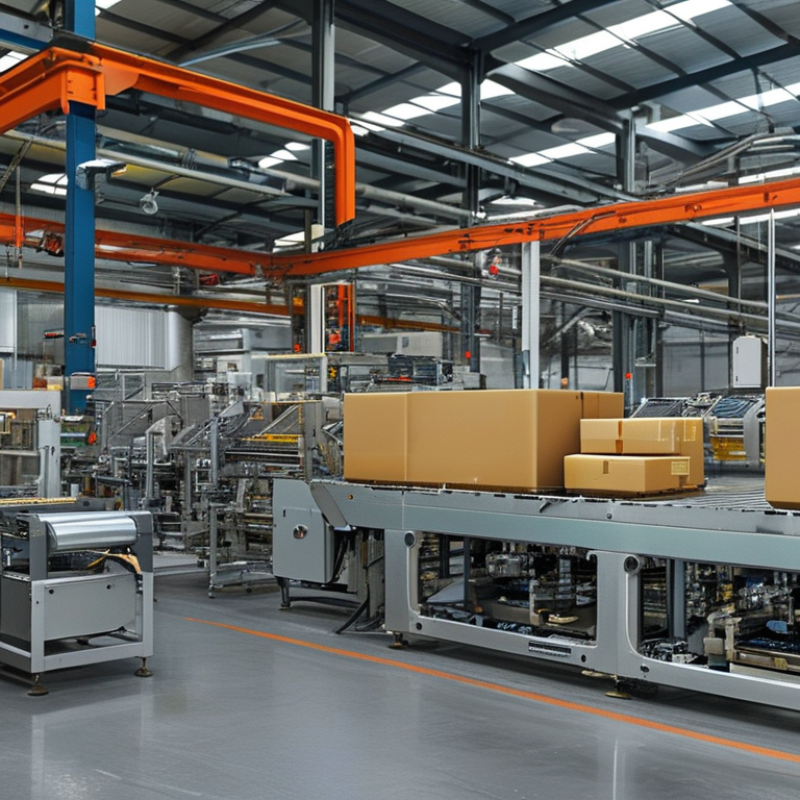
Table of Contents
[Hide]
Essential Features of Industrial Packaging Equipment
When considering industrial packaging equipment, certain features are crucial. The versatility of the machinery is essential. It should handle various materials and product sizes. A solution that adapts to your specific needs can prevent future headaches. An adaptable system may cost more upfront, but it saves money long-term.
Another important feature is automation. Automated equipment reduces labor costs and streamlines production. It ensures consistency in packaging, which enhances product integrity. While some companies may hesitate to invest in automation, the efficiency gained often outweighs the initial expense.
Ease of operation and maintenance cannot be overlooked. Operators need intuitive controls and clear instructions. Complicated machinery can lead to mistakes. Maintenance procedures should be simple to follow, promoting a smooth workflow. Reflecting on equipment reliability is vital, as breakdowns can halt production and create bottlenecks.
Top 10 Industrial Packaging Equipment You Need to Know About
| Equipment Type | Key Features | Applications | Benefits |
|---|---|---|---|
| Automated Stretch Wrappers | Adjustable stretch tension, automatic film cutting | Pallet wrapping for shipment | Improved load stability, reduced labor costs |
| Case Sealers | Top and bottom sealing, adjustable height | Packaging boxes for shipping | Increased efficiency, consistent sealing strength |
| Labeling Machines | Automatic label application, barcode scanning | Product labeling for retail | Enhanced traceability, reduced labeling errors |
| Filling Machines | Variety of filling options, automatic adjustments | Beverages, chemicals, and food products | Increased production speed, consistent fill volumes |
| Strapping Machines | Automatic strapping, adjustable strap tension | Securing packages for shipment | Improved package security, reduced manual labor |
| Carton Erectors | Automatic carton forming, adjustable size | Preparing boxes for filling | Enhanced packaging efficiency, reduced labor costs |
| Shrink Wrapping Machines | Heat tunnels, adjustable temperature and speed | Bundle packaging for various products | Improved product protection, attractive display |
| Palletizers | Robotic or conventional pallet stacking | Automated stacking of boxes on pallets | Higher throughput, reduced workplace injuries |
| Material Handling Systems | Conveyor belts, automated guided vehicles | Transporting materials within a facility | Increased operational efficiency, reduced manual handling |
| Wrapping Machines | Various wrapping styles, speed controls | Wrapping individual products or pallets | Cost-effective packaging, product protection |
Related Posts
-
How to Choose the Right Industrial Packaging Equipment for Your Business
-

Top 10 Industrial Packaging Equipment Solutions for Efficient Operations
-
2026 Best Packaging Equipment Systems for Efficient Production?
-
What is Industrial Food Packaging Machines and Their Importance?
-
Top 10 Industrial Packaging Equipment Options for Efficient Operations
-
What is Packing Equipment and How Does It Work?