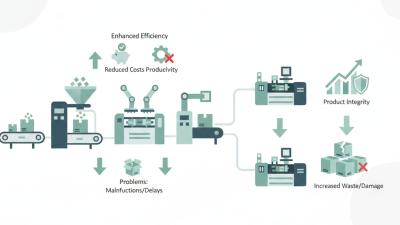
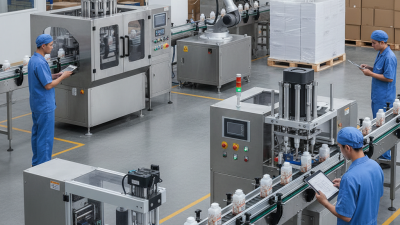
Top 10 Packing Equipment Suppliers in China You Should Know?
In the dynamic world of manufacturing, packing equipment plays a crucial role in ensuring the efficiency and safety of product handling. Selecting the right suppliers is essential for companies aiming to optimize their packaging processes. China, known for its robust manufacturing landscape, offers a plethora of packing equipment suppliers. Each one presents unique strengths and specializations.
Understanding the top packing equipment suppliers in China can greatly enhance your procurement strategy. It's not just about finding affordable options; reliability and quality are essential. Many businesses have specific needs that often get lost in a sea of choices. By evaluating various suppliers, companies can find partners who align with their production goals and standards.
However, navigating this landscape isn't always easy. Some suppliers may promise more than they can deliver. It's crucial to conduct thorough research to avoid potential pitfalls. By focusing on reputable suppliers, businesses can build strong foundations for their packing operations, ensuring they remain competitive in today's market.
Overview of the Packing Equipment Industry in China
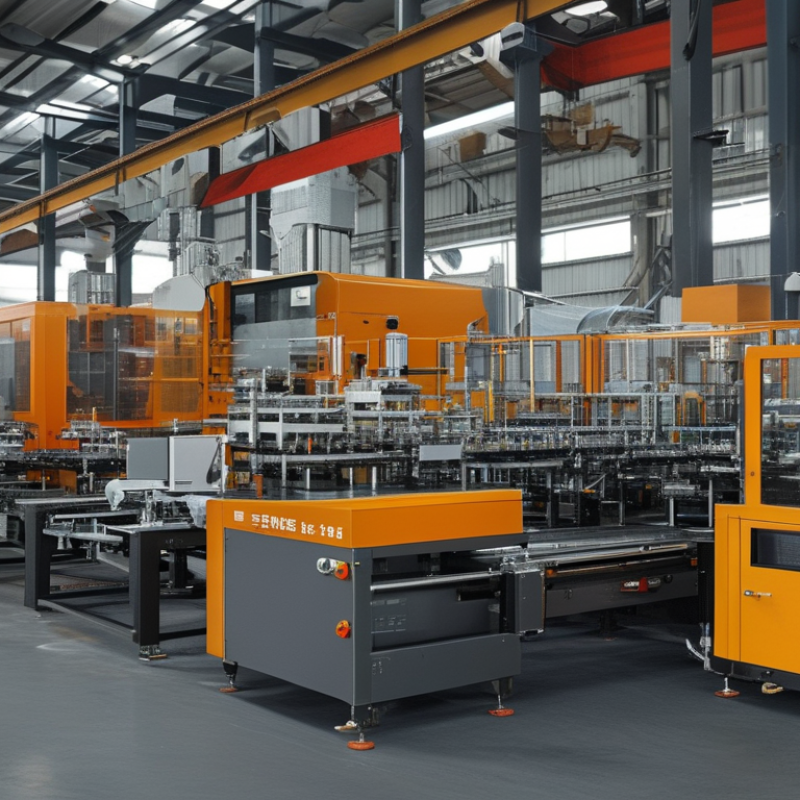
The packing equipment industry in China has experienced substantial growth over the past decade. In 2022, the market size reached approximately $50 billion, with an expected CAGR of around 7% through 2028. This growth is driven by the rise of e-commerce and increased demand across sectors like food and pharmaceuticals. Traditional packaging methods are evolving. Modern automation is becoming essential for efficiency.
Investors in this industry should focus on innovation and sustainability. Reports indicate that sustainable practices could reduce costs by 15% and attract eco-conscious customers. However, not all companies are adapting quickly. Those that resist change may fall behind, especially with growing competition. Embracing advanced materials and intelligent technology allows firms to streamline operations while minimizing waste.
Understanding local regulations is equally important. Companies that navigate compliance efficiently can avoid costly fines and delays. Training employees on new technologies should not be overlooked. Challenges exist, but on the path to modernization, improvement is possible. Balance innovation with practical application to stay relevant in this dynamic landscape.
Criteria for Selecting Top Packing Equipment Suppliers
Selecting the right packing equipment supplier is crucial for efficiency and productivity. Companies should focus on a few key criteria to make informed decisions. First, assess the supplier's industry experience. A supplier with a long track record offers reliability. According to industry reports, suppliers with over ten years in business have a higher success rate in meeting client needs.
It's also important to evaluate product range. A diverse product line indicates the supplier's capability to meet various requirements. Look for suppliers who can provide innovative solutions. A report by MarketsandMarkets shows that companies prioritizing innovation tend to gain a competitive edge in packaging efficiency.
Evaluate customer support and service quality. Fast response times and knowledgeable representatives can make a big difference. Good suppliers often have strong relationships with clients and can provide custom solutions. Companies should engage with potential suppliers to understand their approach. Gathering feedback from existing clients can also offer valuable insights into reliability. Failing to do so might lead to costly mistakes in the long run.
Consider sustainability as a growing concern. Many clients are looking for eco-friendly packaging solutions. Suppliers who prioritize sustainability can help businesses align with modern consumer expectations. Remember, taking time to research is essential. A hasty decision may lead to unforeseen challenges in the future.
Top Packing Equipment Suppliers in China: Key Metrics
List of Leading Packing Equipment Suppliers in China
When exploring the packing equipment industry in China, several key players stand out. The market has been growing steadily, with a report by Industry Research indicating a compound annual growth rate of over 5% in recent years. This growth is largely driven by increasing demand for automation in packaging processes, which enhances efficiency and reduces labor costs.
Leading suppliers in this sector often specialize in various areas such as food processing, pharmaceutical packaging, and e-commerce solutions. The technological advancements these companies adopt, such as smart machinery and eco-friendly materials, ensure they meet the evolving needs of consumers. This transition to sustainable packaging is essential for compliance with international standards.
Paying attention to supplier reliability is crucial. Not all suppliers provide consistent quality or timely delivery. Investing time to evaluate their production capabilities and past performance can save future headaches. Always consider visiting manufacturing sites or requesting samples. This can provide deeper insights into their operational practices and product durability. Ensure to analyze customer feedback as well; it can reveal aspects that reports may overlook.
Innovative Technologies in Packing Equipment
Innovative technologies in packing equipment are rapidly reshaping the industry landscape. Automation is at the forefront, enabling manufacturers to enhance efficiency. According to a 2023 report from a leading market research firm, the global packing automation market is projected to grow by 6.2% annually, reflecting the rising demand for smarter solutions. Advanced robotics and AI-driven systems are streamlining processes like packing, sorting, and even quality control. This allows for more accurate operations, reducing human error and costs.
Another significant innovation involves sustainable materials and eco-friendly designs. A survey conducted by an environmental organization indicated that 73% of consumers prefer brands that use sustainable packaging. Companies are increasingly investing in biodegradable materials and recyclable options, promoting a circular economy. This shift not only aids in environmental conservation but also aligns with consumer preferences. However, balancing sustainability with cost-effectiveness remains a challenge for many suppliers.
Visual recognition technology also plays a crucial role. It helps in identifying defects in packed products, ensuring high quality for end-users. While the implementation of such technologies shows promise, the initial investment can be a barrier for smaller businesses. As technology continues to evolve, the industry needs to adapt, seeking ways to integrate these innovations affordably and effectively. The journey towards modernization brings both opportunities and challenges that require ongoing evaluation and adjustment.
Future Trends in the Packing Equipment Market in China
The packing equipment market in China is evolving rapidly. With increasing demand for automation, many suppliers are focusing on smart technologies. According to a report by Research and Markets, the Chinese packing equipment market is expected to grow at a compound annual growth rate of 6.5% from 2023 to 2028. This growth is driven by advancements in machine learning and IoT applications.
As companies strive for efficiency, customization is becoming essential. More businesses seek tailored solutions for their packaging needs. This trend highlights a shift towards niche markets, which could lead to an increase in specialized suppliers. Future leaders may emerge from sectors focusing on eco-friendly materials, as sustainability continues to gain traction. Still, a reliance on traditional methods may hinder some manufacturers from fully embracing innovation.
The competitive landscape is also changing. Small to medium enterprises (SMEs) are penetrating the market, offering unique, affordable solutions. Larger companies face the challenge of maintaining quality while scaling up production. Balancing cost-effectiveness with high standards requires constant reflection and adaptation. This dynamic environment will shape the future of packing equipment in China.