Top 5 Tips for Choosing Automatic Baler Machine at Canton Fair 2026?
Attending the 2026 Canton Fair offers buyers an excellent opportunity to explore innovative machinery, including the Automatic Baler Machine. As the event showcases advanced manufacturing and machinery, it is crucial to make informed choices. The fair is divided into three phases, helping visitors focus on various sectors. The first phase emphasizes advanced manufacturing, where one can find cutting-edge baler technology.
Navigating a massive exhibition space of 1.55 million square meters can be overwhelming. The introduction of AI tools enhances this experience. Buyers can quickly filter suppliers based on certifications like ISO and CE. This significantly streamlines the selection process for an Automatic Baler Machine. However, even with AI aids, understanding the specific requirements of your business is vital.
Selecting an Automatic Baler Machine should not be rushed. Consider the machine's capacity, efficiency, and compatibility with your production line. In a world where technology evolves rapidly, reflecting on your options becomes essential. Take the time to assess each feature. Ensure that the machine not only meets current needs but also adapts for future demands.
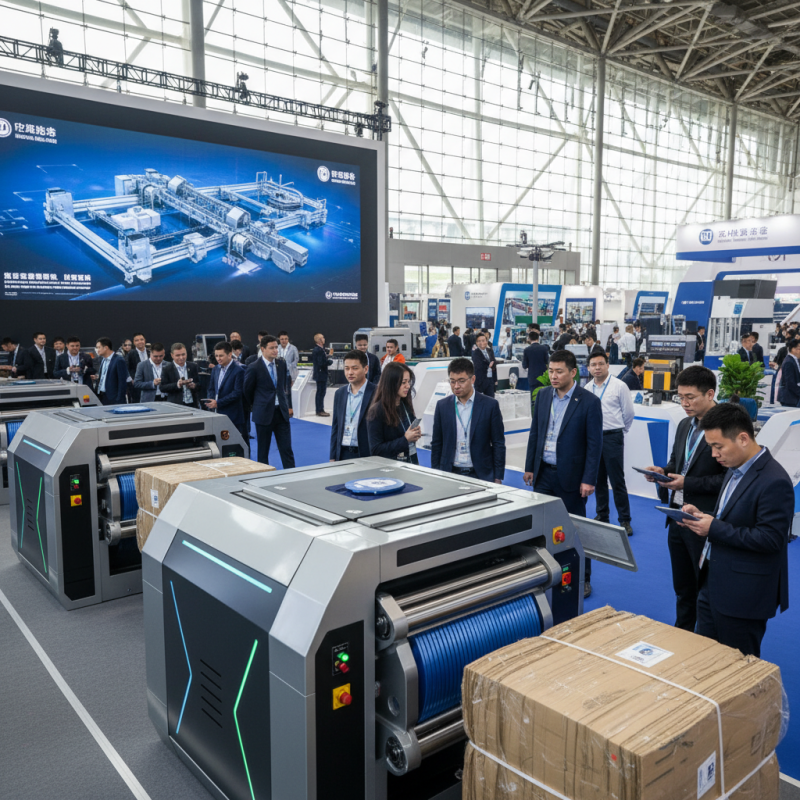
Factors Influencing the Selection of Baler Machine Types at Canton Fair
When selecting a baler machine at Canton Fair, several factors come into play. The size of your operation is crucial. If you run a small facility, a compact baler may be sufficient. Larger businesses might need a high-capacity model. Think about the space you have available. A machine that does not fit well may cause operational difficulties.
Next, consider the types of materials you will be baling. Different machines handle various materials, such as cardboard, plastics, or metal. Some models can process both heavy and lightweight materials with efficiency. This adaptability might save you from needing multiple machines. However, you must ensure that the baler chosen aligns with your primary materials.
Additionally, pay attention to the energy efficiency of the machine. Many models consume a lot of power. This could lead to increased operational costs. Look for details on the energy rating.
Finally, consider the maintenance needs. An easy-to-maintain machine can save time and money. Do not overlook the supplier's support and warranty options. This could reflect the machine's lifespan and reliability.
Understanding Baler Machine Specifications and Their Impact on Efficiency
When choosing an automatic baler machine, it’s crucial to understand its specifications. These characteristics deeply impact efficiency and productivity. For instance, the capacity of the machine defines how much material it can handle at once. A higher capacity often means fewer cycles, saving time and resources. The dimension of bales produced is also important. A precise size can affect transportation and storage.
Attention should be paid to the machine’s speed. A faster baler could enhance productivity, but it might compromise the final product’s quality. Sometimes, a balance is hard to find. It's wise to review how well the machine compresses various materials. Not all machines perform uniformly. You may have to weigh the pros and cons of different settings.
Energy consumption is another specification to consider. Some machines might seem cost-effective upfront but can lead to high operational costs. Look for energy efficiency ratings. Finally, regularly reviewing machine performance is vital. It helps identify any inefficiencies and enhances overall output. Balers are investments. Choosing wisely can lead to long-term benefits and savings.
Top 5 Tips for Choosing Automatic Baler Machine at Canton Fair 2026
| Tip | Specification to Consider | Impact on Efficiency |
| 1. Assess Production Volume | Baler Capacity | Higher capacity machines reduce the number of cycles needed, increasing throughput. |
| 2. Evaluate Material Types | Material Compatibility | Using a baler suited for specific materials minimizes jams and maximizes output quality. |
| 3. Check For Automation Features | Automation Level | High automation reduces labor costs and increases processing speed. |
| 4. Consider Energy Consumption | Power Rating | Lower energy usage leads to cost savings and improved sustainability. |
| 5. Look For Maintenance Needs | Maintenance Frequency | Machines requiring less maintenance lead to fewer production interruptions. |
Evaluating Manufacturer Reputation and Customer Feedback for Quality Machines
When considering an automatic baler machine, manufacturer reputation plays a crucial role. Make sure to read reviews from previous customers. The feedback will give insight into the machine's performance and durability. Are users satisfied with their purchase? Look for common themes in their experiences. This can help you gauge the reliability of the manufacturer.
Tip 1: Research potential manufacturers online. Social media and forums can reveal what others think about their machines. Don't overlook negative feedback; it may highlight issues you hadn't considered.
Tip 2: Ask for references. Reach out to businesses that have used the machines. Their perspective can be invaluable. Discuss both strengths and weaknesses of the equipment they purchased. You need a balanced view to make an informed choice.
Tip 3: Attend product demonstrations at the fair. Experience the machines firsthand. Doing so can help visualize how the baler operates in real-world scenarios. If possible, test the machine's features. Evaluate its efficiency and ease of use. Reflect on how these factors align with your operational needs. This may provoke thoughts on whether you're investing wisely.
Automatic Baler Machine Quality Evaluation at Canton Fair 2026
This chart presents the evaluation of automatic baler machines based on five criteria: Build Quality, Ease of Use, Customer Support, Technology & Features, and Price Competitiveness. Each criterion is rated on a scale from 1 to 10, providing insights into the overall quality and suitability of the machines available at Canton Fair 2026.
Analyzing Cost-Effectiveness: Initial Investment Vs. Long-Term Savings
When considering an automatic baler machine, the initial investment is crucial. The upfront cost can be daunting. However, look beyond that. Evaluate long-term savings to make an informed choice.
Cost-effectiveness often lies in efficiency. Automatic balers can save labor costs. They also reduce waste handling fees. But think about your specific needs. A larger machine may seem better, yet could lead to increased maintenance costs.
Tip: Analyze your production volume. Match the machine size to your output requirements. This can prevent unnecessary expenses. Another essential point is energy consumption. Energy-efficient models may have higher initial costs, yet lead to significant savings on energy bills over time. Reflect on your daily operations. Will the machine handle your workload efficiently?
Identifying Technological Innovations in Automatic Balers for 2026
The Canton Fair 2026 will showcase groundbreaking innovations in automatic baler machines. These machines are essential for efficient waste management. Reports suggest that the global baler market will grow by 5.2% annually. This growth is driven by the increasing demand for eco-friendly solutions.
When choosing an automatic baler, look for advanced features. Some machines now include smart sensors. These sensors optimize operation and reduce energy consumption. A recent study indicates that energy-efficient balers can save up to 30% in operational costs. However, not all manufacturers prioritize energy efficiency. It's crucial to ask specific questions about power usage and waste processing capabilities.
Exploring user feedback globally can reveal hidden issues. Some customers mention that certain models struggle with diverse materials. Balers must process a variety of waste types effectively. If a baler cannot handle different materials, it may lead to operational delays. Always conduct thorough research to ensure the chosen machine meets your specific needs.