The Ultimate Guide to Book Printing Inspection in 2026?
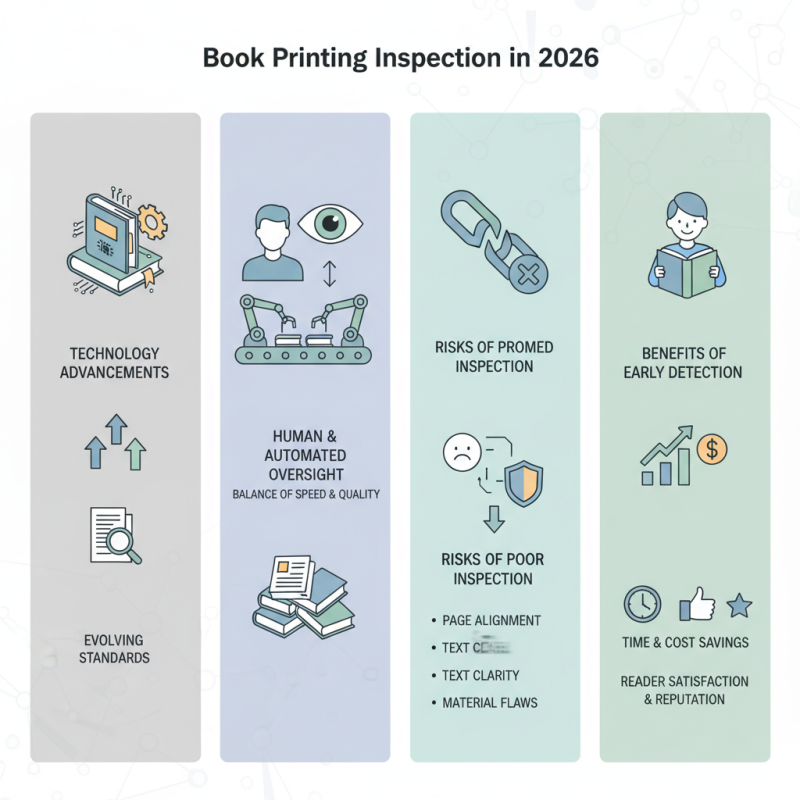
In 2026, the world of publishing faces evolving challenges. Book Printing Inspection remains critical for quality assurance. With advancements in technology, the standards of inspection must adapt. Publishers need to ensure their products meet reader expectations.
While automation streamlines processes, human oversight is still vital. Flaws in printing can lead to reader dissatisfaction. An unproofed book can sully reputation. Rushed inspections can overlook crucial details, like page alignment.
Identifying printing errors early saves time and costs. It's essential to refine inspection methods continually. Striking a balance between speed and quality is the goal. Book printing inspection must evolve to keep pace with growing demands.
Understanding the Book Printing Process: Key Stages and Quality Control
Understanding the book printing process is essential for quality control. There are several key stages that every print job goes through. It starts with pre-press, where designs are prepared. Design files are checked thoroughly to avoid mistakes, but sometimes issues arise. Missing elements can lead to delays or additional costs.
During the printing phase, monitoring is crucial. The printer must keep a close eye on color accuracy and alignment. Printing errors happen, even in top facilities. These mistakes can affect the final product. Inspecting samples from each batch is a good practice. It helps identify problems early.
Tips: Always perform a press check. Look for inconsistencies in color and quality. Remember, not every printed book will be perfect. Set realistic expectations and be prepared for some surprises. Keep open communication with your printing team to address any issues promptly. This can save time and resources.
The Ultimate Guide to Book Printing Inspection in 2026
| Stage of Printing Process | Quality Control Measure | Inspection Tools | Frequency of Inspection | Common Issues Detected |
| Pre-Press | File Review and Corrections | PDF Proofing | One-time | Color Calibration Errors |
| Printing | Visual and Density Checks | Color Meter | Every 1000 impressions | Inconsistent Color |
| Binding | Strength and Alignment Tests | Binding Tester | Every 200 units | Weak Bindings |
| Finishing | Surface Quality Inspection | Surface Gloss Meter | Daily | Scratches and Marks |
| Packing | Final Inspection for Quantity and Damage | Visual Inspection Tools | Every batch | Incorrect Quantity |
The Importance of Book Printing Inspection: Why It Matters in 2026
In 2026, book printing inspection has never been more critical. Recent studies indicate that quality issues can cost publishers over $75,000 annually. Imagine a book that arrives with misaligned pages or faded colors. Such defects can significantly impact sales and brand reputation. Publishers must prioritize quality to avoid these pitfalls.
Quality assurance processes must adapt to the rapid changes in technology. Automated inspection systems can identify defects faster than ever before. Yet, reliance on technology alone is risky. Human oversight is still essential to catch subtle errors that machines might miss. A survey found that 30% of companies still report issues that went unnoticed during the automated check.
The reader's experience hinges on quality. A poorly printed book can lead to negative reviews. In fact, 70% of readers claim they won't buy from an author again after receiving a defective book. These statistics underscore the importance of rigorous inspection. Failing to prioritize book printing inspection could lead to significant losses in the competitive publishing landscape of 2026.
Common Printing Defects: How to Identify and Address Them
In 2026, identifying and addressing common printing defects is crucial for quality assurance in the book printing industry. Printing defects can occur at various stages. Issues such as color inconsistency, misalignment, and ink smudges are prevalent. A study from the Printing Industries of America shows that up to 30% of print runs experience some form of defect. This statistic emphasizes the importance of thorough inspection.
To spot these defects, a keen eye is necessary. Color variation can be detected with color matching tools. Misalignment can be seen when pages do not align correctly. Ink smudges appear when moisture interacts with freshly printed pages. Regular inspections should take place throughout the printing process. Relying on automated inspections alone can lead to oversights. Manual checks often reveal defects that machines might miss.
Investing time in inspection can save resources. The typical cost of reprints due to errors can exceed 15% of total printing expenses, as per recent industry reports. Many printers underestimate the impact of small defects. Even minor issues can affect customer perception and satisfaction. Addressing these problems proactively helps maintain high standards in book printing.
Inspection Tools and Techniques: What You Need for Effective Quality Control
In 2026, book printing inspection will evolve significantly. Quality control is paramount in maintaining standards. According to industry reports, about 15% of printed materials fail to meet quality benchmarks. This highlights the need for robust inspection methodologies.
Effective quality control relies on advanced inspection tools. Technologies such as digital scanning and AI-driven analysis enhance accuracy. Studies show that implementing these tools can reduce defects by up to 35%. Print flaws, like color mismatches or misalignments, directly impact customer satisfaction. Inspectors need not just tools but also knowledge and skill to identify subtle issues.
Training staff on new techniques is essential. Continuous education on the latest tools can increase efficiency. Yet, many companies underinvest in training. Reports indicate that only 40% of businesses prioritize upskilling their teams. A skilled workforce can catch problems before they escalate, saving time and resources. Reflecting on these aspects is crucial for improving overall inspection processes.
Future Trends in Book Printing Inspection: Innovations to Watch For
As the book printing industry evolves, inspection processes will also undergo significant changes in 2026. Innovations in technology will play a critical role. Automated systems equipped with artificial intelligence will enhance accuracy. These systems could reduce human error significantly. They will monitor print quality in real time, ensuring high standards consistently.
Additionally, the integration of augmented reality might redefine inspections. Operators could wear AR glasses that overlay data on printed materials. This technology allows for a more interactive and immediate analysis. However, it raises questions about reliance on technology. What if the systems fail? This uncertainty prompts a need for balance between automated and human inspections.
Sustainability is another aspect gaining traction. Eco-friendly practices will influence inspection methods. Materials used must align with environmental goals. Yet, the challenge lies in maintaining quality while prioritizing green initiatives. Inspectors may struggle to find the right balance. The journey towards improvement involves constant reflection and adaptation.