

The Duravant family of operating companies serve the food processing, packaging and material handling segments.















Why Choose a Home Textile Quilting Machine?
Choosing a Home Textile Quilting Machine can change how fabric, thread, and time work together. Instead of sending every project to a commercial service, makers can quilt blankets, cushion covers, wall hangings, and small household textiles at home. The machine brings the work closer. You can feel the fabric’s weight, adjust the stitch length, and inspect each seam under direct light.
Angela Walters, a respected quilting educator and machine-quilting expert, often reminds quilters, “There are no rules in quilting.” That idea matters here. A suitable Home Textile Quilting Machine should support personal methods, not force every project into one rigid process. Features such as adjustable speed, a generous throat space, clear tension controls, and a stable frame can make a visible difference. A heavy quilt needs room to move. Delicate cotton may need gentler handling.
The practical benefits are clear. Home production can reduce outside service costs and shorten waiting times. It also allows immediate corrections when a pattern looks uneven. Small mistakes remain possible. They should.
A beginner may choose too much power or overlook maintenance. Thread buildup, poor needle selection, and incorrect tension can spoil an otherwise careful project. This is why machine choice requires more than comparing prices. Consider workspace, project size, noise, learning time, and after-sales support. The right Home Textile Quilting Machine does not promise effortless results. It offers control, repeatability, and room to improve. That balance makes home quilting both useful and deeply personal.
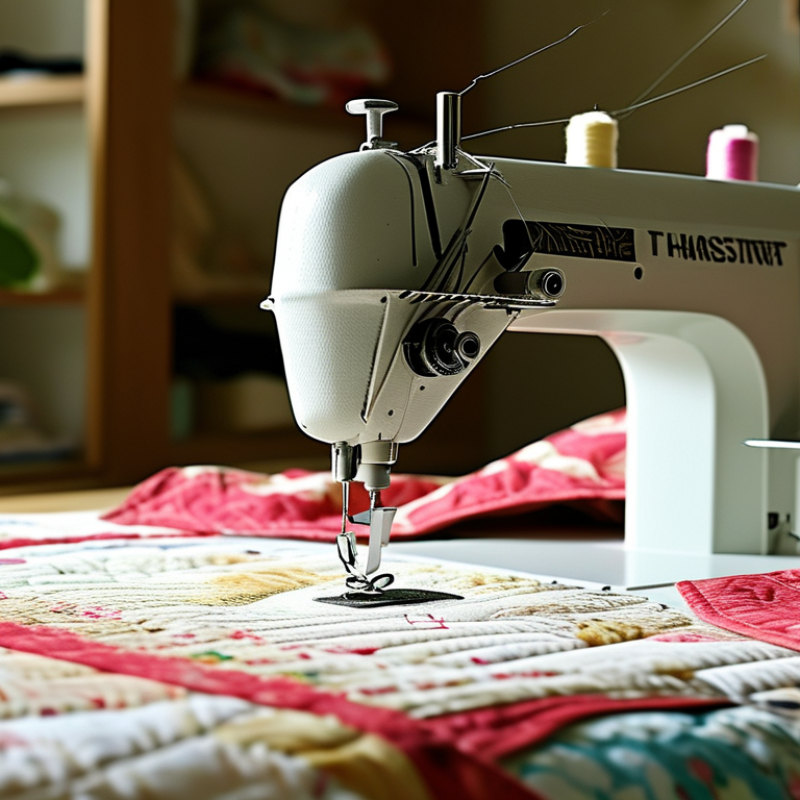
Table of Contents [Hide]
What a Home Textile Quilting Machine Is and How It Works
Why Choose a Home Textile Quilting Machine?
A home textile quilting machine joins three layers: fabric, batting, and backing. Its needle carries thread through these layers. Each stitch holds the materials together while creating a durable surface pattern. Unlike hand quilting, the machine controls stitch length, fabric movement, and thread tension more consistently. Some models use a feed system beneath the fabric, while others let the user guide the quilt manually. The working area matters because thick quilts need enough space to move without folding.
In practical use, I begin with a small test sandwich. This reveals whether the thread pulls, the batting shifts, or the needle leaves oversized holes. A steady speed usually produces cleaner lines. Lowering the presser foot also helps prevent uneven feeding. Many machines support straight lines, gentle curves, and programmed patterns. However, automatic settings are not always perfect. Fabric thickness, humidity, and thread type can change the result. I have found that a slightly longer stitch often suits dense batting better, but delicate materials may need closer stitches.
A home machine can make quilting more manageable in a limited workspace. It supports cushions, table runners, blankets, and layered textile panels. Before choosing one, check throat space, needle control, adjustable speed, and maintenance access. Clear instructions and replaceable needles also improve reliability. The learning curve remains real. Keep practicing. Avaliable test samples, careful measurements, and regular cleaning help users build dependable results over time.
Why Choose a Home Textile Quilting Machine? - What a Home Textile Quilting Machine Is and How It Works
| Dimension | What It Means | Typical Home-Use Information | Why It Matters |
|---|---|---|---|
| Basic definition | A sewing machine configured for joining fabric layers with quilting stitches. | It may be a domestic sewing machine with quilting accessories or a dedicated home quilting machine. | It allows quilting work to be completed at home without industrial-scale equipment. |
| Main quilting structure | Quilting secures multiple textile layers together. | The standard quilt sandwich consists of a quilt top, batting or wadding, and a backing fabric. | Understanding the layers helps users choose suitable needles, thread, presser feet, and stitch settings. |
| How the stitch forms | The needle carries the upper thread through the fabric while the bobbin supplies the lower thread. | The upper and bobbin threads interlock to create a lockstitch, which holds the layers together. | Balanced upper-thread tension and bobbin tension help prevent loose loops and puckering. |
| Fabric feeding | Feed mechanisms move the fabric under the needle during stitching. | A walking foot helps feed several layers more evenly; free-motion quilting uses a lowered or covered feed-dog system and user-guided fabric movement. | Appropriate fabric control reduces shifting between the quilt top, batting, and backing. |
| Common stitch type | The stitch pattern determines the appearance and holding strength of the quilt. | Straight stitching is widely used for patchwork and walking-foot quilting; decorative and free-motion stitches are also common. | Different stitch types support both functional construction and surface decoration. |
| Typical stitch length | Stitch length is the distance between consecutive needle penetrations. | A straight quilting stitch commonly starts around 2.5–3.0 mm, with adjustments based on fabric, batting, thread, and design. | A suitable length helps maintain secure seams without creating excessive perforation or thread buildup. |
| Needle selection | The needle must suit the fabric weight and thread size. | Universal or quilting needles in approximately 75/11 to 90/14 sizes are commonly used for light- to medium-weight cotton layers; thicker projects may require a larger needle. | The correct needle reduces skipped stitches, thread breakage, fabric damage, and uneven holes. |
| Thread requirements | Thread weight and fiber influence stitch strength and appearance. | All-purpose polyester or cotton thread is commonly used; the upper and bobbin threads should be compatible in weight and tension. | Compatible thread reduces lint, breakage, tension problems, and visible inconsistency. |
| Throat space | Throat space is the area between the needle and the machine body. | Home machines generally have less workspace than long-arm quilting systems, so large quilts may need to be rolled or repositioned. | More available space makes it easier to manage bulky quilt sections and long quilting lines. |
| Speed control | Speed control determines how quickly the needle cycles. | A foot controller or adjustable speed setting enables slow stitching for corners and detailed free-motion work. | Controlled speed improves accuracy and makes the machine easier for beginners to handle. |
| Suitable materials | Material compatibility depends on machine clearance, needle system, and motor capacity. | Cotton, linen blends, lightweight denim, flannel, fleece, and selected batting materials may be suitable when the machine settings are adjusted correctly. | Testing on fabric scraps helps confirm feeding, tension, and needle compatibility before sewing the final project. |
| Typical applications | Home quilting machines support both decorative and practical textile projects. | Common projects include bed quilts, wall hangings, table runners, placemats, cushions, bags, baby quilts, and quilted garments. | A single machine can support household textiles, gifts, repairs, and creative projects. |
| Main advantages | The machine combines controlled stitching with home-scale flexibility. | Key benefits include lower space requirements than industrial equipment, adjustable stitch settings, reusable operation, and the ability to customize patterns and materials. | These features make home quilting practical for personal production and small projects. |
| Common limitations | Home machines have physical and operational limits. | Very thick layers, oversized quilts, continuous high-speed use, and highly specialized patterns may require a larger or specialized machine. | Knowing the limits helps prevent motor strain, uneven feeding, needle damage, and unnecessary fabric waste. |
| Basic operating sequence | Quilting follows a series of preparation and stitching steps. | Prepare the quilt sandwich, insert the correct needle, thread the upper path, load the bobbin, select the presser foot, test tension, and stitch while guiding the layers. | A consistent setup improves stitch quality and reduces troubleshooting during the project. |
| Maintenance | Routine care keeps the machine operating smoothly. | Remove lint from the bobbin area, change damaged or dull needles, keep the machine covered, and follow the equipment manual for lubrication and service intervals. | Regular maintenance supports reliable feeding, stable tension, and longer service life. |
Note: Specifications and suitable settings vary by machine design, fabric thickness, batting type, needle, and thread. Always test the chosen combination on a fabric sample first.