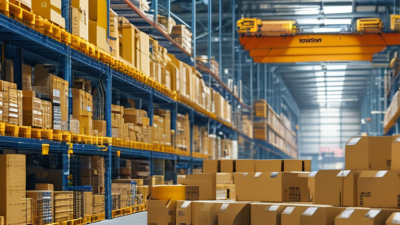
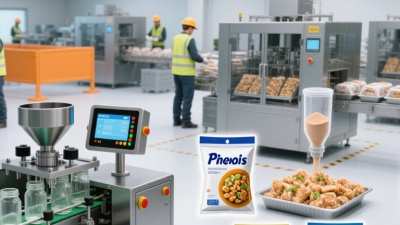
The Duravant family of operating companies serve the food processing, packaging and material handling segments.

China has become a major manufacturing base for food packaging equipment, serving both domestic producers and international food brands. Its supplier landscape includes specialists in filling, sealing, labeling, vacuum packing, cartoning, and complete production lines.
A useful evaluation cannot rely on website claims alone. Factory visits, machine demonstrations, and verified customer references reveal much more. Watch a sealing machine handle real pouches at production speed. Check whether the film tracks smoothly, the seals remain even, and operators can clean contact surfaces without hidden gaps. These details often determine long-term performance.
Walter Soroka, a respected packaging educator, wrote, “Packaging is the science, art, and technology of enclosing and protecting products for distribution, storage, sale, and use.” His words remain relevant when comparing Chinese suppliers. Good equipment must protect food, maintain consistent output, reduce waste, and support practical plant operations.
This guide examines China’s leading food packaging equipment suppliers through technical capability, hygienic design, automation, customization, delivery experience, and after-sales support. It also considers certification documentation, spare-parts availability, training, and response times. A low purchase price may look attractive, yet difficult maintenance can quietly increase operating costs.
No supplier is perfect. Some manufacturers excel at compact machines but lack global service networks. Others offer advanced automation but require skilled technicians. Buyers should question impressive specifications and request evidence from comparable applications. The strongest choice is not always the largest company. It is the supplier that consistently matches the product, packaging material, factory space, and production target.
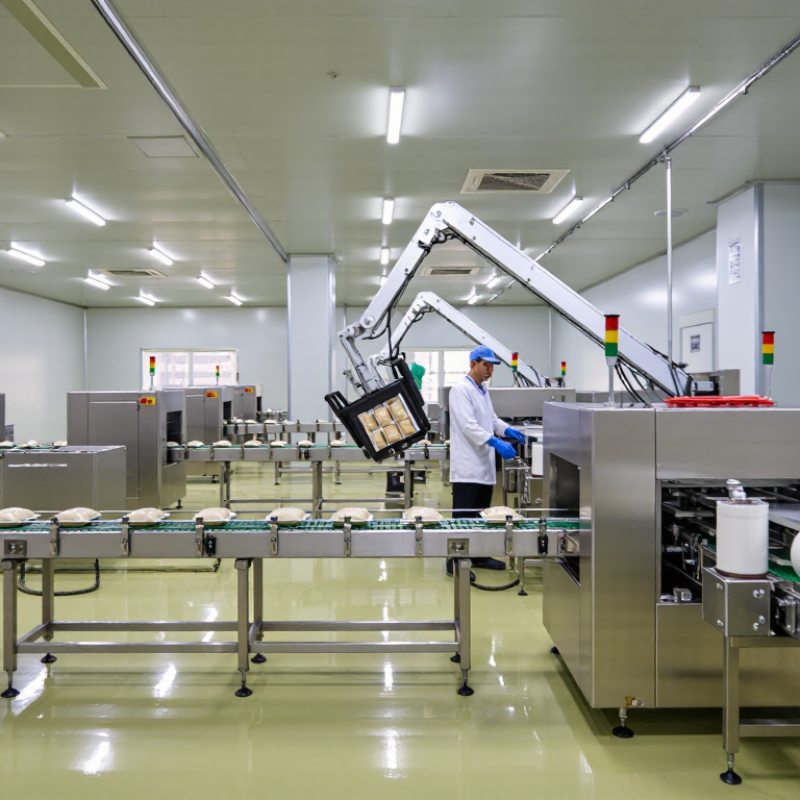
In China, food packaging equipment suppliers are companies that design, produce, integrate, and support machines for food producers. They may provide filling, sealing, labeling, weighing, coding, or end-of-line packing systems. Their role is broader than selling a machine. A capable supplier studies the product, packaging material, output target, hygiene needs, and factory space before proposing equipment. This prevents a shiny machine from becoming an expensive bottleneck.
Reliable suppliers connect mechanical engineering with food safety practice. They should explain contact-material choices, cleaning access, guarding, electrical standards, and production testing in clear language. Factory acceptance tests can check speed, seal strength, weight accuracy, changeover time, and reject performance. Operators also need training, spare parts, manuals, and responsive technical support after installation. In real projects, small details matter. A poorly placed sensor can stop an entire line.
When comparing China’s top suppliers, buyers should inspect documented experience with similar foods and packaging formats. Ask for sample runs using your film, trays, products, and actual production settings. Independent audits and transparent warranty terms improve trust. Still, no supplier gets every project right. Specifications may change after testing, and early assumptions can prove wrong. The most dependable partner records these issues, corrects them openly, and measures improvement instead of hiding delays. That practical honesty often matters more than a low quotation.
China’s food packaging equipment suppliers produce machines for many processing environments. Their main types include filling machines, sealing machines, vacuum packers, and modified-atmosphere packaging systems. These machines handle sauces, oils, powders, snacks, meat, and prepared meals.
Vertical and horizontal form-fill-seal machines create bags from film rolls. They measure products, form packages, and close them with heat. Premade pouch machines use suction cups, grippers, and sealing jaws. For rigid containers, filling and capping lines control liquid volume with pumps or flow meters. Small details matter. A dripping nozzle can waste product and stain the sealing area.
Inspection equipment adds another layer of control. Checkweighers remove underweight packs, while metal detectors and vision systems identify certain quality problems. Labeling machines apply information to bottles, jars, trays, and cartons. Cartoning, case packing, and palletizing equipment reduce manual handling after primary packaging. I have found that simple lines can be easier to maintain than highly automated systems. Automation is not always perfection.
Reliable suppliers usually provide test videos, material-contact documentation, electrical specifications, and spare-parts guidance. Buyers should request samples using their actual product, film, and container. A machine may perform well with dry powder but struggle with sticky seasoning. Cleaning access, changeover time, noise, and operator training also deserve attention. Specifications can look impressive, yet factory-floor performance tells the truth.
China’s packaging machinery industry is concentrated in several practical manufacturing regions. Guangdong is strong in beverage, food, and flexible-packaging equipment. Workshops around Guangzhou, Foshan, and Dongguan often build filling lines, sealing machines, labeling units, and automatic inspection systems. Jiangsu has deeper capabilities in large production lines, stainless-steel fabrication, and integrated conveying systems. Cities near Suzhou and Wuxi support food processors that need stable, high-speed equipment.
Zhejiang is known for compact machines used by medium-sized factories. Its manufacturers commonly produce pouch packers, vacuum sealers, coding machines, and weighing systems. Shandong also deserves attention, especially for grain, flour, meat, and agricultural food applications. Shanghai serves as a useful engineering and export center, connecting suppliers with testing laboratories, logistics networks, and technical contractors. The equipment may look similar online, but internal quality can differ greatly. Ask for material certificates, line-speed test videos, electrical drawings, and records from comparable installations. Visit the workshop when possible. Look closely at welds, guarding, cable routing, and cleaning access. Small details matter.
A regional map is never perfect. Some capable suppliers operate outside famous hubs, while some factories outsource critical components. This is easy to miss. Buyers should compare total operating costs, spare-parts response, local service coverage, and food-contact compliance. A lower quotation may hide slower changeovers or difficult maintenance. Practical trials with the actual product, package film, and filling weight reveal more than polished brochures. Testing should include start-up, stoppage, cleaning, and repeated production cycles.
| Key Region | Representative Manufacturing Hubs | Main Equipment Categories | Typical Food Packaging Applications | Regional Manufacturing Strengths | Common Technology Features |
|---|---|---|---|---|---|
| Zhejiang | Ruian, Wenzhou, Ningbo, Hangzhou | Vertical and horizontal form-fill-seal machines, sachet machines, pouch equipment, wrapping machines, labeling systems | Snacks, powders, granules, sauces, condiments, frozen foods and ready-to-eat products | One of China’s most established packaging-machinery clusters, with a broad supplier base and strong machining capabilities | Multi-lane filling, servo-driven motion control, automatic film tracking and modular pouch formats |
| Guangdong | Foshan, Guangzhou, Dongguan, Shenzhen | Tray sealers, vacuum packaging machines, flow wrappers, thermoforming lines, filling and sealing systems | Fresh food, meat, seafood, bakery goods, prepared meals, beverages and retail snacks | Strong electronics, automation and manufacturing supply chains, supported by major domestic food-processing markets | Integrated PLC controls, vision inspection, robotic loading, modified-atmosphere packaging and high-speed production lines |
| Jiangsu | Suzhou, Kunshan, Nantong, Wuxi | Cartoning machines, case packers, palletizers, end-of-line systems, liquid filling equipment and integrated packaging lines | Dairy products, beverages, processed foods, sauces, edible oils and large-scale food manufacturing | Strong industrial engineering base and close access to the Yangtze River Delta food and manufacturing market | Automated material handling, conveyor integration, robotic case packing and high-throughput line design |
| Shanghai | Shanghai metropolitan manufacturing area | Complete packaging lines, inspection systems, filling equipment, labeling machines and automation solutions | Beverages, dairy, pharmaceuticals, premium foods and multinational-standard production facilities | Access to advanced engineering services, testing resources, international logistics and sophisticated end users | Digital monitoring, traceability, hygienic design, data collection and integration with plant-level automation |
| Shandong | Qingdao, Jinan, Yantai | Vacuum packers, meat-processing packaging systems, sealing machines, weighing systems and filling equipment | Meat, seafood, agricultural products, grains, frozen foods and processed food products | Large agricultural and food-processing base with established cold-chain and export logistics connections | Vacuum sealing, chilled-food handling, weighing accuracy, stainless-steel construction and washdown-friendly layouts |
| Fujian | Quanzhou, Xiamen, Fuzhou | Pouch packaging machines, snack-packaging systems, sealing equipment, coding machines and compact filling lines | Tea, confectionery, seafood, snacks, sauces, instant foods and dry products | Strong food-processing and export-oriented manufacturing activity, particularly for consumer packaged foods | Flexible changeover, compact footprints, date coding, zipper-pouch compatibility and small-to-medium batch production |
| Beijing and Northern China | Beijing, Tianjin, Hebei and surrounding industrial areas | Industrial weighing, filling, inspection, coding, secondary packaging and customized automation systems | Grains, dairy, beverages, institutional food production and large-scale food-processing operations | Proximity to major domestic consumers, research institutions, industrial customers and northern logistics networks | Customized engineering, weighing and dosing control, quality inspection and integration with automated production lines |
Note: Regional capabilities overlap, and individual equipment specifications vary by supplier, production scale, food product, packaging material and required automation level.
Choosing a Chinese food packaging equipment supplier requires more than comparing factory prices. Start with the product’s actual conditions: powder, liquid, sticky sauce, fragile snack, or chilled food. Ask for videos using materials similar to yours. A clean demonstration is useful, but a controlled showroom test can hide production problems. Request a sample run with your film, product, speed target, and sealing requirements. Record output, reject rate, changeover time, and cleaning steps.
Evaluate engineering depth through specific documents. Reliable suppliers should provide machine drawings, electrical specifications, spare-parts lists, and a clear acceptance plan. Check whether contact surfaces use suitable food-grade materials and whether the design supports sanitation. Ask how operators access corners, seals, hoppers, and conveyors. Small details matter. A difficult-to-clean frame may create downtime and quality risks. Confirm testing procedures, calibration records, safety protections, and training support. Independent certification can strengthen trust, but certificates should match the exact model, not a similar machine.
Visit the workshop if possible. Observe machining, wiring, assembly quality, and final inspection. Speak with recent customers about delivery accuracy, response time, and repairs after installation. Do not rely only on polished references. Ask for weaknesses too. A supplier that explains limits sounds more credible than one promising perfect performance. Compare total ownership cost, including utilities, film waste, maintenance, spare parts, and technician travel. Put every promise into the contract, including capacity tolerance and response times. One successful test cannot predict every shift, product change, or seasonal pressure.
What Are China Top Food Packaging Equipment Suppliers?
Industry Trends Shaping China’s Food Packaging Equipment Market
China’s leading food packaging equipment suppliers are no longer judged by machine speed alone. Buyers now examine hygiene design, stable output, energy use, and technical support. A reliable supplier can explain sealing temperature, film tension, filling accuracy, and cleaning procedures clearly. That practical knowledge matters during factory trials.
Automation is reshaping the market. Vision inspection, servo-driven systems, and digital production records are becoming common. These tools help reduce waste and identify sealing defects before products leave the line. Flexible equipment is also gaining attention. Many food producers need quick changeovers for different pouch sizes, tray formats, and portion weights. Smaller workshops are asking for modular systems instead of oversized production lines.
Energy efficiency is another strong trend. New equipment often uses smarter motors, shorter heating cycles, and compressed-air monitoring. Food safety expectations are rising, especially for export-oriented manufacturers. Suppliers must provide traceable components, suitable contact materials, and documented testing procedures. After-sales service is equally important. Remote diagnostics can reduce downtime, but local technicians still matter when a sensor fails at midnight.
Not every polished machine performs well.
A careful buyer should inspect a live production line, not only a showroom sample. Ask for changeover records, maintenance schedules, and realistic output data. Some suppliers still describe ideal conditions too confidently. That weakness deserves attention. The best purchasing decision usually combines engineering evidence, operator feedback, and a clear understanding of future production needs.
China’s food packaging equipment market is increasingly shaped by automation, flexible production, smart manufacturing, sustainability, and stricter food-safety requirements. These trend scores represent relative industry priorities rather than company-specific market shares.